5 Essential Tips for First-Time Homebuyers
October 27, 2026
Introduction
Purchasing your first home is an exciting moment, but it is also one that you will have a number of decisions to make. With the first-time buyer in mind, there are a number of factors to consider before making a purchase, aside from the asking price. First-time buyers need to look at much more than the asking price when considering buying a property, from choosing the right neighborhood to understanding the property documents.
There is always a home that will suit you, your lifestyle, your finances and your future. It may seem like a dream come true during a viewing, but if it’s a long drive to work, the maintenance bills are too expensive or there are major repairs that weren’t discovered, it might not be as attractive as it first appears.
Fortunately, if you’re prepared, the process can be a bit easier. You can make a better decision by determining your needs, saving for initial costs, researching your local area housing market, checking legal documents, and planning for the first year of home ownership.
The following 5 tips are for first time homebuyers to help you prepare and avoid common pitfalls on the way to home ownership.
Before purchasing a home, it is important to have a clear understanding of what you are looking for. The first step to buying a home is to understand your needs.
When looking for property listings or arranging an inspection, determine the property the first home you need. Without direction you can easily get sidetracked and go for a good deal that doesn’t really fit your lifestyle or budget.
First, think about your current situation, and how it might evolve over the next few years. A single buyer, for instance, might want to purchase a smaller home that is conveniently situated near his job, whereas a family might require more bedrooms, yard space, or schools.
Make 2 lists: Must have features and nice to have features.
- These are some of the elements that are essential for:
- A place of reasonable traveling distance.
- Sufficient number of bedrooms and living area for family members.
- An affordable property.
- Access to electricity and water and other key services are reliable.
- A configuration which is appropriate for your mobility and daily movements.
A community with the safety and lifestyle needs that you are looking for.
Better features may come in the form of a spacious garden, a walk-in wardrobe, a top-of-the-range kitchen or a bonus entertainment room. These are nice to have but not “must have” considerations.
Choose your location as carefully as you select your property
A house is more than its walls and rooms. Your daily life, how you get around, and your overall happiness can be affected by the area you live in.
Research local shops, health care providers, schools, public transit and highways. Check the area during various times of the day to gauge traffic, noise, parking and activity.
Flooding risk should also be investigated, and local development plans and access to essential services should be researched if applicable.
A useful tip is to make a list of the top 5 most vital features of a home before you view a house. Check this list when evaluating properties objectively, rather than on a first impression basis.
2. Save for Upfront Costs Other than Down Payment
The worst thing that first-time home buyers do is to only save for the down payment. There are a number of extra costs that come with home ownership and failing to plan for these can mean you are tight for cash straight after moving into your new home.
The figures vary depending on your country, local legislation, property type and financing condition. So, do the research associated with your particular buy and figure out the costs before you decide on how much cash you must part with.
Understand the Main Buying Expenses
Your budget should include the following expenses:
- Down payment or deposit: The first payment made towards the price of a home.
- Closing and/or transaction costs: Legal, administrative, registration and lender fees that apply.
- Property inspection or property valuation: Valuation or inspection fees charged where applicable.
- Moving Expenses: moving, packing materials and moving companies.
- Initial repairs: Repairs that must be accomplished to make the property safe or usable.
Utility connections: Suitable connection charges or deposits.
Insurance and taxes: These may be applicable depending on your location and ownership arrangement.
After buying, you should also keep emergency savings. Unexpected repairs are hard to manage when you have to spend all of your money to acquire a property.
Develop a realistic home buying budget.
Let’s take a look at the following example:
These are based on figures and do not represent an estimate of the property costs.
Expense Example budget.
| Expense | Example budget |
|---|---|
| Down payment | $15,000 |
| Transaction and legal costs | $2,000 |
| Moving expenses | $800 |
| Initial repairs and furnishings | $1,200 |
| Emergency savings kept separate | $3,000 |
| Total cash to plan for | $22,000 |
Your actual budget could be significantly different. The key is to factor in costs other than the buying deposit.
Read What You Can Comfortably Afford
The potential loan size is not the only factor to consider when choosing a lender. Take into account your income, debts, food and travel expenses, utilities, savings objectives, and other financial obligations.
Technically, a property might meet a lender’s requirements, but you may have insufficient funds in your budget to make it work.
If you can, make a budget calculation based on the assumption that your expenses for maintenance will rise or your earning will decline for a while. A more conservative budget allows for more flexibility once you move in.
3. Do some research on the Local Housing Market Prior to Purchase
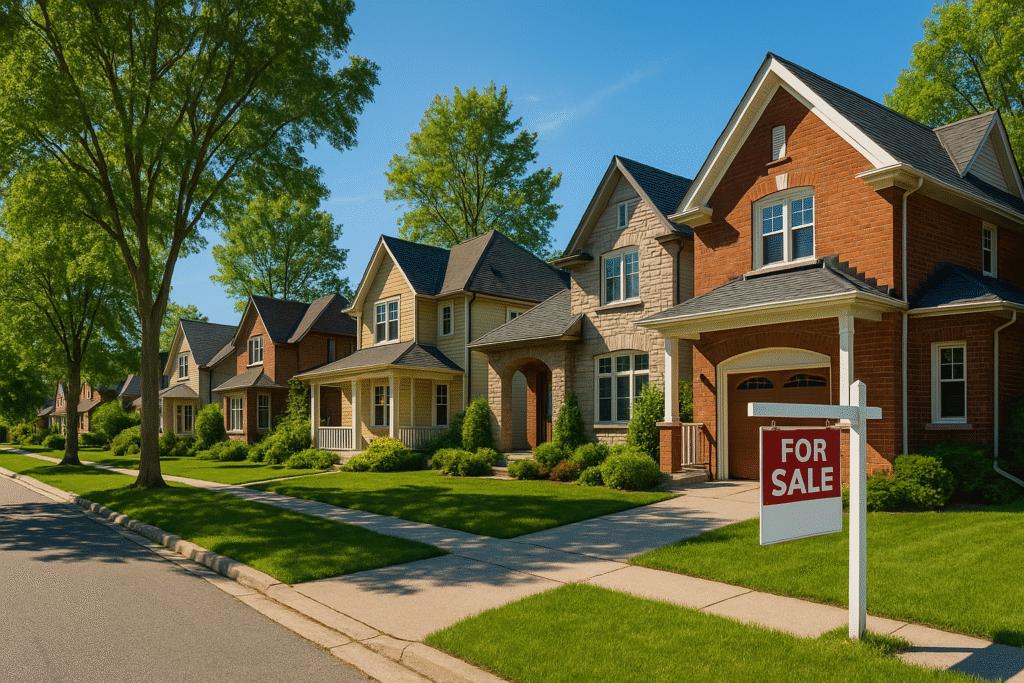
The value of homes can differ significantly from one neighborhood to the next, and even from one street to the next or one building to another. The home market research can help you to understand the asking price for the home and whether it meets your needs.
First compare homes that are similar to each other and are located in the same neighborhood. Compare properties that are similar in size, condition, layout and offer similar features, not solely by asking price.
Compare Similar Properties
When looking for homes, check out:
- Comparable properties (where available) that have been sold recently.
- Current asking prices around the property.
- The age and state of each property.
- The dimensions of the land and usable inside space.
- Transportation access and access to critical services.
- applicable property taxes, association fees or maintenance charges.
Keep in mind that asking price is not necessarily the asking sale price. When available, rely on local reliable records or consult a qualified real estate expert.
Go to the Neighborhood in person!
Although online images will assist you in narrowing down your choices, it cannot convey all the information about an area. Before you commit, take a walk around the neighborhood and take in the environment.
Note the ease of parking, noise of the streets, and the time to get to your frequent destinations. Discuss with residents issues like water supply, drainage, traffic and building maintenance, if possible.
Future plans also should be taken into account. If planning a long-term occupancy, consider if the area is going to continue to meet your work, family and lifestyle requirements.
Don’t rush an offer.
A home that looks like it’s a good deal might turn out to be a terrible deal, and a home that’s on the high end might offer up great value.
Do a thorough comparison of the options you’ve narrowed down to. Inquire about the seller’s disclosures, recent repairs, known issues, and that which may be unusual about the price.
Helpful hint: Make a comparison chart for 3 or more properties. Write down the cost, where, condition, approximate monthly costs and the pros and cons. This way you can make an easier decision on each option based on the same criteria.
5. Carefully review any Property Documents and Legal Requirements.
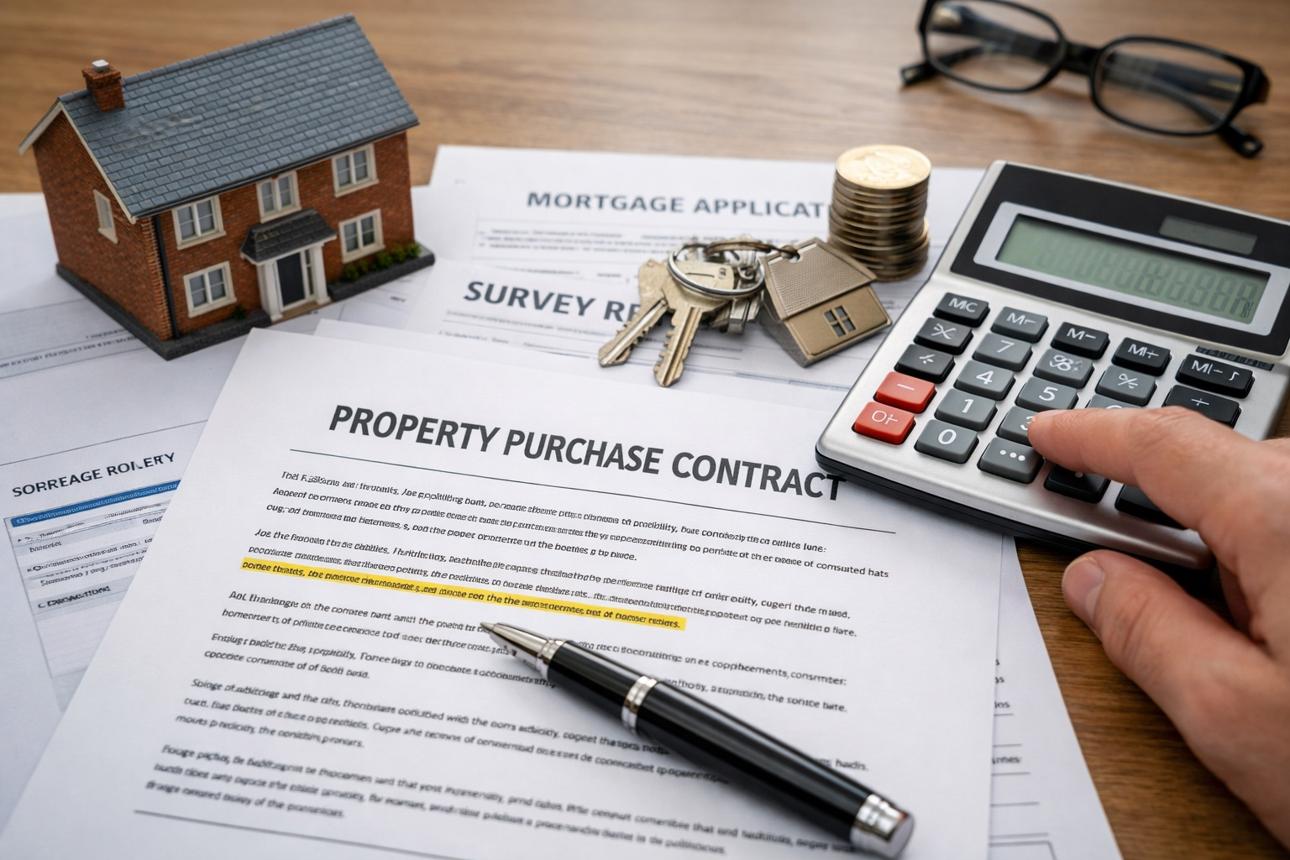
Before purchasing a residence, first make sure that the seller is legally able to sell the home and that the paperwork substantiates the sale. A house might appear terrific during a home showing, but may have legal or administrative matters that ought to be addressed.
Specific documents needed will vary by country and local property system. A title deed and search of the public registry are key in certain locations. In other areas, buyers might have to check land records, certificates of ownership, documents of transfer, approved plans and other official documents.
Check for ownership and property records.
Where applicable, confirm:
Seller’s identity and legal right to sell.
- The written history of ownership, and property lines.
- If the property is mortgaged, if there are liens, if there are disputes, or if there are other claims.
- If property taxes and charges are due and have been paid.
- If additions or alterations are requested, whether they meet with relevant approvals.
- If the property does not have the required permits or completion documents.
When looking at an apartment or property in a managed development, you should also inquire about any outstanding maintenance charges, communal facilities and amenities, association rules and payments that may impact the sale.
Review the Purchase Agreement. Know what the Purchase Agreement is

Thoroughly read the agreement before signing it. Be sure to note the price, terms of payment, fixtures included, completion date and responsibilities of each party.
There may be financing conditions, inspection conditions, title conditions or other conditions depending on local law and contract. Know what would happen if one of these did not occur.
Avoid taking things for granted, just based on a verbal commitment. Any important agreement must be in the proper written terms.
Get legal counsel from a professional.
Ownership of property can be complex, particularly in the case of incomplete history or shared ownership or boundaries being contested.
Get documents checked and an explanation of your responsibilities from a qualified property lawyer, conveyancer or other locally authorized professional. They play a special role in the case that the seller’s documents are lacking clarity or in cases that have special circumstances.
A good rule of thumb: Don’t wire a large sum just because a seller or agent has said the transaction has to close today. Always check the transaction, how to pay and ownership papers using a suitable and independent method first!
6. Create a Moving Checklist and a First Year in Homeownership Checklist
The keys are a major step, but the process of home buying isn’t over. The first year can be a time of real organization, understanding how things work, and dealing with expenses that weren’t anticipated before taking over.
Preparation can help with a smoother transition and save you money.
Prioritize Essential Services for Move-day
In advance of moving day, arrange access to electricity, water, gas (if applicable), internet, rubbish collection, and any building access needs.
Change addresses with appropriate entities, forward mail if possible and store duplicate of significant purchase paperwork in a secure place.
If a communal building or a managed community, understand communal parking rules, deliveries, waste disposal and communal facilities.
Revisit the Property to see if the issue has been resolved.
Prior to bringing furniture home, inspect the property to ensure it’s in the agreed condition. Ensure that any repairs agreed to in the purchase contract and appliances or fixtures have been installed.
Document existing damage, record meter readings, keys, warranties and manuals if applicable, make photos.
If you see a significant issue, complete an accurate record and consult with your purchase agreement and local law about your choices.
Create a Home Maintenance Plan
All properties require proper upkeep. Taking care of things regularly can help you detect small problems before they turn into bigger, more costly ones.
You may have these things in your routine:
Checking around plumbing fixture and under sinks for leaks.
- Replacing ventilation filters as per manufacturer’s guidelines.
Tested smoke and carbon monoxide alarms as installed.
Visually checking the roof, gutters and drainage areas for issues, if safe to do so. - Operating heating, cooling, and other equipment as per recommendations.
Having an emergency contact list for necessary fixes.
Never do anything that is dangerous with electricity, gas, roof or structure without being qualified and safe to do so.
Have cash on hand for unforeseen repairs
Even if the home looks fine when you buy it, there are unknown costs associated with a new home.
Without emergency savings, it can wreak havoc on your finances when the piped leaks, the appliance breaks or the heating fails. Don’t spend all your money on furniture and decoration when you move in, continue saving.
Changes can be made step-by-step. Make sure you’ve got all the repairs, security and functions taken care of before investing in any optional improvements.
Real life tip: Create a plan for your first year as a homeowner, detailing what you have to do to maintain your home, your recurring monthly costs, warranties, and other costs you can expect to have within the first year. Check it periodically to make sure you can make any necessary changes to your budget.
Frequently Asked Questions
So what should first-time homebuyers do before they start house hunting?
First, look at your finances to see how much you can afford to spend and then make a list of your property needs and look into the mortgage or financing possibilities. This preparation can allow you to concentrate on properties that meet your requirements.
What is the savings amount of a first-time home buyer?
The quantity is based on the worth of the house, the deposit needed, deals, financing conditions and local rules. Save for moving expenses, down payment, initial repairs, and emergency savings.
Why is it crucial to do research on the housing market?
Research lets you compare like properties, see what property values are like, get the lay of the land, and recognize any issues. It will also provide you with a better foundation to determine if an asking price is a reasonable one.
When buying my first home, should I get a lawyer?
To confirm ownership documents, review the purchase documents and discuss legal issues, hire an independent property lawyer or conveyancer if applicable. These requirements vary based on your location and type of transaction.
What hidden costs do first time home buyers need to be aware of?
Potential expenses are fees, inspection, insurance, taxes, connections, moving, maintenance and repairs. There are some costs that reoccur and you need to figure out the other costs that you are likely to be responsible for each month, as well as the initial purchase costs.
What is the largest mistake that first time home buyers make?
The mistake most often made is agreeing to a home without all of the cost elements of home ownership understood. Other dangers include failing to perform legal checks, failing to pay attention to property flaws, and making hasty selections simply based on looks.
On an immediate basis, what should I do after purchasing a house?
Verify critical utilities, secure property, arrange purchase documents, ensure agreed repairs have been made, create maintenance plan. Have money set aside for emergencies and fix safety issues before beautifying with cosmetic changes.
Conclusion
When it comes to purchasing your first home, you’ve got to find something more than you love. This includes identifying your needs, planning for the total cost of ownership, shopping around, checking legal and paperwork, and planning for life after moving day.
If you’re a first-time home buyer, here are some things to keep in mind. Use a realistic budget, research carefully, ask questions, and consult with a qualified professional for advice as needed.
Most importantly, don’t be rushed into a decision due to pressure or appealing photos. It is better to have a house that suits your budget, location and long term plans, than a house that is just a good-looking house.
By preparing and doing your homework, you get to make a more-informed choice and develop a greater base for the future homeowner.