
Interior Decoration Tips Mintpaldecor Ideas to Make Your Home Feel Beautiful
October 31, 2026
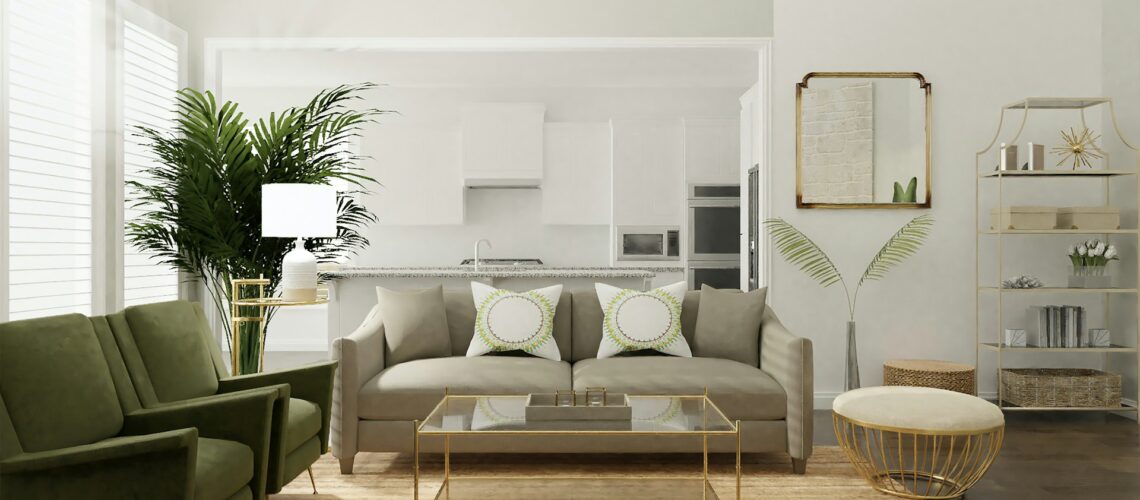
A beautiful home interior is not always about expensive furniture or luxury decorations. Sometimes, a few thoughtful changes can make a room feel more comfortable, organized, and inviting. The secret is to understand your space, choose colors that work together, and decorate with items that reflect your lifestyle.
Whether you live in a small apartment, a family home, or a spacious house, good interior design can improve the way you use and enjoy your rooms. If you are searching for interior decoration tips mintpaldecor, these practical ideas can help you create a home that looks attractive without making the process complicated.
1. Choose a Color Scheme That Works Together

Color is one of the first things people notice when entering a room. The right combination can make your home feel calm, bright, or welcoming.
Start with two or three main colors instead of mixing too many shades. Neutral colors such as white, beige, gray, and soft cream are popular because they work well with different furniture styles.
You can introduce stronger colors through cushions, artwork, rugs, curtains, or decorative accessories. For example, a cream-colored living room can look more interesting with green cushions and natural wooden furniture.
Simple color combination ideas:
- White, beige, and natural wood for a warm appearance.
- Gray, navy, and white for a clean modern look.
- Cream, olive green, and brown for a natural atmosphere.
- Soft blue, white, and light gray for a peaceful bedroom.
Before painting an entire room, test a small sample on the wall. Lighting can make the same paint color look different throughout the day.
2. Arrange Furniture for Comfort and Easy Movement

Furniture arrangement can make a bigger difference than buying new furniture. Even an expensive sofa may look out of place if it blocks a walkway or makes the room feel crowded.
Think about how you use each room. In a living room, arrange seating so people can talk comfortably. A sofa facing two chairs or a television can create a practical layout, depending on your needs.
Keep enough walking space between furniture pieces. Avoid placing large items in front of windows because they can block natural light.
For smaller rooms, consider furniture with built-in storage. An ottoman with hidden storage or a coffee table with shelves can help reduce clutter.
3. Use Lighting to Improve the Mood of Every Room

Lighting affects both the appearance and functionality of a home. A single ceiling light may provide basic illumination, but combining different light sources can make a room feel more comfortable.
Try using three types of lighting:
- Ambient lighting: General light from ceiling fixtures or recessed lights.
- Task lighting: Focused light for reading, cooking, or working.
- Accent lighting: Decorative light that highlights artwork, shelves, or architectural details.
For a cozy living room, combine a ceiling fixture with a floor lamp and a small table lamp. In kitchens, use brighter task lighting around countertops and food preparation areas.
Whenever possible, make use of natural daylight. Light curtains can help brighten a room while still providing privacy.
4. Add Texture to Make Rooms Feel More Interesting

A room decorated with only smooth surfaces and matching colors can sometimes feel flat. Texture adds depth and makes a space feel more inviting.
You can introduce texture through different materials, such as wood, cotton, linen, wool, leather, and natural stone.
For example, place a soft throw blanket over a sofa, add textured cushions, and use a woven rug to create a comfortable living room.
In bedrooms, layered bedding can make the space feel more relaxing. Combine a simple duvet cover with decorative pillows and a lightweight blanket.
The goal is to create variety without making the room look messy. Choose materials that complement each other.
5. Decorate Walls With Artwork and Personal Items

Empty walls can make a room feel unfinished. Artwork, framed photographs, and decorative wall pieces can help bring the entire design together.
You do not need expensive paintings. Affordable prints, personal photographs, or handmade artwork can look beautiful when displayed thoughtfully.
A gallery wall is a simple option for living rooms, hallways, and staircases. Use frames with similar colors or finishes to create a coordinated appearance.
Before hanging anything, arrange the frames on the floor to test the layout. This helps you avoid unnecessary holes in the wall.
For a balanced look, hang artwork at a comfortable viewing height and make sure its size suits the furniture below it.
6. Bring Natural Elements Into Your Home

Natural elements can make indoor spaces feel fresh and connected to the outdoors. Houseplants, wooden furniture, stone accessories, and natural fabrics are simple ways to introduce this look.
If you are new to indoor gardening, choose plants according to the amount of light your room receives. Some varieties are suitable for brighter spaces, while others can tolerate lower light.
You can also use natural materials without adding many plants. A wooden coffee table, woven basket, jute rug, or ceramic vase can bring warmth into a room.
Remember to consider plant care, pets, and children when selecting indoor plants. Not every houseplant is safe for pets, so check before bringing one home.
7. Keep Your Home Organized and Free From Clutter

Even a beautifully decorated home can look untidy when too many items are left in open spaces. Organization helps your furniture, colors, and decorations stand out.
Start by removing things you no longer use. Then decide where everyday items should be stored.
Useful storage ideas include:
- Decorative baskets for blankets and toys.
- Drawer organizers for small household items.
- Shelving units for books and accessories.
- Storage benches for entryways.
- Cabinet organizers for kitchens and bathrooms.
You do not need to make every room completely minimalist. The aim is to keep frequently used items accessible while reducing unnecessary visual clutter.
8. Make Small Rooms Feel More Spacious

Small rooms can be challenging, especially when you need to fit furniture, storage, and decorations into limited space. However, smart design choices can make them feel more open.
Use lighter colors on walls and larger furniture pieces to create a brighter appearance. Mirrors can reflect light and make a room feel visually larger when placed thoughtfully.
Choose furniture that serves more than one purpose. A sofa bed, folding desk, or storage ottoman can save valuable space.
Avoid filling every corner with decorative items. Leaving some open space can make a small room feel more balanced and comfortable.
9. Refresh Your Home Without Buying Everything New

You do not have to replace all your furniture to give your home a fresh appearance. Sometimes, rearranging existing items is enough.
Move a chair to another corner, change cushion covers, replace old curtains, or update a lampshade. Small changes can make familiar rooms feel different.
You can also refresh wooden furniture with suitable furniture polish or paint, following the product instructions. Before starting a DIY project, check whether the material needs sanding, cleaning, or special preparation.
A practical approach is to improve one room at a time. This keeps costs manageable and allows you to make better decisions.
Frequently Asked Questions
1. How can I decorate my home beautifully on a budget?
Start by rearranging furniture, removing clutter, changing cushion covers, and adding affordable artwork. You can also refresh existing furniture instead of purchasing everything new.
2. Which colors make a home look more modern?
Neutral colors such as white, beige, warm gray, and cream are common choices for modern interiors. You can add personality with green, blue, or darker accent colors.
3. How can I make my living room look more expensive?
Use coordinated colors, comfortable furniture, layered lighting, attractive curtains, and a few carefully selected accessories. A tidy room also helps create a polished appearance.
4. What is the best way to decorate a small bedroom?
Choose appropriately sized furniture, use light colors, add storage under the bed when possible, and avoid unnecessary decorations. Mirrors can also help create a more open visual effect.
5. How many decorative items should I use in one room?
There is no exact number. Focus on a few items that complement the room instead of filling every surface. Leave enough open space to keep the design comfortable.
6. How often should I update my home interior?
You do not need a complete makeover every year. Small seasonal updates, occasional furniture rearrangement, and replacing worn accessories can keep your home looking fresh.
Conclusion
Creating a beautiful home interior does not require a large budget or professional design experience. It starts with understanding your space and making practical choices that suit your daily routine.
Choose a balanced color scheme, arrange furniture carefully, use different types of lighting, and introduce textures and natural elements. Keep rooms organized and focus on improvements that make your home more comfortable.
The best interior design is not simply about following trends. It is about creating a space where you genuinely enjoy living.