
10 Real Estate Investment Tips for Beginners
October 3, 2026

Real Estate Investment for Beginners: 10 Things to Know Before Investing
Real estate can be an important part of a broader financial plan, but buying a property as an investment involves more than simply finding a home and expecting its value to increase.
For beginners, it is important to understand the property’s purpose, purchase costs, potential income, ongoing expenses, financing, location, and risks before making an investment decision.
This guide covers 10 real estate investment tips for beginners to help new investors understand the key factors they should research before purchasing an investment property.
1. Understand Why You Want to Invest in Real Estate
Before searching for an investment property, define what you want the investment to accomplish.
Different investors may have different objectives, such as:
- Generating rental income
- Building a long-term property portfolio
- Diversifying investments
- Owning an asset for potential long-term appreciation
- Creating a property-based business
- Purchasing a property for future use
Your objective can influence the type of property, location, financing, and management approach you consider.
A rental property, for example, may require a different evaluation process from a property purchased primarily for long-term ownership.
2. Create a Realistic Investment Budget
The purchase price is only one part of the total investment cost.
Before buying, consider potential expenses such as:
- Down payment
- Financing costs
- Taxes
- Insurance
- Legal or transaction fees
- Property inspection
- Repairs
- Renovation
- Maintenance
- Property management
- Vacancy periods
- Utilities or community fees where applicable
Create a budget that accounts for both the initial purchase and ongoing ownership costs.
Avoid assuming that every month will produce the same income or that unexpected repairs will never occur.
3. Research the Location Carefully
Location is one of the major factors to investigate when evaluating an investment property.
Research the area and consider factors such as:
- Employment opportunities
- Transportation
- Schools
- Healthcare
- Shopping
- Local services
- Neighborhood development
- Rental demand
- Property supply
- Infrastructure
A property with attractive features may still be difficult to rent or sell if its location does not match the needs of potential buyers or tenants.
Research the local market rather than relying only on general national or international real estate trends.
4. Understand Your Target Tenant or Buyer
If you are considering a rental property, identify the type of tenant the property is likely to attract.
For example, a property near universities may appeal to students, while a home in an established residential area may attract families.
Think about:
- Property size
- Number of bedrooms
- Parking
- Transportation
- Nearby services
- Security considerations
- Local amenities
- Expected rental budget
Understanding your target market can help you evaluate whether a particular property is suitable for your investment strategy.
5. Calculate Potential Rental Income Carefully
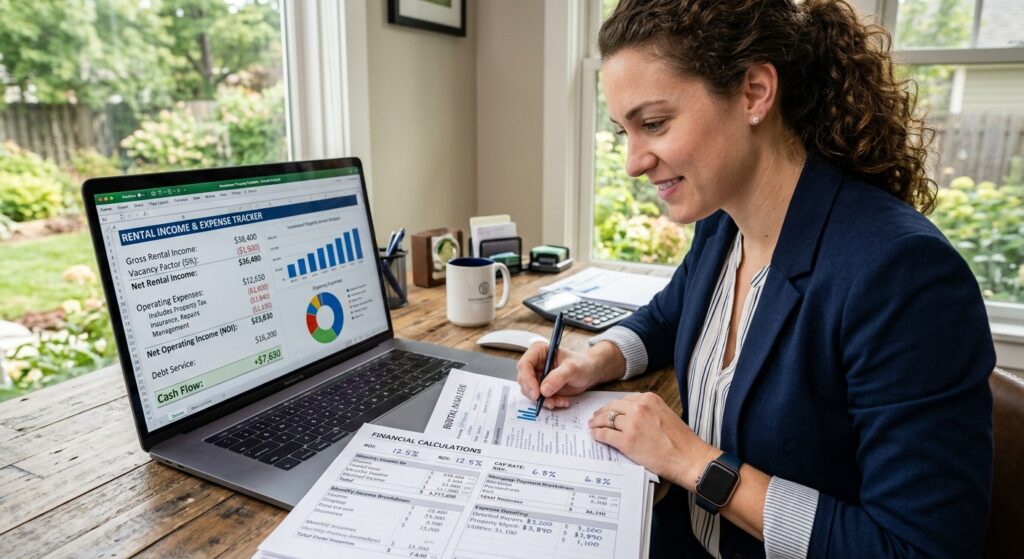
If your investment plan depends on rental income, research realistic local rental prices.
Do not base your calculation on the highest advertised rent you can find.
Compare similar properties based on:
- Location
- Size
- Condition
- Number of bedrooms
- Amenities
- Parking
- Furnishing
- Building or community features
Also remember that rental income may not equal profit.
You may have expenses for:
- Repairs
- Maintenance
- Property management
- Insurance
- Taxes
- Financing
- Vacancy
- Advertising
- Utilities
A simple income estimate can therefore be misleading if important costs are left out.
6. Learn About Cash Flow
Cash flow refers to the money remaining after relevant property expenses are accounted for.
A simplified calculation might look like:
Rental income − operating expenses − financing costs = estimated cash flow
The actual calculation can be more complicated depending on the property, local taxes, financing structure, and accounting treatment.
For this reason, investors should avoid relying on a single headline number.
Create a realistic estimate using both expected income and reasonable expense assumptions.
7. Consider the Property’s Condition
A property requiring significant repairs may appear inexpensive compared with other properties, but renovation costs can change the investment calculation.
Before buying, investigate the condition of:
- Roof
- Plumbing
- Electrical systems
- Heating and cooling
- Windows
- Foundation or structural components
- Appliances
- Exterior
- Common areas in multi-unit properties
A professional inspection may help identify issues that are not obvious during a normal viewing.
If major work is needed, obtain appropriate estimates before deciding whether the property fits your budget.
8. Understand Financing Before You Buy
Financing can have a major effect on the overall cost of an investment property.
Before committing to a purchase, understand the relevant terms, including:
- Interest rate
- Loan term
- Required deposit
- Monthly payment
- Fees
- Early repayment conditions
- Insurance requirements
- Other lender requirements
Financing rules vary significantly by country and lender, so use current information from the relevant financial institution or a qualified financial professional.
Don’t assume that the financing available for an owner-occupied home will be identical to financing for an investment property.
9. Plan for Vacancies and Unexpected Expenses
One common mistake among new property investors is assuming that a rental property will always be occupied.
There may be periods when a property is vacant between tenants.
You may also encounter unexpected expenses such as:
- Plumbing repairs
- Appliance replacement
- Roof repairs
- Property damage
- Maintenance work
- Legal or administrative costs
- Unexpected vacancies
Keeping an appropriate financial reserve can help you handle these situations without immediately placing pressure on your personal finances.
The appropriate reserve depends on the property, financing, local costs, and your financial circumstances.
10. Understand Property Management
Managing a rental property requires time and organization.
Depending on your situation, you may need to handle:
- Tenant communication
- Rent collection
- Maintenance requests
- Property inspections
- Repairs
- Advertising
- Tenant screening
- Documentation
- Compliance with local requirements
Some investors manage properties themselves, while others use professional property management services.
If you plan to hire a manager, include management fees and related costs in your investment calculations before purchasing.
How Beginners Can Research an Investment Property
A structured research process can make property evaluation easier.
Start by collecting information about:
- The property’s purchase price
- Comparable properties
- Potential rental income
- Expected operating expenses
- Financing costs
- Property condition
- Local rental demand
- Neighborhood characteristics
- Relevant taxes and regulations
- Potential vacancy periods
Then compare the property with other available opportunities.
The purpose of research is not to guarantee a particular investment outcome. Instead, it helps you understand the assumptions and risks behind the decision.
Common Real Estate Investment Mistakes for Beginners
Ignoring All Costs
Looking only at the purchase price or expected rent can produce an unrealistic investment calculation.
Assuming Property Prices Always Rise
Property values can change in different directions depending on the market, location, economic conditions, supply, demand, and other factors.
Underestimating Maintenance
Even a well-maintained property can require repairs over time.
Using Unrealistic Rental Estimates
Compare similar properties in the same area instead of assuming that the highest advertised rent is achievable.
Taking on Too Much Debt
Financing can increase purchasing power, but it also creates repayment obligations. Understand the risks before taking on debt.
Skipping Property Research
Never rely solely on a property’s listing or a seller’s description. Verify important information independently where possible.
A Beginner’s Real Estate Investment Checklist
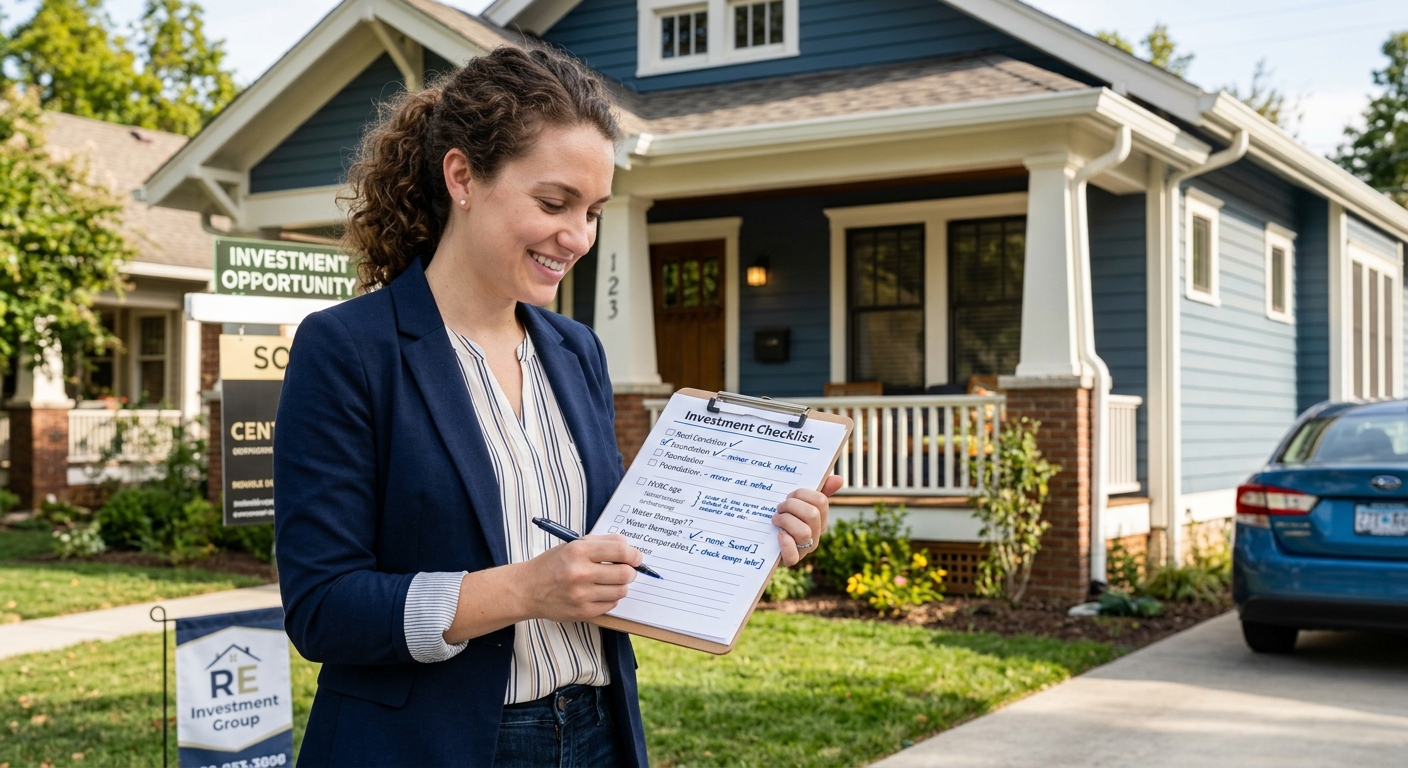
Before purchasing an investment property, ask:
- What is my investment objective?
- What is my complete budget?
- What are the property’s ongoing costs?
- What rental income is realistically achievable?
- Who is the likely tenant or buyer?
- What is the property’s current condition?
- What financing will I use?
- What happens if the property remains vacant?
- How will the property be managed?
- What local legal and tax requirements apply?
If you cannot reasonably answer these questions, more research may be needed before proceeding.
Final Thoughts
Real estate investment requires careful research rather than relying on a simple assumption that property will automatically generate a profit.
For beginners, the most useful starting point is to understand the complete financial picture: purchase price, financing, rental income, operating expenses, maintenance, vacancies, property condition, and local market conditions.
These real estate investment tips for beginners can help you create a more structured research process. However, investment outcomes are never guaranteed, and property markets differ significantly between locations.
Before making a significant investment, consider obtaining independent advice from appropriately qualified financial, legal, tax, or real estate professionals who understand your local market.
Frequently Asked Questions
Is real estate a good investment for beginners?
Real estate can be an investment option, but its suitability depends on an individual’s financial situation, objectives, risk tolerance, financing, and local property market. Beginners should research these factors before investing.
How much money do I need to start investing in real estate?
There is no universal amount. The required capital depends on the property price, down payment requirements, financing, transaction costs, taxes, repairs, and local regulations.
What should beginners look for in an investment property?
Beginners should consider location, purchase price, property condition, realistic rental income, operating expenses, financing, potential vacancy, and local demand.
How do I calculate rental property cash flow?
A basic approach is to subtract operating expenses and financing costs from expected rental income. A detailed calculation should also account for vacancy, maintenance, taxes, insurance, management, and other relevant expenses.
Should beginners manage their own rental properties?
Some owners manage properties themselves, while others use professional property managers. The appropriate choice depends on available time, experience, property location, number of properties, and management costs.
Is location important for real estate investment?
Yes. Location can influence rental demand, property prices, accessibility, tenant preferences, and long-term market conditions. Local research is therefore an important part of evaluating an investment property.
What are common real estate investment risks?
Potential risks include vacancies, unexpected repairs, changing property values, financing costs, regulatory changes, tenant-related issues, and higher-than-expected operating expenses.
Should I get a property inspection before investing?
A professional inspection can help identify potential issues that may not be visible during a normal property viewing. The need and scope of an inspection depend on the property and local requirements.