
Global Real Estate Investment Trends in 2026: Top 10
October 25, 2026

As we look forward to 2026, what are the trends in real estate investment that are unfolding around the world?
As technology, economics, and lifestyle evolve and reshape global property markets, real estate investment is evolving. They’re not just interested in investing in old-fashioned house and office properties in 2026. Data centers, logistics facilities, rental housing, sustainable buildings and luxury vacation are all playing a significant role in the investment dialogue.
The property market is also on the verge of a renewed investment frenzy on a global scale. The total volume of global real estate investment is expected to be over $1 trillion in 2026, up 15% from 2025, according to Savills.
But these opportunities are not equally shared. There are some investors who are looking at older markets with steady rental demand, and others are looking for new markets with more population growth and infrastructure development.
Knowing these changes can aid home buyers, landlords, developers and foreign investors to make better choices. The following guide will discuss the key trends in the real estate investment landscape for 2026, the sectors that are catching investors’ eye, the impact of technology, and the potential hurdles facing the year.
1. GREI is on the mend.
A key factor for 2026 is the anticipated turnaround in global property investment.
After years of uncertainty in the lending market, fluctuating property values and economic pressures, there has been an increase in investor confidence in some markets.
Savills predicts real estate investment in the world will grow by around 15% in 2026, to over $1 trillion.
This expected improvement is due to the resurgence of interest in property acquisitions, more stable valuations and an increase in demand for certain property sectors.
The Americas are also projected to be the largest regional investment market, and Europe, the Middle East and Africa are projected to see robust relative growth.
The investors who are recovering can also discover other types of real estate and areas. However, this doesn’t mean that all properties will be profitable.
Those who would like to buy should study local market dynamics, financing costs, the demand for rent and the long-term prospects of the property before buying.
2. AI is Discovering New Real Estate Investment Opportunities.
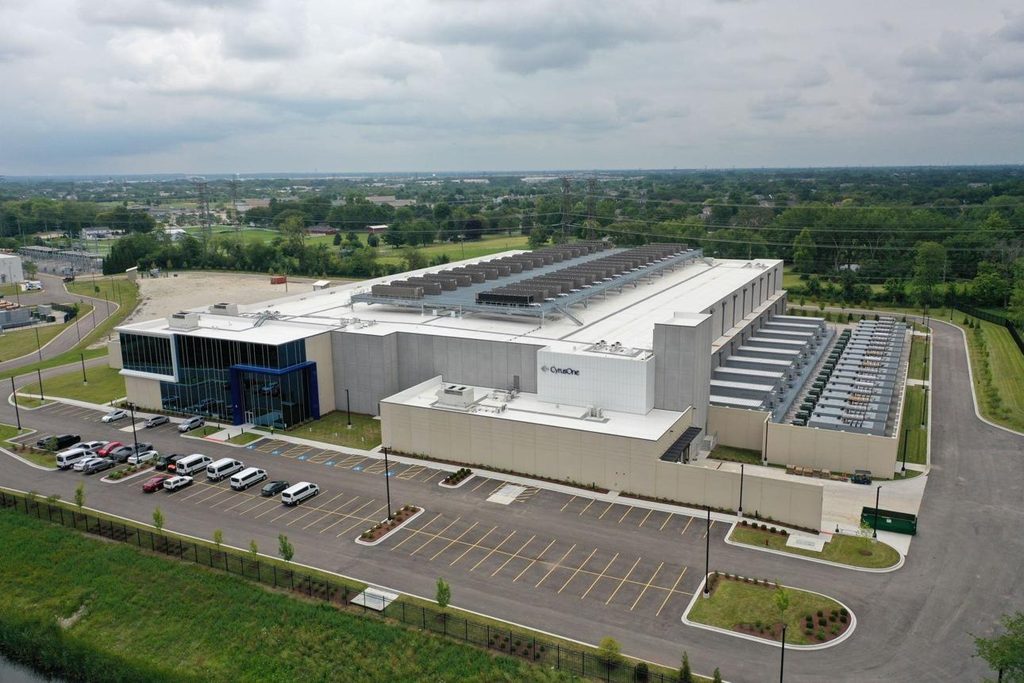
AI is rapidly a key factor in the property sector.
- AI is typically discussed in the context of Software, Technology companies, and Digital services, but it also demands physical infrastructure. For proper storage and processing of information, data centers, server facilities, and specialized buildings are crucial.
That has led to an emerging interest in digital infrastructure from property investors.
Businesses are increasingly demanding data centers.Data centers are becoming a demand for businesses.
Data centers are buildings that contain computer servers, networking equipment and storage systems.
With the adoption of artificial intelligence, cloud computing and digital platforms, businesses are more dependent on computing infrastructure than ever before.
The JLL 2026 Global Data Center Outlook projects that to almost 100 GW of new data center capacity could be added globally by 2026 to 2030.
This is the natural growth that points out the significance of data center real estate.
However, it’s not easy to develop these facilities. Factors of interest to the investor are the availability of electricity, cooling needs, construction costs, availability of the network, and local regulations.
AI in Property Management
AI is also transforming the way properties are being managed today.
Technology can help property owners and management companies to:
- Oversee the needs of building maintenance.
- Interpret data about the rental market.
- Improve energy management.
- Automate some customer service activities.
- Identify possible maintenance issues.
- Organize tenant communication.
These tools can assist in enhancing operational efficiency and aiding in better decision-making by property managers.
When investors have a large number of residential or commercial properties, technology can be an asset in the management of their portfolios.
3. Investors are still interested in Residential Rental Properties.

Real estate continues to be a critical component of the worldwide property sector.
While owning a home is a long-term objective for many families, the road to homeownership can be challenging in some markets due to high home prices, mortgage costs and affordability.
Hence, property investors are still interested in the rental housing market.
Why Rental Housing Is Important
The rental income stream can be a regular cash flow provided there is demand and the rental property is managed properly.
Investors may look at apartments, single family rental homes, and professionally managed residential communities.
A few key rental drivers are:
- Workers moving for work.
- Pupils looking for housing.
- Millennials putting off the purchase of a home.
- Flexible housing for families.
Movement to large employment centres.
Build-to-Rent Developments
Build-to-rent is a property development strategy that involves creating residential developments intended for rent.
These developments can feature property management, shared facilities, security and maintenance services.
They are able to attract tenants who want professionally managed accommodation.
Investors should, however, consider construction expenses, local rental laws, vacancy rates and potential rents prior to investing in the sector.
4. Prime Office Buildings Are Becoming More Important
Over the last few years, remote and hybrid working have become widespread and has had a big impact on the office market.
Some companies need less traditional office space than ever, and others are looking for more modern offices that allow them to work, be comfortable and collaborate.
This is causing a split between mature office buildings and premium quality buildings in desirable locations.
The demand for high quality offices is growing.The demand for high quality offices is on an increase.
Savills highlights prime offices as one of the key areas driving its 2026 investment outlook for the world.
The following features may be important in persuading tenants to lease modern office properties:
- Convenient locations.
- Energy-efficient building systems.
- Modern layouts.
- Secure internet and technology systems.
- Employee facilities.
Access to public transport.
Having an office building that is laid out well, can make a business want to have it, even if they are shrinking in office space.
Opportunities for Office Investors
Opportunities could exist in existing business centres where the demand for tenants is high.
Older structures might also be a possibility for renovation or conversion, but the feasibility of redevelopment will depend on various factors including planning regulations, development costs and property suitability.
One key takeaway is that it is not just about buying a big commercial building, it’s about office quality and location.
5. The significance of industrial and Logistics Properties is growing.
Industrial real estate is a key investment market due to the rise of e-commerce, global trade, and modern supply chains.
To enable businesses to move products efficiently, they require warehouses, distribution centers, manufacturing facilities, and storage buildings.
They facilitate the transportation of goods between manufacturers and retailers and customers.
E-Commerce and Warehouse Demand
The internet has altered the way products are stored and delivered by retailers.
Many companies now require distribution facilities closer to big populations to be able to satisfy orders promptly.
This can lead to greater demand for logistics properties in a good location.
Supply Chain Development
International companies are also looking at their value chains to control costs, trade volatility and delivery risks.
Several companies are shifting their production and storage centres from one country or region to other countries.
This can lead to opportunity in right markets for industrial property owners.
Investors should keep the following considerations in mind.Consider the following when investing.
Investing in industrial properties is not something you want to do without doing the research first.
Important factors include:
Accessibility to highways and transportation networks.
- Proximity to large population centres.
- Building specifications and storage capacity.
- Tenant financial strength.
- Lease duration.
- Local industrial demand.
Although the location of a warehouse may be appealing, the cost of the warehouse and operating costs are still a factor that needs to be considered in a warehouse investment.
6. More attention is being paid to Sustainable and Energy-Efficient Buildings.

Ecological aspects are increasingly playing a role in international real estate investments.
Building owners are more focused on energy use, energy efficiency, environmental issues, and operating costs.
Sustainability is no longer a choice for some investors. It can impact property competitiveness and long-term ownership costs.
Energy-Efficient Property Features
In modern and renovated buildings, there might be:
- Solar energy systems.
- Better insulation.
- Energy-efficient windows.
- Intelligent heating and cooling solutions.
- Water-saving equipment.
- Efficient lighting.
- Improved waste management.
These features may help to decrease energy usage and enhance the occupants’ experience.
Climate Risk and Property Value
Flooding, extreme heat, storms and other environmental events are all impacts that can be experienced by properties due to climate related risks.
Being in a high-risk area can lead to increased insurance premiums, more maintenance needs, or difficulties in selling a building in the future.
The investor should thus be aware of the environmental risks prior to investing in a property.
There are opportunities for renovating and retrofitting.Opportunities exist for renovation and retrofit.
Retrofit means to enhance an existing building, not replace the building.
Investors can retrofit insulation, heating systems, windows, electrical systems and other building elements to increase efficiency.
But the money savings vary based on the cost of renovating, incentives available, cost of energy and future tenant demand.
7. Luxury Real Estate and Vacation Properties Continue to be an Investment Region.
Buyers are drawn to luxury real estate because of the unique homes, higher-quality locations, privacy and lifestyle experiences.
The sector is home to luxury villas, private estates, waterfront properties, holiday homes and luxury apartments.
Sellers of top-notch homes for both living and vacation are drawn to international locations like Greece, Mallorca, Ibiza, Dubai, and French Riviera.
Why Investors Consider Luxury Properties
A luxury property can be attractive to those who are looking for:
- Exclusive locations.
- Larger living spaces.
- Privacy and security.
- Premium architectural design.
- Shorefront or rural locations.
- Vacation rental opportunities.
Some owners also think about leasing out their home if they are not utilizing it.
Vacation Rental Opportunities
With good tourism demand, holiday homes and luxury villas can be an income source.
But there are other factors to consider when investing in vacation rentals.
Profitability can be affected by seasonal occupancy, property management, cleaning and maintenance, marketing, and local short-term rental regulations.
High tourist return doesn’t necessarily come from a popular tourist destination. Investors should take into account an achievable rent figure versus the cost of ownership.
8. Emerging Market Stocks Drawing More Investor Interest
Property markets that have been around for a while continue to be a vital consideration, but investors are also looking at countries with a growing population, urban development and infrastructure improvements.
Demographic and behavioural shifts are significant factors influencing the global real estate market in 2026, according to Savills.
The economic development, fast-growing cities and evolving housing needs of countries like India, Saudi Arabia and Vietnam are catching the interest of the world.
India
The increasing urbanization and rising business activities in India is driving the demand for housing, offices, retail and industrial.
Indian urban markets like Mumbai, Bengaluru, Hyderabad and Delhi are significant.
Saudi Arabia
Saudi Arabia is putting money into infrastructure, tourism, business development and large urban projects.
These advancements have resulted in the interest in residential, hospitality, and commercial real estate.
Vietnam
Demand for industrial facilities, logistics properties and urban housing are driven by Vietnam’s economic development and manufacturing.
United Arab Emirates
Dubai and Abu Dhabi continue to be key global markets for real estate investments for both homes and offices.
Their property market is well-known by foreign property buyers, business owners, and people looking for luxurious residences.
Investors may be tempted to invest in emerging markets, but they should be aware of the rules on the ownership of properties, the political environment, taxes, currency fluctuations, and the demand for properties in the country before investing.
9. PropTech is transforming the way people buy and manage property.
PropTech, or property technology, is revolutionizing real estate processes.
Some property processes are becoming easier with technology such as online listings, virtual tours, and electronic transaction platforms.
The growing trend among investors and real estate companies involves leveraging digital tools to gain insights into the real estate market, engage with potential buyers, and oversee properties.
Important PropTech Developments
- Virtual property tours: Buyers can do virtual property tours prior to scheduling physical visits.
- Digital property platforms: Online market places streamline the comparison of listings, prices, and locations.
- Automated controls and sensors can be used for security, energy management and maintenance.
- Property data analytics: Digital tools to analyze market trends, rental data, and property performance.
- Automated control: Technology can help automate tenant communication, rent tracking, and maintenance requests.
PropTech isn’t just for large property companies. Digital services are also affordable for smaller real estate agents and landlords.
10. What Are the Top Threats to Real Estate Investors in 2026?
While a few industries are seeing investments, the international property market remains fraught with financial and operational risks.
Before buying a residential or commercial home, it’s important to comprehend these difficulties.
The costs of borrowing and lending.The rates at which money borrows and money lends.
The cost of mortgage loans and commercial lending can make a huge impact on investment returns.
A property which may be within your means at one rate of interest can turn out to be a burden if interest rates go up.
Property Market Corrections
Prices may drop in some places where demand is not as high as supply and economic circumstances become weak.
It’s important for investors to not take the fact that property values always go up for granted.
Regulatory Changes
New property taxes, rental laws, zoning laws or restrictions on foreign ownership could be implemented.
These shifts can impact the renting or purchasing and selling of real estate.
Insurance and Climate Risks
Insurance costs can go up for flood, storm, wildfire, and extreme heat vulnerable regions.
Property buyers will need to consider the risk of the local environment and insurance.
Currency Fluctuations
The international investor might receive rental income in one currency and incur rental costs or finance in another currency.
The final investment return could be affected by changes in exchange rates.
11. What Real Estate Strategy is Best for Investors in 2026?
Investing can be done in a variety of different ways, and the best approach will depend on the individual’s financial objectives, starting capital, risk tolerance, and the amount of time that they have to invest.
Some investors like rentals and want to have regular income from them; they opt for residential rentals. Others specialize in commercial property, development work or overseas vacation properties.
Before you buy, here are some steps you’ll want to take into account.
Determine your investment objective, such as rental income, long-term appreciation, property development profits, or diversification.
- 2. Conduct a site analysis to review employment opportunities, population trends, infrastructure, housing supply and demand, and rentals.
- Look at all the cost factors – purchase costs, taxes, financing, insurance, maintenance and property management.
- 4. Assess potential returns – consider realistic rental income and potential resale value, not optimistic projections.
- Know local laws and regulations—inquire about ownership, tenant rights, zoning and tax responsibilities.
- Set aside for unforeseen costs. Maintain adequate reserves for repairs, vacancies, insurance changes and market fluctuations.
The value of a well researched purchase of real estate is that it is likely to prove more valuable than buying into a popular market without appreciating the dangers.
Conclusion
The global real estate investment trends for 2026 reflect the shift in the real estate industry. Investors from all over the world are interested in residential rental housing, prime offices, industrial and logistics properties, luxury properties, and data centers.
AI and PropTech are transforming building operations and sustainability and climate resilience are significantly driving property decisions. The emerging markets can also be a place to find opportunities with the growth of cities and the economy.
But it’s not everything about following popular trends to become a successful real estate investor. Several factors affect the outcome, including financing costs, local rules, real estate pricing, tenant demand and operating expenses.
If you’re looking into your first rental property or adding on to your international portfolio, do your due diligence and determine what investment strategy would work best for your financial objectives.
What is the main purpose of this product? What is the primary intent of this product?
FAQ’s
1. What are the most significant real estate investment trends around the world for 2026?
Rental housing, data centers, industrial and logistics real estate, high quality office, sustainable construction, luxury vacation properties, and technology property management are among the major trends.
2. Will the investment in real estate increase in 2026 globally?
Savills projects global real estate investment volumes will hit $1 trillion in 2026, which is around 15% up on 2025.
3. Real Estate Investors are being drawn to Data Centers, why?
The rising demand for artificial intelligence, cloud computing, and digital services is driving the growth of specialized data center facilities. These buildings need proper land, electricity, cooling systems and network connections.
4. Will investing in residential rental property be beneficial in 2026?
Rental housing can be a source of the repeated income in areas where demand is high. But, investors must take into consideration purchase prices, financing, maintenance, taxes, vacancy and local rental rules.
5. What are the best countries to invest in real estate in 2026?
Markets that investors are watching include the United States, United Kingdom, Germany, India, Saudi Arabia, Vietnam, Australia and the United Arab Emirates. They all offer opportunities and risks.
6. What is the impact of AI in real estate?
AI is aiding in property research, automated management, predictive maintenance, customer service, and building efficiency. This is also driving up the need for physical data center infrastructure.
7. What does it mean to property investors when buildings are sustainable?
Energy-efficient buildings can also be attractive to tenants who are looking for efficient and comfortable spaces, and can result in lower operating costs. Climate resiliency also has impacts on insurance premiums and property value over the long-term.
8. Is it profitable to invest in luxury vacation homes?
While luxury vacation homes can be profitable in popular areas, factors such as occupancy rates, seasonal demand, management fees, maintenance, cost of the home, and local laws and regulations will determine profitability.
9. What is “PropTech” in Real Estate?
PropTech is Technology used in the property industry. These range from virtual tours, digital property marketplaces, smart building systems, building management software to data analytics.
10. Before you start investing in global real estate, what should you be considering?
First-time investors should find out about property prices, demand for rentals in the area, taxes, financing, ownership regulations, maintenance costs, and currency risks. Having a clear financial plan can help prevent unnecessary investment pitfalls.