
First-Time Home Buyer Guide: What to Check Before Buying
October 3, 2026
Introduction
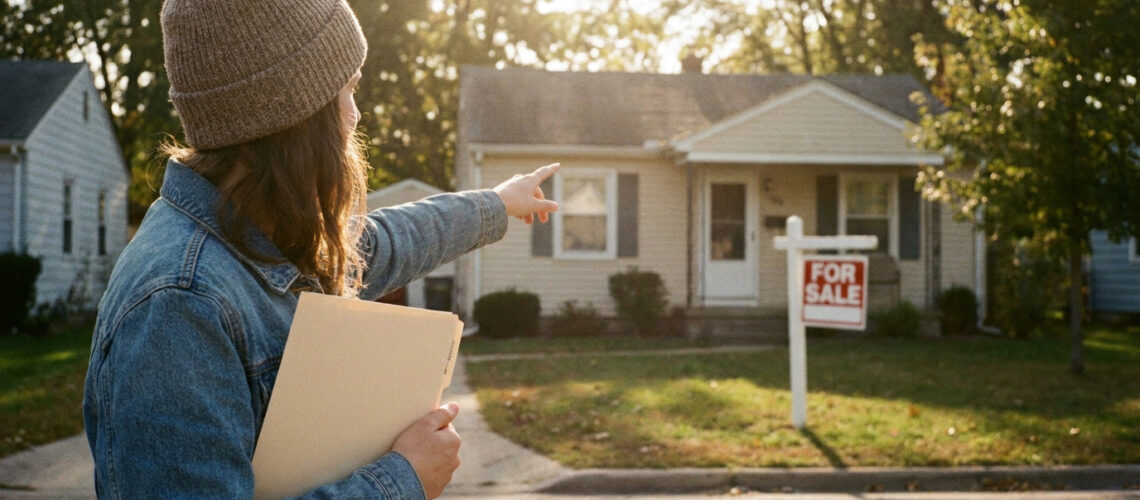
Buying your first home is a major decision. It involves more than finding a house that looks attractive or fits your preferred location. First-time buyers also need to consider affordability, property condition, neighborhood factors, financing, legal documents, ongoing costs, and future needs.
A clear process can make the home-buying journey easier to understand and can help you identify potential issues before committing to a purchase.
This first time home buyer guide explains what to check before buying a house and how to approach the process step by step.
What Should First-Time Home Buyers Check?
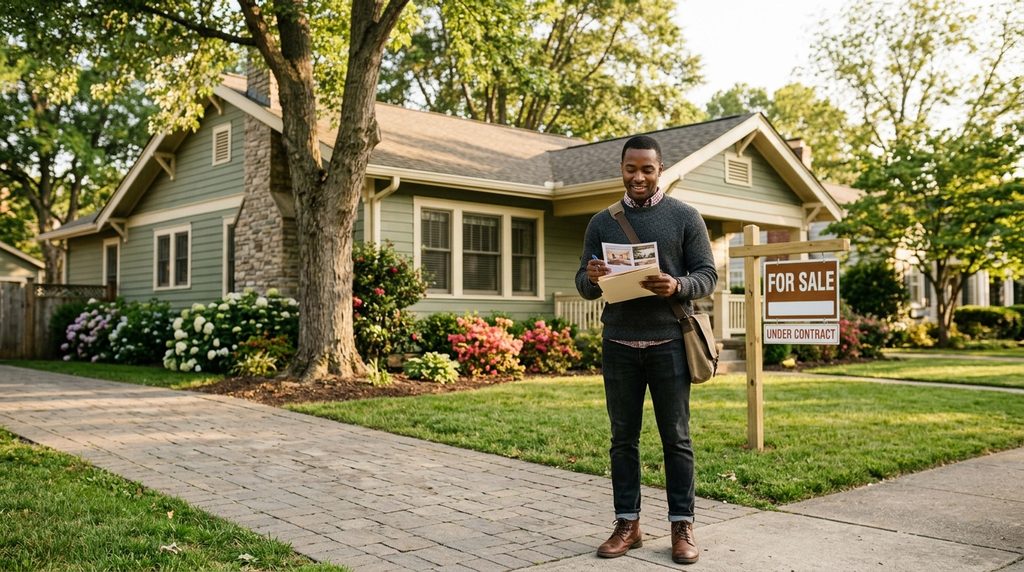
Before buying a house, consider these key areas:
- Your overall budget
- Financing options
- Property location
- Property condition
- Comparable property prices
- Inspection results
- Ownership and legal documents
- Taxes and other costs
- Neighborhood conditions
- Future maintenance requirements
- Your long-term housing needs
No single checklist can replace professional advice, but these areas provide a useful starting point.
1. Determine Your Total Home-Buying Budget
The first step is understanding what you can realistically afford.
Do not look only at the property’s purchase price. Your total housing budget may also include:
- Down payment
- Mortgage or financing costs
- Property taxes
- Insurance
- Inspection fees
- Legal or professional fees
- Moving costs
- Repairs
- Maintenance
- Utilities
- Transaction or closing costs
Create a realistic budget before visiting properties so that you can focus on homes that fit your financial circumstances.
Purchase Price vs. Total Cost
A home with a lower purchase price may still require substantial repairs or ongoing expenses.
For that reason, compare the total cost of ownership, not just the listing price.
2. Understand Your Financing Options
If you need financing, research the available options before making an offer.
Depending on your location and circumstances, financing may involve:
- Mortgage loans
- Bank financing
- Government-supported programs
- Conventional financing
- Other approved lending arrangements
Compare important terms such as:
- Interest rate
- Loan duration
- Monthly payment
- Upfront costs
- Fees
- Required down payment
- Early repayment conditions where applicable
Make sure you understand the full cost of borrowing.
For personalized financial guidance, consult a qualified mortgage or financial professional.
3. Choose the Right Location
Location can have a major effect on your daily life and the long-term marketability of a property.
Consider:
- Distance from work
- Schools
- Public transportation
- Roads
- Shopping
- Healthcare
- Parks
- Restaurants
- Community facilities
- Traffic
- Noise
Visit the neighborhood at different times of day if possible.
A location can feel very different during the morning commute, evening, or weekend.
4. Research Comparable Property Prices
Do not assume that the asking price is automatically the property’s market value.
Research comparable properties with similar:
- Size
- Location
- Number of bedrooms
- Number of bathrooms
- Age
- Condition
- Features
- Lot size
Recent sale information, where available, can provide useful context.
Comparing several properties is generally more informative than evaluating one listing in isolation.
5. Check the Property’s Structural Condition
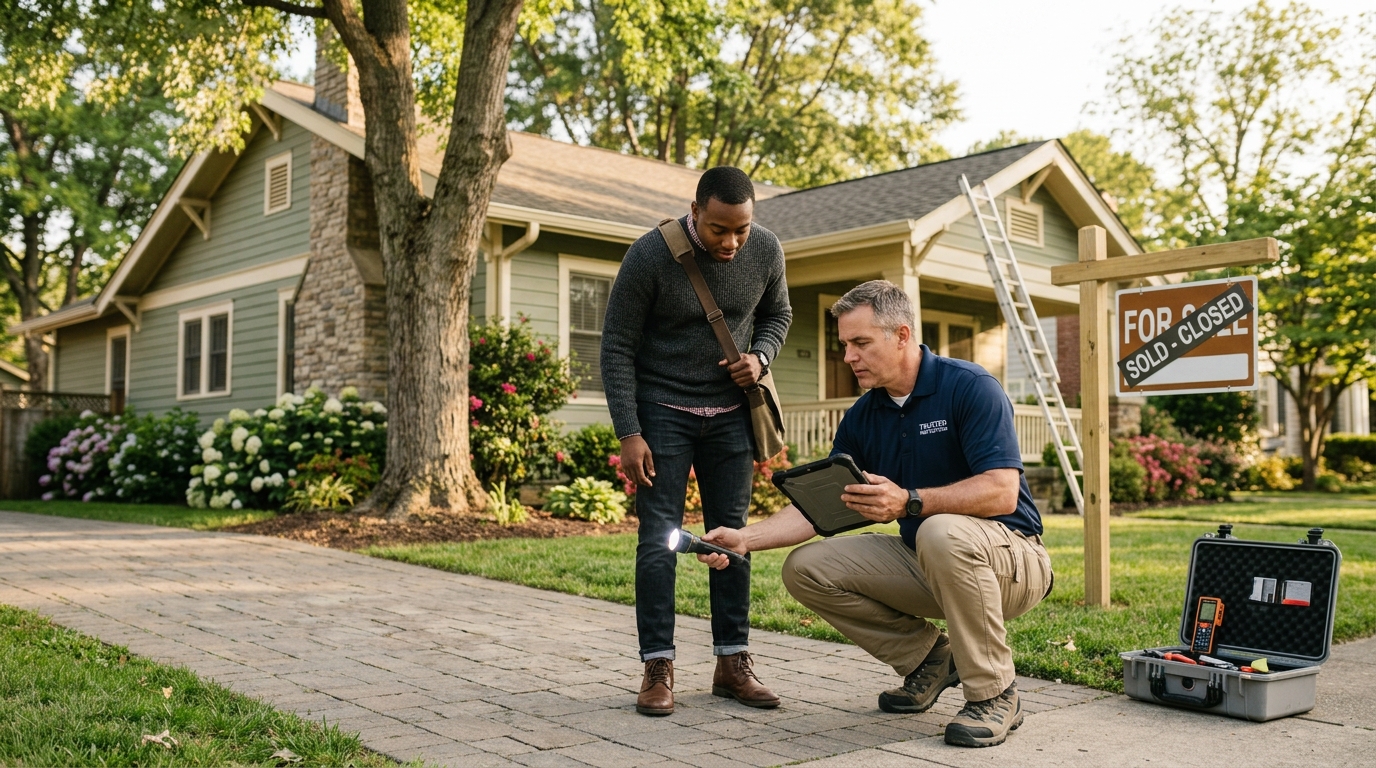
A house can look excellent while still having problems that are difficult to notice during a normal viewing.
Pay attention to:
- Cracks
- Roof condition
- Foundation concerns
- Water damage
- Drainage
- Doors and windows
- Floors
- Walls
- Signs of moisture
- Major structural alterations
A professional property inspection can provide a more detailed assessment.
If a significant structural concern is identified, obtain appropriate professional advice before proceeding.
6. Inspect the Roof
Roof repairs can be expensive, so the roof should not be overlooked.
Check for visible signs such as:
- Damaged or missing roofing materials
- Water stains
- Sagging
- Leaks
- Poor drainage
- Deteriorated flashing
Ask when the roof was installed or last repaired if that information is available.
A qualified roofing professional may be able to provide a more detailed assessment when necessary.
7. Check Plumbing and Water Systems
Plumbing problems can lead to expensive repairs and water damage.
During a property inspection, consider checking:
- Faucets
- Toilets
- Visible pipes
- Water pressure
- Drains
- Water heaters
- Signs of leaks
- Moisture around bathrooms and kitchens
Do not ignore stains, dampness, unusual odors, or unexplained moisture.
These signs may require further investigation.
8. Check Electrical Systems
Electrical systems are another important area to investigate.
Look for:
- Outlets that appear damaged
- Flickering lights
- Exposed wiring
- Overloaded extension cords
- Outdated electrical components
- Problems with switches
Do not attempt to inspect or repair hazardous electrical systems yourself.
If concerns arise, consult a qualified electrician.
9. Evaluate Heating and Cooling Systems
Depending on the climate and property, heating and cooling equipment can be a significant household expense.
Ask about:
- Age of the equipment
- Maintenance history
- Energy efficiency
- Recent repairs
- Unusual sounds
- Performance problems
- Expected replacement needs
Replacing major equipment can be expensive, so understanding its condition before buying can help with budgeting.
10. Check Windows and Doors
Windows and doors affect security, comfort, energy use, and maintenance.
Check whether they:
- Open and close properly
- Lock correctly
- Show signs of moisture
- Have damaged seals
- Allow noticeable drafts
- Have cracked glass
- Need repairs
Older windows are not necessarily a reason to reject a property, but potential replacement costs should be considered in your budget.
11. Look for Signs of Water Damage
Water damage can create serious maintenance problems if the underlying source is not addressed.
Look for:
- Ceiling stains
- Wall discoloration
- Peeling paint
- Swollen materials
- Musty odors
- Damp areas
- Mold-like growth
- Damaged flooring
If you find evidence of water damage, determine the likely source before proceeding.
Cosmetic repairs should not be used to hide an unresolved moisture problem.
12. Check the Kitchen and Bathrooms
Kitchens and bathrooms are among the most frequently used areas of a home.
Check:
- Cabinets
- Countertops
- Faucets
- Sinks
- Toilets
- Showers
- Tubs
- Ventilation
- Tiles
- Flooring
- Appliances included with the property
A dated kitchen is not necessarily a problem if it functions well and fits your budget.
Focus on condition, functionality, and potential replacement costs.
13. Research Property Taxes and Other Recurring Costs
Before buying, understand the costs associated with owning the property.
These may include:
- Property taxes
- Insurance
- Association fees
- Utilities
- Maintenance
- Security services
- Landscaping
- Waste services
The exact costs vary by location and property.
Ask for reliable documentation rather than relying solely on estimates from a listing.
14. Review the Property Documents
Before completing a purchase, make sure the appropriate ownership and property documents are reviewed.
Depending on the jurisdiction, these may include:
- Ownership records
- Title documents
- Property plans
- Permits
- Tax records
- Previous transaction records
- Building approvals
- Association documents
Property documentation requirements vary by country and local authority.
For important legal matters, use a qualified property lawyer or other appropriate professional.
15. Check for Renovations and Building Permits
If the house has been extended or significantly renovated, ask whether the appropriate approvals or permits were obtained.
Examples may include:
- Room additions
- Structural changes
- Major electrical work
- Plumbing alterations
- New buildings
- Converted spaces
Unapproved work can create legal, insurance, financing, or resale issues depending on local requirements.
16. Research the Neighborhood’s Future Development
The surrounding area can change after you purchase a property.
Research publicly available information about:
- New roads
- Commercial projects
- Residential developments
- Schools
- Transportation projects
- Zoning changes
- Parks
- Infrastructure improvements
Future development can affect convenience, traffic, noise, and the character of an area.
Use official sources when verifying important development information.
17. Visit the Property More Than Once
A single viewing may not reveal everything.
If possible, visit the property at different times and pay attention to:
- Traffic
- Noise
- Natural light
- Parking
- Neighborhood activity
- Temperature
- Privacy
- Nearby construction
A second visit can sometimes reveal issues or advantages that were not obvious initially.
18. Think About Your Future Needs
Your first home should work for your current situation, but it is also worth considering how long you expect to live there.
Think about:
- Family changes
- Remote work
- Storage
- Accessibility
- Parking
- Additional rooms
- Potential renovations
- Commute changes
You do not need to predict the future perfectly. The goal is simply to avoid choosing a property that creates obvious limitations shortly after purchase.
19. Get a Professional Home Inspection
A home inspection can identify issues that may not be obvious to a buyer.
Depending on the property and local practice, an inspection may examine:
- Structural components
- Roof
- Plumbing
- Electrical systems
- Heating and cooling
- Windows
- Doors
- Interior spaces
- Exterior areas
The scope of an inspection varies, so understand what the inspector does and does not cover.
Specialist inspections may be necessary for specific concerns.
20. Don’t Rush the Decision
Buying a home can be exciting, but pressure can lead to overlooked details.
Before committing, review:
- Your budget
- Financing
- Property condition
- Inspection findings
- Comparable prices
- Legal documents
- Neighborhood information
- Future costs
If important questions remain unanswered, seek appropriate professional advice before proceeding.
First-Time Home Buyer Checklist
Use this simple checklist when evaluating a property:
| Area to Check | Completed |
|---|---|
| Total budget | ☐ |
| Financing options | ☐ |
| Property location | ☐ |
| Comparable prices | ☐ |
| Property inspection | ☐ |
| Roof condition | ☐ |
| Plumbing | ☐ |
| Electrical system | ☐ |
| Heating/cooling | ☐ |
| Windows and doors | ☐ |
| Water damage | ☐ |
| Kitchen and bathrooms | ☐ |
| Taxes and recurring costs | ☐ |
| Ownership documents | ☐ |
| Renovation permits | ☐ |
| Neighborhood research | ☐ |
| Future development | ☐ |
| Insurance requirements | ☐ |
| Future maintenance | ☐ |
| Professional advice | ☐ |
Common First-Time Home Buyer Mistakes
Focusing Only on the Appearance
Fresh paint and attractive furniture can make a property look appealing, but buyers should also investigate its condition and documents.
Spending the Entire Budget on the Purchase
Leave room for closing costs, moving expenses, repairs, maintenance, and unexpected costs.
Skipping the Inspection
A professional inspection can identify issues that are difficult to see during a standard viewing.
Ignoring the Neighborhood
A beautiful house may not meet your needs if the surrounding location is unsuitable.
Assuming Renovations Are Automatically Valuable
Not every renovation produces an equivalent increase in property value.
Failing to Review Documents
Property ownership, permits, taxes, and other documents should be reviewed appropriately before completing a transaction.
Final Thoughts
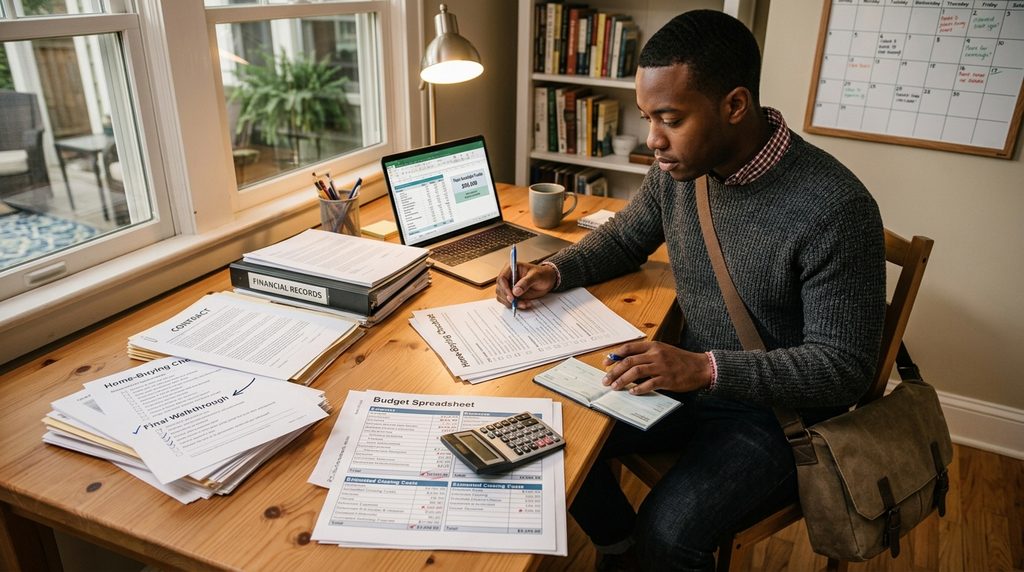
Buying your first home becomes easier to approach when you break the process into manageable steps.
This first time home buyer guide highlights the main areas to check, including your budget, financing, location, property condition, comparable prices, inspections, legal documents, recurring costs, and future needs.
Take your time, compare information from reliable sources, and seek qualified professional advice for legal, financial, inspection, or technical questions. A careful evaluation before purchase can help you understand the property more clearly and prepare for the responsibilities of homeownership.
FAQ’s
What should a first-time home buyer check before buying a house?
First-time buyers should check the property condition, price, location, financing costs, taxes, ownership documents, potential repairs, neighborhood conditions, and future maintenance requirements.
How much money should I have before buying my first home?
The amount depends on the property’s price, financing terms, down payment requirements, transaction costs, taxes, insurance, and your financial circumstances. Create a complete budget rather than considering only the down payment.
Is a home inspection necessary for first-time buyers?
A professional inspection can help identify problems that may not be visible during a normal viewing. The inspection process and requirements vary by location.
What documents should I check before buying a house?
Depending on the jurisdiction, buyers may need to review ownership or title records, permits, tax records, property plans, and other transaction documents. A qualified local property professional can explain which documents apply.
How do I know whether a house is fairly priced?
Compare the property with similar homes in the same area, considering size, condition, location, features, and recent sale information where available.
What are the biggest costs besides the house price?
Potential additional costs include financing, taxes, insurance, inspections, legal or professional fees, moving expenses, repairs, maintenance, and utilities.
Should first-time buyers research the neighborhood?
Yes. Research transportation, schools, amenities, traffic, noise, services, safety information from appropriate official sources, and planned development that could affect the area.
Should I buy a house that needs repairs?
A property requiring repairs is not necessarily unsuitable, but you should understand the scope and estimated cost of the work and consider whether it fits your budget and skills.