17 Property Management Tips for Rental Property Owners
October 3, 2026
Introduction
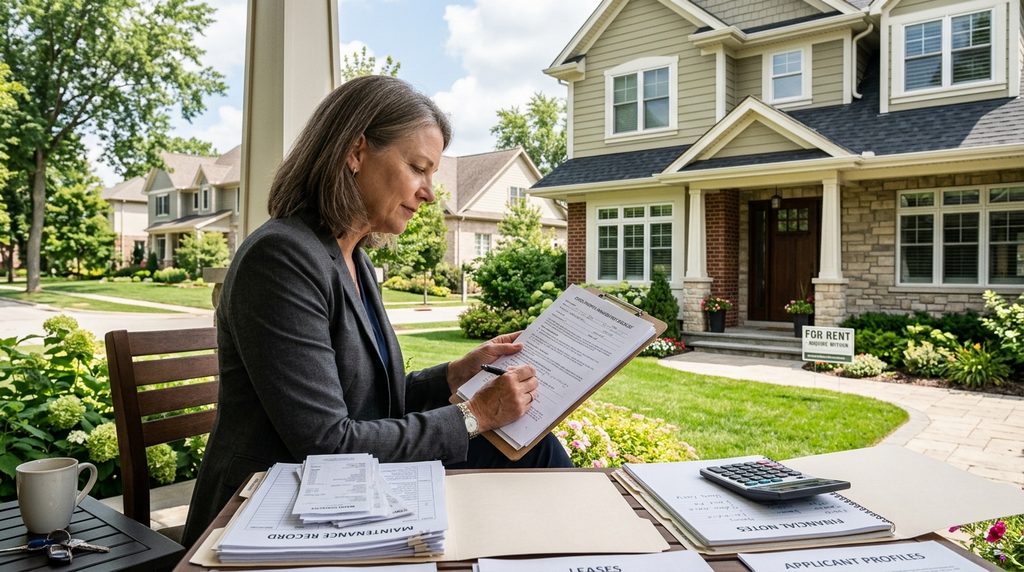
Managing a rental property involves much more than collecting rent. Property owners also need to maintain the property, communicate with tenants, keep accurate records, respond to maintenance issues, and understand the rules that apply to rental housing.
Good property management can help protect the condition of a property while creating a more organized experience for both owners and tenants.
Whether you own one rental home or several properties, these property management tips for rental property owners can help you build a practical system for managing your responsibilities.
What Is Property Management?
Property management is the process of overseeing a rental property and handling the responsibilities associated with ownership and tenancy.
Depending on the property and local requirements, this can include:
- Finding and communicating with tenants
- Managing rental payments
- Handling maintenance requests
- Inspecting the property appropriately
- Keeping financial records
- Managing contractors
- Preparing rental agreements
- Addressing tenant concerns
- Planning repairs
- Maintaining compliance with applicable laws
Some owners manage these responsibilities themselves, while others hire professional property managers.
1. Keep Accurate Property Records
Good recordkeeping is one of the foundations of effective rental property management.
Keep organized records for:
- Rental agreements
- Rent payments
- Maintenance requests
- Repair invoices
- Property inspections
- Utility information
- Insurance documents
- Tax-related records
- Contractor details
- Communication with tenants
Digital records can make it easier to find information when you need it.
Keep important documents secure and follow applicable privacy and data-protection requirements when storing tenant information.
2. Screen Tenants Consistently and Lawfully
Choosing a suitable tenant is an important part of rental property management.
A consistent screening process can include reviewing information that is legally permitted in your jurisdiction, such as:
- Rental history
- Employment or income information where legally appropriate
- References
- Credit information where permitted
- Identity documentation where required
Apply the same lawful criteria consistently to applicants.
Housing and anti-discrimination laws vary by location, so property owners should understand the rules that apply to their rental property before making tenant-selection decisions.
3. Use a Clear Rental Agreement
A written rental agreement helps both parties understand their responsibilities.
Depending on local law, the agreement may address:
- Monthly rent
- Payment dates
- Security deposit
- Lease duration
- Maintenance responsibilities
- Utility responsibilities
- Property rules
- Pet policies
- Renewal procedures
- Notice requirements
Do not rely on informal verbal arrangements for important rental terms when local law requires written documentation.
For location-specific legal requirements, consult an appropriately qualified legal professional.
4. Make Rent Collection Organized
Rent collection should be simple and predictable.
Establish:
- A clear payment date
- Accepted payment methods
- Procedures for payment records
- A process for handling late payments
- Appropriate communication procedures
Provide tenants with confirmation or records of payments where appropriate.
Avoid changing payment procedures frequently unless there is a clear reason to do so.
5. Maintain the Property Proactively
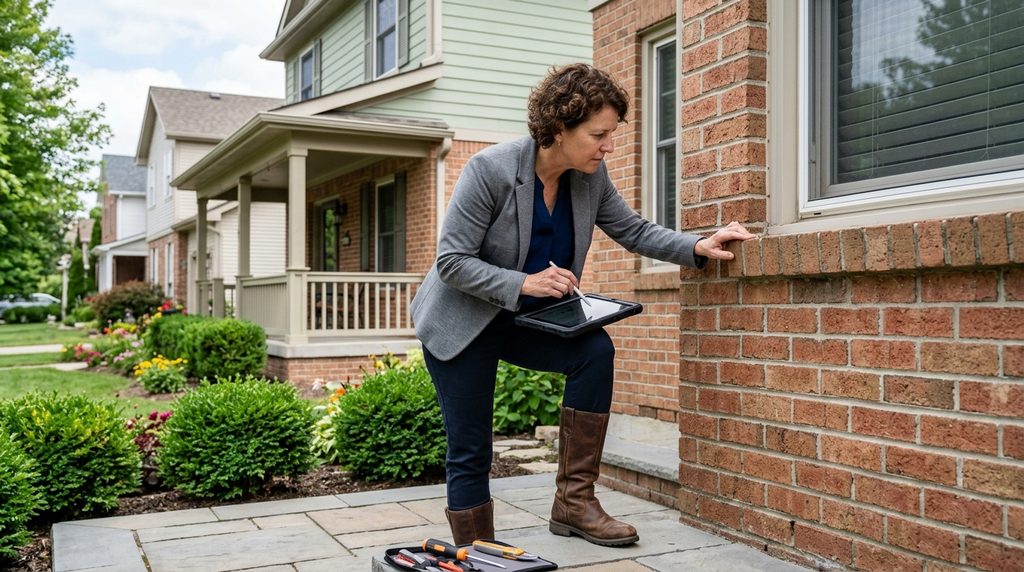
Preventive maintenance can help identify problems before they become larger and more expensive.
Create a maintenance schedule for relevant parts of the property, including:
- Plumbing
- Electrical systems
- Heating and cooling equipment
- Roof and gutters
- Doors and windows
- Appliances
- Exterior surfaces
- Smoke or safety equipment where applicable
The exact maintenance requirements depend on the property, climate, equipment, and local regulations.
6. Respond to Maintenance Requests Promptly
Maintenance problems can become more serious when they are ignored.
Create a straightforward process for tenants to report issues.
For example:
Tenant reports issue → Owner reviews request → Urgency is assessed → Contractor is contacted if needed → Repair is completed → Work is documented
Emergency issues should be handled according to applicable laws, safety requirements, and the circumstances of the property.
Clear communication can also reduce confusion about when someone will visit the property to perform repairs.
7. Inspect the Property Properly
Property inspections can help owners identify maintenance issues and understand the condition of the rental.
However, inspections should be conducted according to applicable tenancy laws and required notice procedures.
During an appropriate inspection, owners may check areas such as:
- Visible water damage
- Plumbing problems
- Damaged fixtures
- Appliances
- Doors and windows
- Exterior condition
- General maintenance concerns
Keep inspection records and photographs where legally appropriate.
8. Build a Reliable Contractor Network
Rental property owners may eventually need plumbers, electricians, HVAC technicians, cleaners, handymen, roofers, or other specialists.
Build relationships with reliable professionals before an emergency occurs.
When evaluating contractors, consider:
- Relevant qualifications
- Licensing where required
- Insurance
- References
- Availability
- Written estimates
- Communication
- Quality of previous work
For specialized or safety-critical work, use appropriately qualified professionals.
9. Create a Rental Property Maintenance Budget
Maintenance expenses are part of owning rental property.
Instead of waiting for a repair to create a financial problem, include maintenance in your property budget.
Potential expenses include:
- Routine maintenance
- Emergency repairs
- Appliance replacement
- Exterior maintenance
- Plumbing repairs
- Heating and cooling service
- Painting
- Cleaning
- Professional inspections
The appropriate amount to reserve varies by property type, age, condition, and local costs.
10. Communicate Clearly With Tenants
Good communication can make property management more organized.
Provide tenants with clear information about:
- How to report maintenance problems
- How rent should be paid
- When inspections may occur
- Who to contact during emergencies
- Property rules
- Changes affecting the tenancy
Keep important communications in an organized record.
Professional communication should be clear, respectful, and consistent.
11. Respect Tenant Privacy
Rental property owners must balance property management responsibilities with tenant privacy rights.
Do not enter a rented property whenever you want.
Entry requirements, notice periods, and permitted reasons for entry vary by jurisdiction.
Before entering a rental property, understand and follow the laws that apply to the tenancy.
12. Keep the Property Safe and Well Maintained
A rental property should be maintained in accordance with applicable safety and housing requirements.
Depending on the property, this may involve checking:
- Smoke alarms
- Carbon monoxide alarms where applicable
- Electrical systems
- Locks
- Stairways
- Handrails
- Lighting
- Plumbing
- Heating and cooling systems
Some safety requirements may be legally mandatory. Owners should verify requirements with the relevant local authorities or qualified professionals.
13. Track Rental Property Income and Expenses
Financial records help owners understand how their property is performing.
Track income such as:
- Rent
- Permitted fees
- Other lawful property-related income
Track expenses such as:
- Repairs
- Maintenance
- Insurance
- Property management
- Utilities paid by the owner
- Professional services
- Property taxes where applicable
- Advertising
- Cleaning
Separate property-related records can make financial management easier.
For tax questions, consult a qualified tax professional familiar with your jurisdiction.
14. Plan for Vacancies
Rental properties may sometimes remain vacant between tenants.
A vacancy can affect cash flow while expenses may continue.
To prepare, consider:
- Keeping the property well maintained
- Preparing marketing materials in advance
- Responding to inquiries promptly
- Planning cleaning and repairs between tenancies
- Understanding local rental demand
- Maintaining an emergency reserve
Avoid setting rental terms solely based on assumptions about demand. Research comparable rental properties and applicable local requirements.
15. Prepare a Move-In and Move-Out Process
A consistent move-in and move-out process can help document the condition of the property.
Consider creating a checklist covering:
- Walls
- Floors
- Doors
- Windows
- Appliances
- Fixtures
- Bathrooms
- Kitchen
- Outdoor areas
- Keys and access devices
Photographs can provide useful documentation when collected and stored appropriately.
Make sure any inspection and deposit procedures comply with applicable local laws.
16. Understand Local Rental Laws
Property management involves legal responsibilities that vary significantly by location.
Depending on the jurisdiction, laws may address:
- Security deposits
- Rent increases
- Tenant screening
- Property entry
- Repairs
- Evictions
- Notice periods
- Rental agreements
- Housing standards
- Tenant privacy
Do not assume that rules from another city, state, or country apply to your property.
For important legal questions, consult an appropriately qualified local professional or official government source.
17. Decide Whether to Self-Manage or Hire a Property Manager
Some owners prefer to manage their properties themselves. Others hire a professional.
Self-management may involve:
- Tenant communication
- Rent collection
- Maintenance coordination
- Property inspections
- Recordkeeping
- Advertising vacancies
Professional management may involve:
- Tenant placement
- Rent collection
- Maintenance coordination
- Tenant communication
- Inspections
- Administrative support
The right approach depends on factors such as the number of properties, distance from the property, available time, budget, and the owner’s experience.
Simple Rental Property Management Checklist
Use this checklist to keep your property organized:
| Task | Suggested Frequency |
|---|---|
| Review rent payments | Regularly |
| Respond to maintenance requests | As needed |
| Check important safety equipment | According to applicable requirements |
| Review property condition | As legally permitted |
| Update financial records | Regularly |
| Review insurance | Periodically |
| Review maintenance needs | Periodically |
| Check contractor information | Periodically |
| Review rental documentation | When needed |
| Plan major repairs | Before they become urgent |
The appropriate frequency depends on the property and local requirements.
Common Property Management Mistakes to Avoid
Ignoring Small Maintenance Problems
A small leak or damaged seal can sometimes develop into a larger repair if ignored.
Poor Recordkeeping
Missing receipts, maintenance records, or rental documents can make property management unnecessarily difficult.
Inconsistent Tenant Communication
Unclear communication can lead to misunderstandings about payments, repairs, or property rules.
Entering a Property Without Following Legal Requirements
Always understand the rules governing landlord entry before accessing an occupied rental.
Choosing Contractors Based Only on Price
The lowest quote is not necessarily the best choice. Consider qualifications, insurance, reliability, and the quality of previous work.
Forgetting About Long-Term Maintenance
Rental properties require ongoing investment. Plan for major systems and components that may eventually need replacement.
How to Make Rental Property Management More Efficient
A simple management system can save time.
Consider using:
- A digital calendar
- Maintenance tracking software
- Organized cloud storage
- Automated payment records where appropriate
- Property inspection checklists
- Contractor contact lists
- Expense spreadsheets
- Standard communication templates
Automation can reduce repetitive administrative work, but important legal, financial, and tenant-related decisions should still be reviewed carefully.
Final Thoughts
Effective rental property management requires organization, communication, maintenance, financial planning, and awareness of local legal requirements.
The most useful property management tips for rental property owners focus on creating reliable systems rather than reacting to problems only when they occur.
Keep accurate records, communicate clearly with tenants, maintain the property proactively, use qualified professionals for specialized work, and stay informed about the rules that apply to your rental property.
Whether you manage one property yourself or work with a professional property manager, a consistent approach can make day-to-day responsibilities easier to handle.
Frequently Asked Questions
What are the most important property management tips for rental property owners?
Important practices include maintaining accurate records, using clear rental agreements, responding to maintenance requests, communicating with tenants, budgeting for repairs, and following applicable rental laws.
Should rental property owners manage their properties themselves?
Some owners choose self-management, while others hire professional property managers. The decision depends on the number of properties, available time, location, experience, budget, and management responsibilities.
How often should a rental property be inspected?
Inspection frequency and notice requirements vary by jurisdiction and tenancy agreement. Owners should follow applicable laws and provide any required notice before entering an occupied property.
How can landlords reduce rental property maintenance costs?
Preventive maintenance, timely repairs, regular documentation, and using qualified contractors can help reduce the likelihood of larger problems. Delaying necessary repairs may increase costs.
What should a rental property owner keep records of?
Owners should generally maintain organized records of rental agreements, payments, repairs, maintenance, expenses, inspections, insurance, and relevant communications, subject to applicable privacy and recordkeeping requirements.
How should landlords handle maintenance requests?
Create a clear process for tenants to report problems, assess the urgency of each request, arrange appropriate repairs, communicate expected timelines, and document the completed work.
What should be included in a rental agreement?
Depending on local law, a rental agreement may cover rent, payment dates, lease duration, deposits, maintenance responsibilities, property rules, utilities, renewal terms, and notice requirements.
Do rental property owners need insurance?
Insurance requirements vary by location and property type. Owners should review their coverage with an appropriately qualified insurance professional and understand what risks and responsibilities are covered.