
A Practical Guide to Luxury Holiday Homes: Lifestyle, Location, and Property Value
October 23, 2026

A beautiful property can be much more than a place to stay. For some people, it becomes a peaceful escape from everyday life. For others, it offers an opportunity to explore property ownership, seasonal rentals, or a different way of spending time with family. Across popular Mediterranean destinations, holiday homes bring these interests together through distinctive architecture, outdoor living, local culture, and access to the surrounding landscape.
However, choosing a property in a holiday destination requires more thought than admiring photographs or comparing attractive interiors. Buyers and holidaymakers need to understand the location, available facilities, running costs, local regulations, and the purpose of the property before making a decision.
This guide explores what makes a holiday home appealing, how different destinations compare, which features deserve attention, and what to consider when evaluating a property for personal use or potential rental income.
What Makes a Holiday Property Different From an Ordinary Home?
A holiday property is generally designed or selected for temporary stays rather than everyday residential living. It might be a seaside villa, a countryside house, a restored farmhouse, or a modern residence overlooking the mountains.
The biggest difference is how people use the space. While a permanent home often needs to support commuting, schools, and everyday routines, a holiday home usually prioritises relaxation, privacy, recreation, and convenient access to local attractions.
For example, a family might prefer a house with several bedrooms, a spacious kitchen, and a private garden. A couple could value a secluded terrace and views of the coastline. Someone planning an extended stay might care more about reliable internet, laundry facilities, and a practical workspace.
These preferences influence both the property’s appeal and its potential audience if the owner decides to offer it for rent.
Why Mediterranean Destinations Attract Holiday Home Buyers

Mediterranean destinations appeal to different types of travellers because they combine coastal scenery, historic settlements, outdoor activities, and distinctive regional lifestyles. Greece and Spain are particularly interesting examples, although individual locations can differ considerably in price, accessibility, property styles, and visitor demand.
Greece: Island Living and Traditional Architecture
Greece offers a broad selection of settings, from lively islands to quieter coastal communities and rural landscapes. Mykonos is known for its social atmosphere, while Paros and Antiparos appeal to visitors looking for island scenery and a more relaxed pace. Crete offers a combination of beaches, established towns, agricultural landscapes, and a wide range of local experiences.
Property styles also vary. Some houses feature whitewashed walls, shaded courtyards, stone details, and outdoor dining areas. Others are contemporary residences designed around large windows, swimming pools, and uninterrupted sea views.
When researching villas in Greece, look beyond the photographs. Consider how far the property is from essential services, whether transport is convenient, how accessible the entrance is, and whether the surrounding area becomes particularly busy during peak season.
The most attractive setting is not necessarily the most practical one for every visitor or owner.
Mallorca: A Mix of Coast, Countryside, and Village Life
Mallorca offers a different combination of experiences. Visitors can choose between coastal locations, lively towns, quieter villages, and rural estates surrounded by open countryside.
Traditional fincas appeal to people who appreciate natural materials, outdoor courtyards, mature gardens, and a connection with the local landscape. Contemporary properties may offer open-plan interiors, modern kitchens, terraces, and swimming pools.
When comparing Mallorca vacation rentals, consider whether the property suits the intended stay. A family planning beach days may prefer convenient coastal access, while a group seeking peace and privacy might favour a countryside location with enough space for everyone.
Distance matters, too. A property that appears close to the sea on a map may still require a car, and narrow rural roads can affect travel times.
Ibiza: Privacy Alongside a Lively Social Scene
Ibiza is often associated with nightlife, but the island also has quiet rural areas, traditional homes, beaches, and secluded coastal settings. This variety makes it important to match the property with the purpose of the visit.
People looking for ibiza villas might prioritise a swimming pool, shaded outdoor seating, multiple bedrooms, and space for group activities. Others may prefer a smaller property away from busy entertainment areas.
Before choosing a location, investigate nearby venues, road access, seasonal noise, and the distance to restaurants and supermarkets. These practical details can make a substantial difference to the overall experience.
Which Property Features Matter Most?
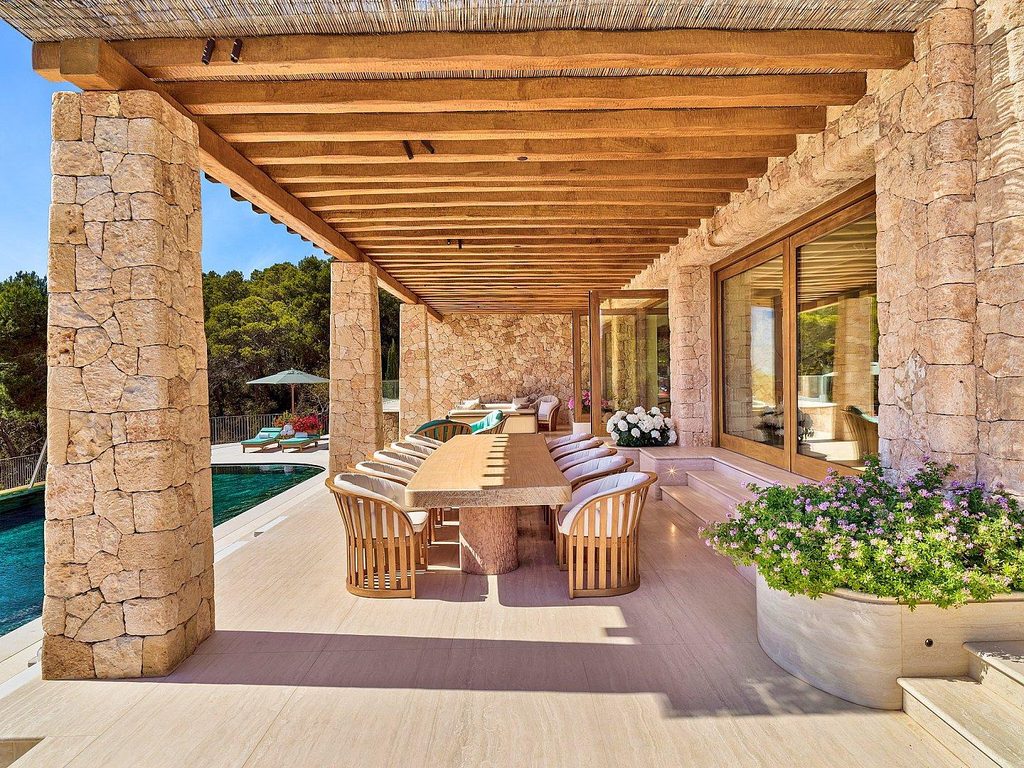
A property does not need every luxury feature to be comfortable or appealing. The right combination depends on the location, intended guests, maintenance requirements, and available budget.
1. Outdoor Living Space
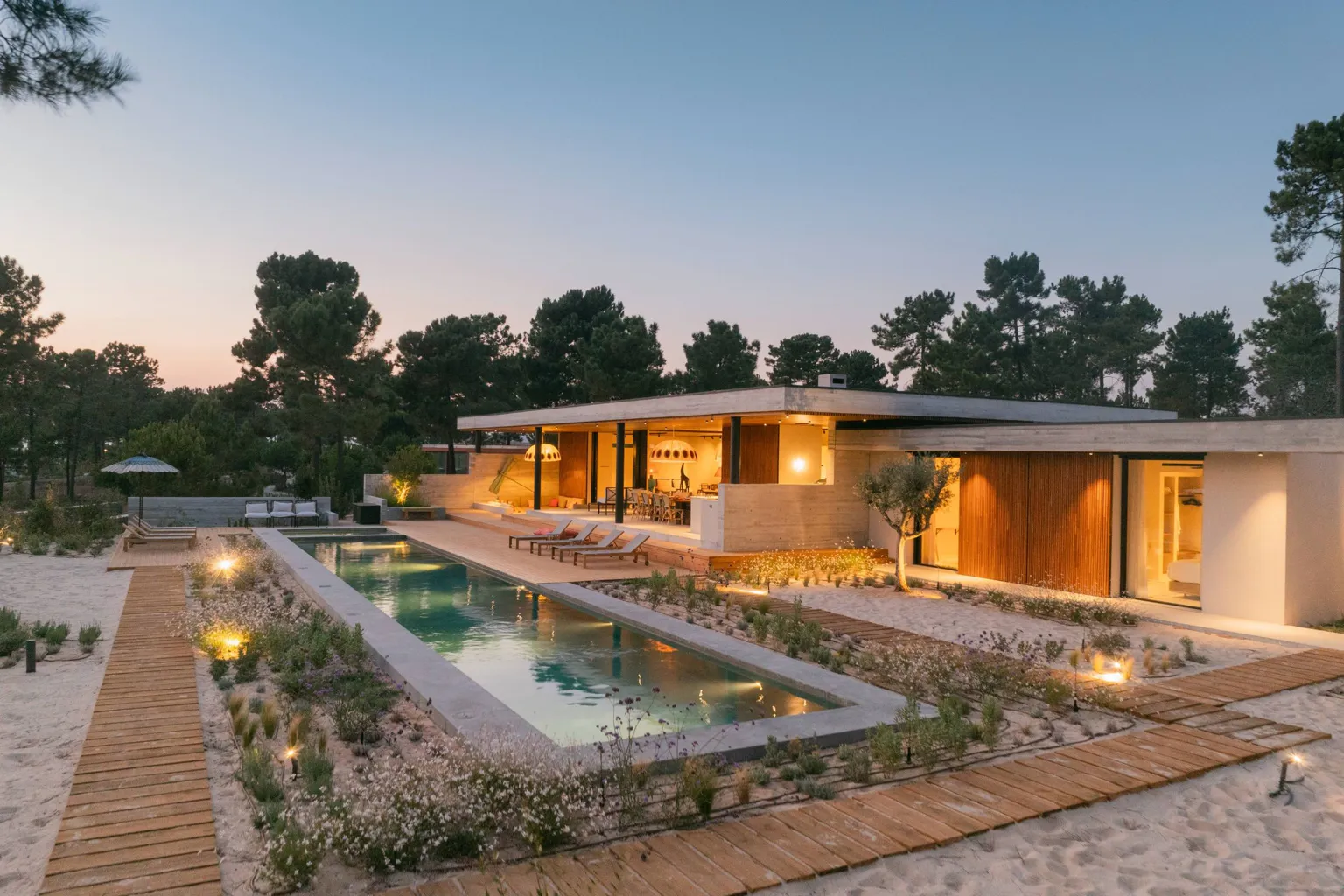
Terraces, balconies, gardens, courtyards, and shaded dining areas can make a property more enjoyable, particularly in warmer climates. A well-designed outdoor space provides room for meals, reading, socialising, and relaxing without requiring elaborate facilities.
Look at how the outdoor areas are positioned. Shade during the hottest part of the day, suitable lighting, privacy from neighbouring properties, and practical access from the kitchen can all improve usability.
2. Swimming Pools and Wellness Facilities

A private swimming pool can be a major attraction for families and groups. Hot tubs, fitness rooms, and wellness spaces may also appeal to particular audiences.
Nevertheless, these features bring additional responsibilities. Owners need to account for cleaning, repairs, water use, safety measures, and any applicable local requirements. A pool should be evaluated as both an amenity and a continuing expense.
3. Bedroom Layout and Privacy
The total bedroom count does not tell the whole story. Consider the number of bathrooms, sleeping arrangements, storage space, and whether guests can enjoy privacy when travelling together.
A property with several bedrooms arranged around shared living areas may suit a large family. A group of couples may prefer bedrooms with individual bathrooms and some separation between sleeping spaces.
4. Kitchen and Indoor Comfort
A functional kitchen can make longer stays easier and reduce the need to eat out for every meal. Modern appliances, adequate preparation space, and a comfortable dining area are useful features.
Air conditioning, heating where necessary, ventilation, reliable internet, and laundry facilities also deserve attention. These everyday conveniences can matter more than decorative features that look impressive in photographs.
5. Location and Accessibility
A sea view may be attractive, but it should not be the only consideration. Think about grocery shops, healthcare facilities, public transport, beaches, restaurants, and the condition of local roads.
Check whether the property is accessible for older visitors or people with limited mobility. Stairs, steep paths, uneven surfaces, and distant parking can affect who can comfortably use the home.
Understanding the Holiday Rental Business
A holiday property can sometimes generate income when the owner is not using it. However, rental performance depends on more than the appearance of the house or the popularity of the destination.
The first step is to identify the likely audience. A large villa may appeal to extended families or groups, while a smaller house might suit couples or travellers seeking a longer stay. The property should offer practical benefits that match that audience.
Next, research comparable accommodation in the same area. Compare capacity, facilities, location, seasonality, cancellation policies, and actual availability rather than relying on the highest advertised nightly price.
How Seasonal Demand Affects Property Planning
Holiday demand often changes throughout the year. Coastal destinations may experience their busiest periods during warm-weather months, while some locations also attract visitors during spring and autumn.
This can affect both booking patterns and operating expenses. A property that attracts strong summer interest may experience quieter periods during the rest of the year.
Owners should prepare a realistic annual budget rather than multiplying a peak-season rate by every night of the year. Vacant periods, cleaning, maintenance, management fees, insurance, utilities, taxes, and booking costs all influence the final result.
Choosing Between Self-Management and Professional Management
Some owners manage guest communication, cleaning schedules, check-in arrangements, maintenance, and marketing themselves. Others hire a professional manager or use a specialist holiday-rental service.
Companies such as Le Collectionist provide an example of the luxury holiday sector, where curated accommodation and personalised guest services form part of the offering.
Before choosing a service, clarify its fees, responsibilities, owner reporting, guest support, maintenance arrangements, and contract terms. Also check who handles emergencies and whether the service operates throughout the year.
Professional management may reduce the owner’s workload, but it does not automatically guarantee bookings or profitability.
What Should Buyers Know Before Purchasing Abroad?
Buying a property in another country involves legal and financial considerations that may be unfamiliar to first-time international buyers. A careful review before signing a contract can help prevent expensive surprises.
Check Ownership and Legal Status
Ask an independent local property lawyer to verify the seller’s ownership, title records, outstanding claims, planning permissions, and any restrictions affecting the property.
If renovations or extensions have been completed, confirm that the necessary approvals were obtained. A visually impressive building may still have unresolved legal or planning issues.
Understand Holiday Rental Regulations
Permission to purchase a property does not necessarily mean permission to operate it as a short-term rental.
Requirements can vary by country, municipality, and property type. Some areas require licences or registration, while others impose limits on short-term letting or introduce specific obligations for owners.
Verify the rules applicable to the exact address before basing a financial plan on rental income.
Calculate the Full Cost of Ownership
The purchase price is only one part of the total expense. Buyers should investigate transaction taxes, legal fees, registration costs, insurance, utilities, repairs, property management, and recurring local charges.
Currency exchange can also affect the budget when income, purchase funds, and ongoing expenses are held in different currencies.
A useful financial plan includes a contingency reserve for unexpected repairs and periods when the property cannot be occupied or rented.
Investigate Environmental and Maintenance Risks
Coastal properties may face salt-air corrosion, moisture, and exposure to severe weather. Rural homes may require additional attention to access roads, water supply, drainage, and landscaping.
Ask about the age and condition of roofs, plumbing, electrical systems, windows, and outdoor structures. An independent survey can help identify issues that are difficult to spot during a viewing.
How to Evaluate a Property’s Long-Term Value
A desirable holiday destination does not automatically make every property a good investment. Long-term value depends on the specific location, purchase price, property condition, demand, local supply, and future costs.
Start by researching comparable properties and recent transactions where reliable information is available. Asking prices can be useful for comparison, but they do not prove what buyers have actually paid.
Next, consider the local economy and infrastructure. Transport connections, access to services, planning decisions, environmental conditions, and the character of the surrounding community can influence the property’s future appeal.
Rental income should be assessed separately from potential price appreciation. These are different financial outcomes, and neither is guaranteed.
It is also worth considering resale flexibility. A property that suits a wider range of buyers may have a different risk profile from a highly specialised residence with unusual maintenance requirements or limited access.
For anyone purchasing primarily for personal enjoyment, the financial assessment should also reflect how often the home will realistically be used and whether the total cost is affordable without relying on optimistic rental assumptions.
How to Plan a Successful Holiday Home Search
A structured search makes it easier to compare properties without becoming distracted by attractive photographs or promotional descriptions.
Step 1: Define the purpose. Decide whether the property is primarily for personal holidays, occasional family use, rental income, or a combination of these goals.
Step 2: Establish a realistic budget. Include the purchase price or rental allowance, travel, utilities, maintenance, insurance, taxes, and other relevant costs.
Step 3: Choose the right destination. Compare accessibility, local services, climate, lifestyle, seasonal activity, and the kind of environment you prefer.
Step 4: Set practical requirements. List essential features such as bedrooms, bathrooms, parking, outdoor space, internet access, and accessibility.
Step 5: Compare properties carefully. Review photographs, floor plans, location details, included services, reviews where available, and the full terms of any proposed agreement.
Step 6: Verify important claims. Buyers should obtain independent legal and technical checks. Holidaymakers should confirm the booking conditions, total charges, cancellation terms, and what is included in the stay.
Step 7: Make a decision based on evidence. The right property is one that meets your needs and budget, not necessarily the one with the most impressive description.
The Benefits of Renting Before Buying

Spending time in a destination before purchasing a property can reveal details that are easy to miss during a short viewing.
Renting for a week or longer gives visitors a chance to experience the local environment at different times of day. They can assess road conditions, nearby amenities, noise, transport options, and the practical distance to beaches or town centres.
A rental stay can also help clarify which features genuinely matter. Someone who initially wants a large swimming pool may discover that walking access to a village is more valuable. Another visitor may realise that privacy, parking, or a quiet workspace is essential.
This approach does not replace legal, financial, or property inspections, but it can help buyers make a more informed decision about the location and style of home they want.
The Future of Holiday Homes and Luxury Property
The holiday-home market will continue to be influenced by changing travel preferences, local regulations, operating expenses, and the way people choose to spend their leisure time. However, the direction and pace of change will vary between destinations.
Properties that combine comfortable living spaces with practical amenities may appeal to travellers who want a home-like experience. Reliable connectivity can support longer stays, while energy-efficient equipment and thoughtful maintenance may help control some operating costs.
Personalised services are another part of the market. Guests may value assistance with transport, restaurant bookings, local activities, or household arrangements. The usefulness of these services depends on the destination and the expectations of the people staying there.
Sustainability also deserves attention. Water conservation, efficient cooling, responsible waste management, and respect for local communities can contribute to better property management. In areas experiencing pressure from tourism or limited water resources, these considerations are particularly important.
For property owners, the sensible approach is to focus on local evidence rather than broad predictions. Monitor relevant planning rules, rental demand, infrastructure developments, and comparable property performance before making long-term commitments.
Conclusion
A holiday home can offer a valuable combination of comfort, privacy, memorable experiences, and, in some circumstances, an opportunity to earn rental income. Yet the best choice depends on more than location or luxury features.
Understanding the property, researching the surrounding area, calculating the full costs, and checking local regulations are essential steps for both buyers and holidaymakers. Greece, Mallorca, and Ibiza each offer different settings and property styles, so comparing them according to personal priorities is more useful than assuming one destination suits everyone.
Whether you are planning your next holiday or considering an overseas property purchase, take time to evaluate the practical details alongside the appeal of the setting. A well-informed decision is more likely to meet your expectations over the long term.
Frequently Asked Questions
1. What should I look for when choosing a luxury holiday home?
Consider location, bedroom layout, privacy, outdoor space, kitchen facilities, internet access, accessibility, and the quality of maintenance. If you are buying, investigate ownership records, legal requirements, and ongoing expenses as well.
2. Is buying a holiday property abroad a good investment?
It can suit some buyers, but results depend on the purchase price, local demand, operating costs, applicable regulations, and future resale conditions. Rental income and property appreciation are not guaranteed, so independent financial and legal advice is advisable.
3. Which features can make a holiday rental more appealing?
Useful features may include a private pool, outdoor dining area, comfortable bedrooms, air conditioning, reliable internet, convenient parking, and access to local attractions. The most valuable combination depends on the destination and the intended guests.
4. How can I estimate the costs of owning a holiday home?
Add the purchase and transaction costs to expected annual expenses, including insurance, taxes, utilities, maintenance, cleaning, management fees, and any relevant rental compliance costs. Include a reserve for repairs and vacant periods.
5. Is it better to manage a holiday rental myself or hire a professional?
Self-management may suit owners who have enough time and live close to the property. Professional management can help with guest communication, maintenance coordination, and bookings, but fees and contractual responsibilities should be reviewed carefully.
6. Why should I research local regulations before buying?
Local rules may affect renovations, occupancy, property use, and short-term rental permissions. Confirming the requirements for the specific property helps you avoid building a financial plan around an activity that may not be legally permitted.
7. Should I rent a property in an area before buying there?
Renting first can help you understand the local lifestyle, transport, noise levels, seasonal changes, and access to essential services. It provides useful practical experience, although it does not replace professional property checks.
8. What is the most important factor in choosing a holiday property?
The most important factor is how well the property matches your intended use and financial circumstances. A beautiful home in the wrong location or with high maintenance costs may be less suitable than a simpler property that meets your actual needs.