
Best Cities for Real Estate Investment in the World (2026 Guide)
October 23, 2026
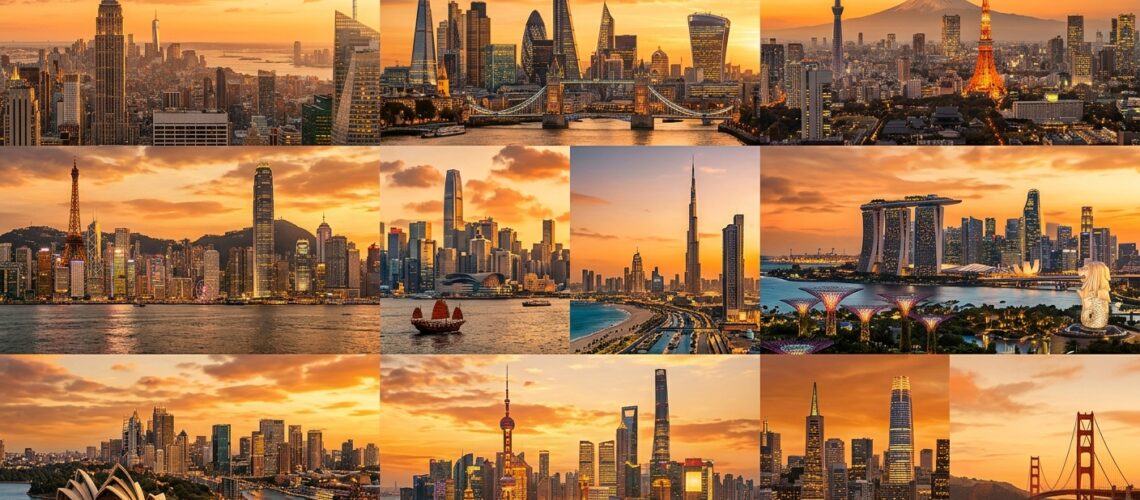
Quick answer: Dubai currently ranks as the top global city for property investment, scoring 82/100 due to tax-free rental income and strong capital appreciation. Miami, Athens, and Istanbul follow as strong contenders, while Jakarta, Cape Town, and Astana offer the highest rental yields worldwide, often exceeding 11%. The right city depends on whether an investor prioritizes capital growth, rental income, or affordability.
Real estate has always rewarded patience and location. But what qualifies as a “good location” changes year to year, shaped by currency shifts, migration trends, interest rates, and local regulation. A city that looked attractive five years ago might now carry higher entry costs or slower rental growth, while a market once overlooked suddenly climbs the rankings.
This guide breaks down the cities currently drawing the most investor attention, based on a mix of capital appreciation potential, rental yield data, and market fundamentals. Some of these cities, like Dubai and Miami, are known for strong overall market scores. Others, like Jakarta and Cape Town, stand out specifically for rental income rather than headline property values. Understanding the difference matters, because chasing the wrong metric can lead to disappointing returns even in a “hot” market.
Top Global Cities for Property Investment
Dubai, United Arab Emirates Rank Score: 82/100
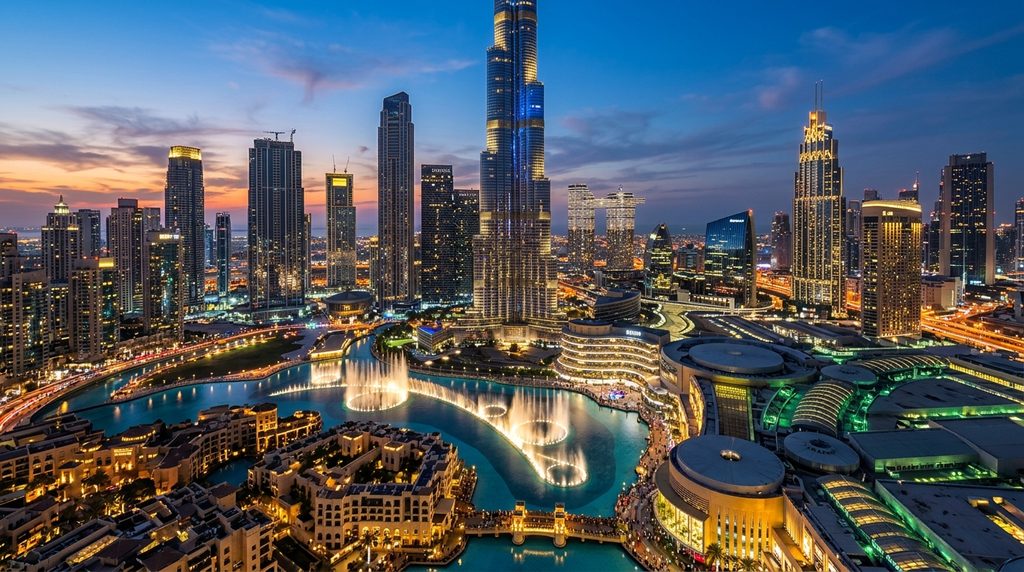
Dubai holds the top spot among global property markets, with a rank score of 82 out of 100. The emirate’s appeal rests on three pillars: high investor demand, tax-free rental income, and consistently strong capital appreciation.
The tax-free rental income structure is a significant differentiator. Investors in many other major cities lose a meaningful share of rental returns to income tax, which can turn a seemingly attractive yield into a mediocre one after deductions. Dubai avoids this entirely, which partly explains why international buyers—particularly from Europe, India, and Russia continue to funnel capital into the market.
That said, Dubai’s property market has a history of volatility. Prices surged dramatically in the mid-2000s, then crashed hard during the 2008 financial crisis, and dipped again around 2014 /2016. Investors considering Dubai should treat its current strength as part of a cycle rather than a permanent condition.
Miami, United States Rank Score: 76/100
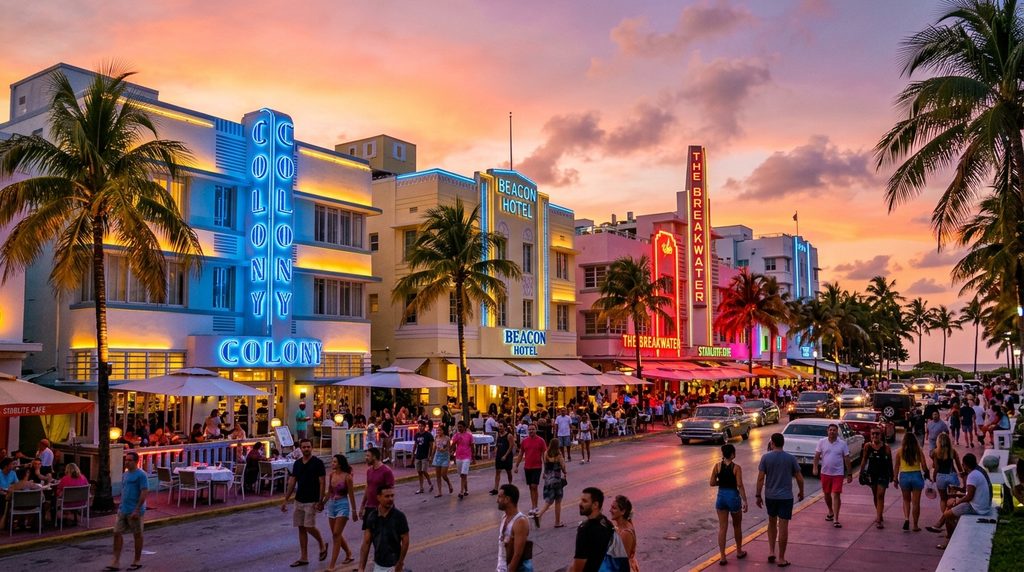
Miami scores 76 out of 100, driven by strong domestic and international migration, solid job growth, and high rental demand. The city has benefited from a steady influx of residents relocating from higher-tax states like New York and California, along with international buyers from Latin America seeking a stable, dollar-denominated asset.
Miami’s advantage over many other U.S. cities is its combination of lifestyle appeal and economic diversification. It’s no longer purely a tourism and retirement market; finance, tech, and logistics companies have expanded their presence there in recent years. For investors, this means rental demand isn’t solely tied to one industry’s health.
The trade-off is entry price. Miami real estate carries a higher cost per square meter than most other cities on this list, which lowers rental yield as a percentage of purchase price even when rental demand is strong. Miami tends to suit investors prioritizing long-term appreciation over immediate cash flow.
Athens, Greece Rank Score: 74/100
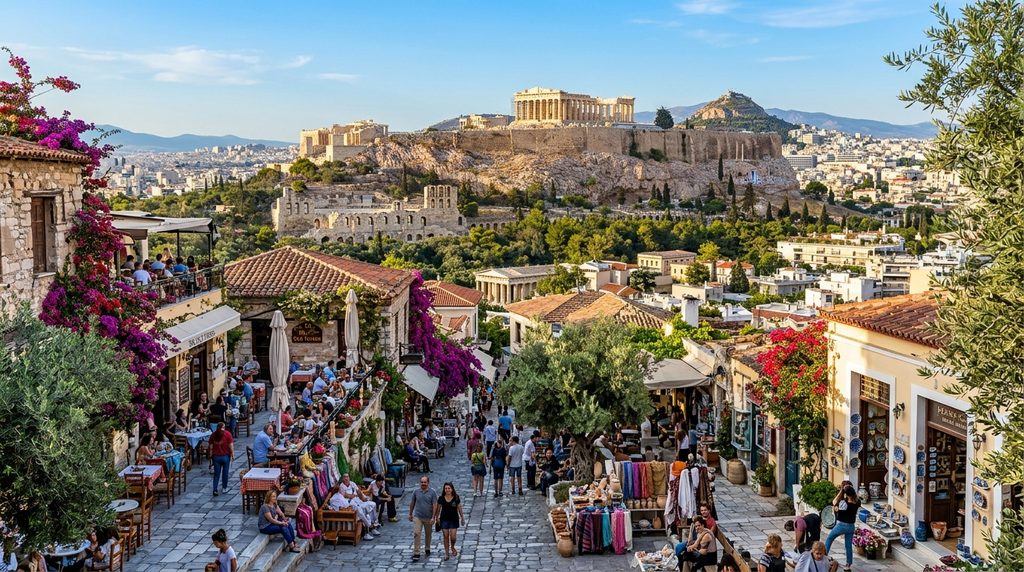
Athens ranks 74 out of 100, a score closely tied to Greece’s Golden Visa residency program and a broader recovery in property valuations following the country’s debt crisis.
Greece’s residency-by-investment program has attracted a steady stream of non-EU buyers, particularly from China, the Middle East, and parts of Asia, looking to secure European residency through property purchases. This demand has helped push prices up from the deeply depressed levels seen during the 2010s debt crisis, though valuations in many neighborhoods remain below pre-crisis peaks.
One consideration for investors: Golden Visa program rules have tightened in recent years, with minimum investment thresholds rising in popular areas like central Athens. Anyone considering Athens for residency purposes rather than pure investment returns should verify current program requirements before committing capital, since these rules can change with little notice.
Istanbul, Turkey Rank Score: 72/100
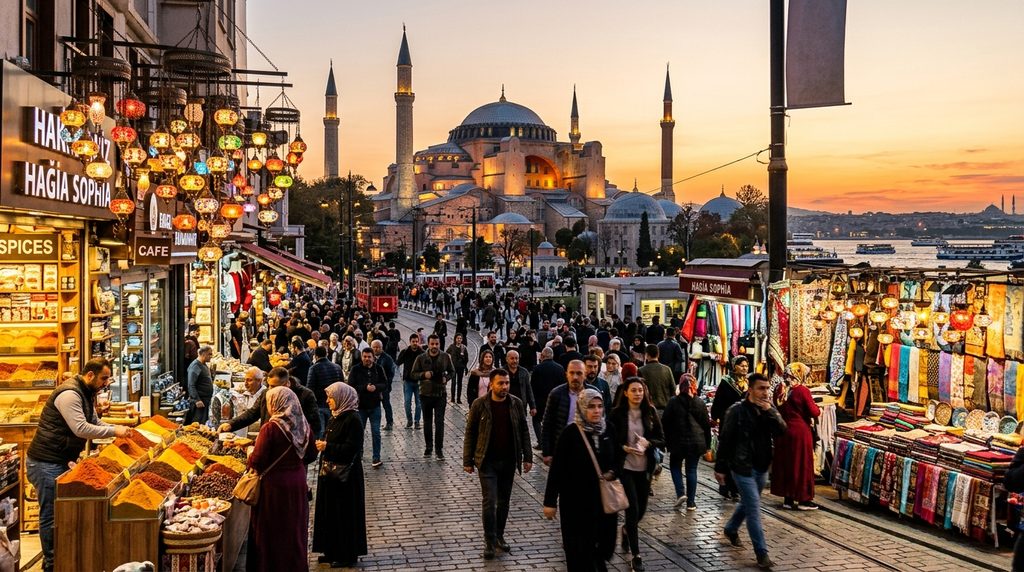
Istanbul scores 72 out of 100. The city’s geographic position serving as a literal bridge between Europe and Asia continues to draw active foreign buyer interest, particularly from Gulf states and Russia.
The challenge in Istanbul is financing. Mortgage rates in Turkey remain high, a byproduct of the country’s ongoing battle with inflation and currency instability. This pushes most foreign investment toward cash purchases rather than leveraged ones, which changes the math considerably. An investor who can buy outright may still find attractive entry prices in lira terms, but anyone counting on local financing will likely find the costs prohibitive.
Currency risk is the other major factor. The Turkish lira has experienced significant depreciation against the dollar and euro over the past several years. Foreign investors need to weigh whether local property appreciation outpaces currency losses, since returns calculated in lira can look very different once converted back to a home currency.
Bangkok, Thailand

Bangkok doesn’t carry the same headline rank score in this dataset, but it remains a consistent choice for investors seeking affordability. Entry prices per square meter are low relative to other major Asian and global cities, and tenant demand has stayed steady, supported by both local renters and the city’s large expatriate population.
Bangkok works well for investors with a longer time horizon and lower initial capital, especially those comfortable navigating Thailand’s foreign ownership restrictions, which generally limit foreigners to owning condominium units (not land or houses) and cap foreign ownership at 49% of units in any given condo building.
Jakarta, Indonesia Rental Yield: ~12.00%
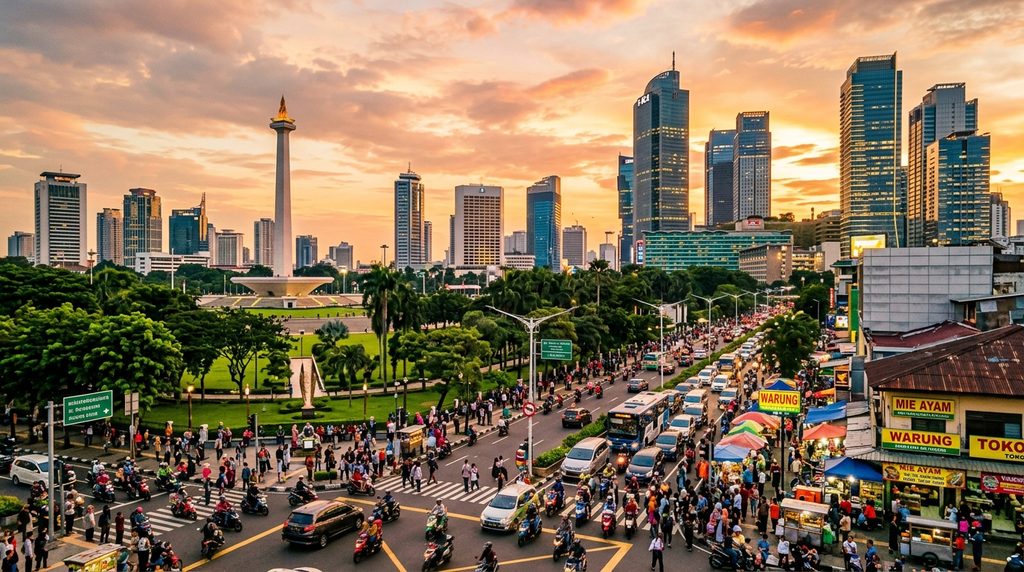
Jakarta led global rental yields at approximately 12.00%, with average apartment prices around $2,045 per square meter. This combination of low purchase price and high rental return makes Jakarta one of the most cash-flow-friendly markets on this list.
High yields in emerging markets like Jakarta often come with trade-offs that don’t show up in a simple yield calculation. Property management from abroad can be more complex, currency fluctuations in the Indonesian rupiah add risk, and liquidity the ease of eventually selling the property tends to be lower than in established Western markets. Choose Jakarta if rental income is the primary goal and you’re prepared to manage (or hire local help to manage) the operational side of ownership.
Cape Town, South Africa Rental Yield: ~11.53%
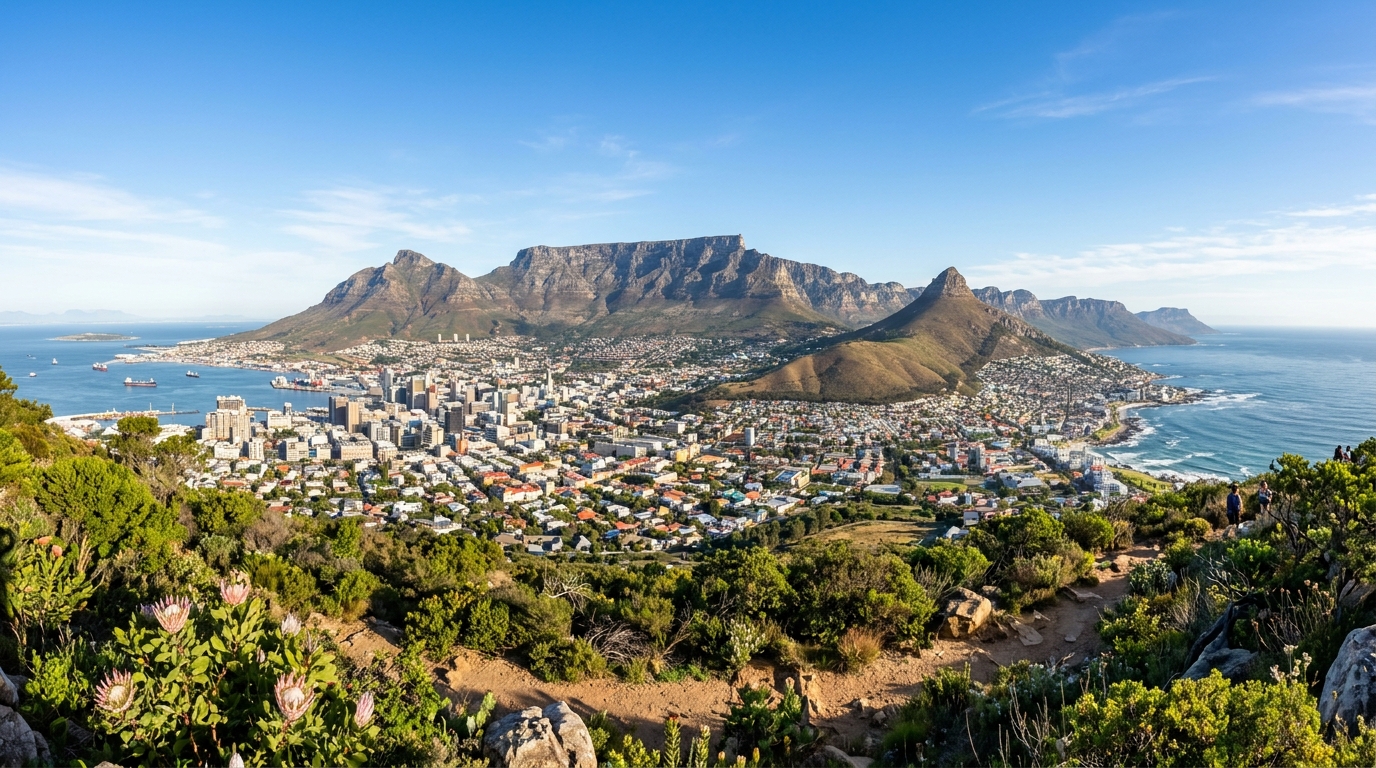
- Cape Town offers gross rental yields around 11.53%, with average prices near $2,037 per square meter, placing it close behind Jakarta in income potential.
- Cape Town’s rental demand is supported by tourism, a growing remote-work population, and limited housing supply in desirable neighborhoods like the City Bowl and Atlantic Seaboard. South Africa’s currency, the rand, has shown long-term depreciation against major currencies, which is a factor worth weighing for investors converting returns back to dollars or euros. As with Jakarta, Cape Town suits investors focused on yield rather than guaranteed currency-adjusted appreciation.
Astana, Kazakhstan Rental Yield: ~11.15%
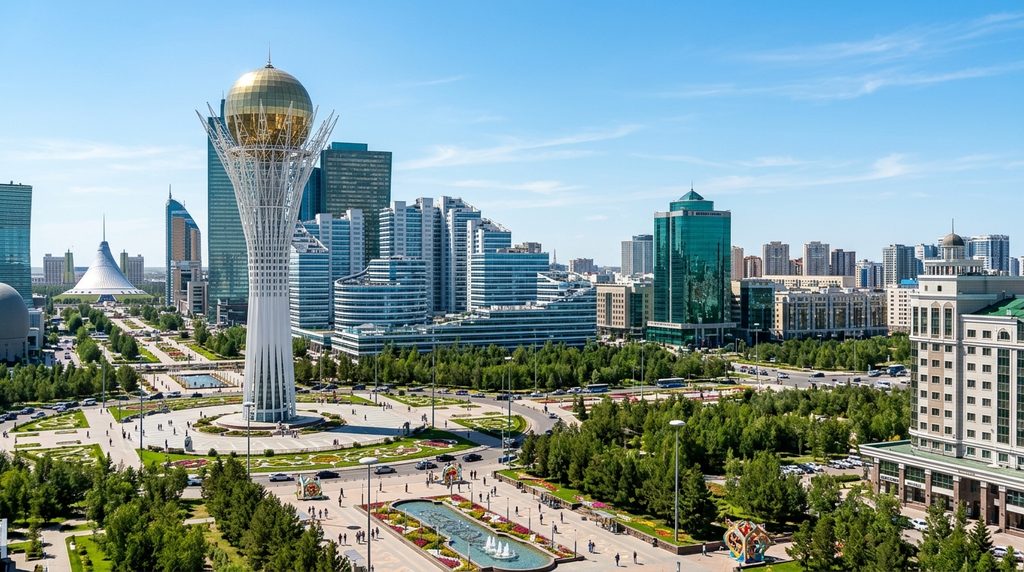
Astana rounds out the high-yield group with gross rental yields around 11.15% and notably low entry costs near $1,351 per square meter the cheapest among the cities on this list.
The low entry price is attractive for investors with limited capital who still want yield-focused exposure to an emerging market. Astana’s market is smaller and less liquid than cities like Dubai or Miami, meaning fewer buyers and sellers are active at any given time. This can make it harder to exit a position quickly if circumstances change.
What Makes a Great Property Investment Destination?
The cities above score well for different reasons, which highlights an important point: there’s no single formula for a “great” real estate market. Instead, a handful of recurring factors tend to separate strong markets from weak ones.
Tax treatment matters as much as price. Dubai’s tax-free rental income is a structural advantage that no amount of price appreciation elsewhere can fully replicate. Investors should calculate after-tax returns, not just gross rental yield, before comparing cities.
Demand drivers need to be diverse. Miami’s growth isn’t tied to a single industry, which makes its rental demand more resilient than a market dependent on one sector, like tourism alone. Cities reliant on a narrow economic base are more vulnerable to downturns.
Currency stability affects real returns. A market can show an impressive yield on paper, but depreciation in the local currency can offset a large part of the income once converted back to an investor’s home currency. This is especially relevant for emerging markets like Istanbul, Jakarta, and Cape Town.
Liquidity determines flexibility. Established markets like Miami and Dubai generally offer easier exits than smaller markets like Astana. Investors who may need to sell within a few years should weigh liquidity heavily, even if it means accepting a lower yield elsewhere.
Policy stability reduces surprise risk. Programs like Greece’s Golden Visa can change eligibility rules with little warning, directly affecting the value of a planned investment strategy. Checking the current rules before purchase—not relying on outdated information is a basic but often skipped step.
Smart Investment Strategies for 2026
Given these varying factors, a one-size-fits-all strategy doesn’t hold up well across global markets. A few approaches tend to work better depending on an investor’s goals.
For capital appreciation, prioritize cities with strong, diversified demand. Dubai and Miami fit this profile. Both benefit from international buyer interest and economic activity beyond a single industry, which supports long-term price growth even through short-term volatility.
For rental income, look toward higher-yield emerging markets—with eyes open. Jakarta, Cape Town, and Astana offer yields well above what most developed markets can match. Choose these if cash flow matters more than currency-adjusted appreciation, and budget for the added complexity of managing property from a distance.
For residency-linked investment, verify program terms before purchase. Athens remains attractive for buyers seeking EU residency, but program thresholds and requirements shift. Confirm the current rules directly with legal counsel in that jurisdiction rather than relying on older articles or secondhand summaries.
For affordability-focused entry, Bangkok and Astana offer lower capital requirements. These markets suit investors building a portfolio gradually rather than committing large sums to a single higher-cost city like Miami or Dubai.
Diversification across currencies and regions reduces single-market risk. Holding property in only one currency ties an investor’s returns to that currency’s performance. Spreading investment across a few markets say, one tax-free high-growth market like Dubai alongside one high-yield emerging market like Jakarta can balance appreciation potential against income and reduce exposure to any single economy’s downturn.
Choosing the Right City Comes Down to Your Goals, Not the Highest Score
- No single city on this list is objectively “best” for every investor. Dubai’s tax-free income and strong appreciation suit investors focused on long-term capital growth.
- Jakarta, Cape Town, and Astana suit those prioritizing rental income and willing to accept more currency and liquidity risk. Athens suits buyers with residency goals attached to their investment. Miami suits those wanting U.S.-based stability with strong fundamentals, even at a higher entry cost.
- Before committing capital to any of these markets, review current tax treatment, financing availability, and any residency program rules directly with local professionals, since conditions in these markets can shift faster than published rankings reflect.
- A market that looks strong on paper today can change meaningfully within a year or two, which is exactly why ongoing due diligence matters more than any single ranking.
Frequently Asked Questions
Which city currently has the highest overall rank score for real estate investment?
Dubai holds the top rank score at 82 out of 100, driven by tax-free rental income, strong investor demand, and consistent capital appreciation.
Which cities offer the highest rental yields?
Jakarta leads with yields around 12.00%, followed by Cape Town at approximately 11.53% and Astana at roughly 11.15%. These markets combine lower purchase prices with strong rental demand relative to property value.
Is Dubai real estate risky for foreign investors?
Dubai’s market has experienced notable volatility in the past, including a sharp downturn after 2008 and another dip between 2014 and 2016. Current conditions are strong, but investors should view Dubai’s growth within a historical cycle rather than assuming indefinite appreciation.
What’s the difference between investing for appreciation versus rental yield?
Appreciation-focused markets like Dubai and Miami tend to have higher entry prices but stronger long-term price growth potential. Yield-focused markets like Jakarta and Cape Town offer lower entry costs and higher rental income as a percentage of property value, often at the cost of lower liquidity and higher currency risk.
Are there risks to investing in Athens through the Golden Visa program?
Yes. Greece has adjusted the program’s investment thresholds in certain areas in recent years. Investors relying on residency benefits should confirm current requirements with legal counsel before purchasing, since rules can change between planning and closing.
Why does Istanbul have high foreign interest despite high mortgage rates?
Istanbul’s position between Europe and Asia attracts foreign buyers, particularly cash purchasers from Gulf states and Russia. High local mortgage rates, tied to Turkey’s inflation environment, push most foreign investment toward outright purchases rather than financed ones.