
Top Real Estate Investment Strategies for 2026
October 20, 2026

Real estate remains one of the most reliable paths to long-term wealth, but success depends on choosing the right strategy for your goals, budget, and risk tolerance. Whether you’re a first-time investor or looking to expand an existing portfolio, 2026 brings new opportunities shaped by shifting interest rates, rental demand, and renovation trends. This guide breaks down the foundations of real estate investing, how to pick the strategy that fits you, and what it takes to succeed in the popular buy-renovate-sell model.
Foundations of Real Estate Investing

Choosing the right property and location is an important step toward building a successful real estate investment portfolio.Copy filenameBefore diving into any strategy, it’s essential to understand the basics that underpin every successful investment. Real estate value is driven by location, market demand, property condition, and financing terms. Investors need a clear picture of cash flow, appreciation potential, and the costs of ownership, including taxes, insurance, and maintenance.
A solid foundation also means knowing your financing options, from conventional mortgages to hard money loans, and understanding how leverage can amplify both gains and risks. Building a financial cushion before investing protects you from unexpected repairs or vacancies, and researching local market trends helps you spot undervalued areas poised for growth.
Choose the Right Real Estate Investment Strategy

Evaluate rental income, potential appreciation, financing costs, and property expenses before investing.Copy filenameNot every strategy suits every investor. Rental properties offer steady passive income and long-term appreciation but require active management or a property manager. Real estate investment trusts (REITs) provide exposure to real estate markets without the hassle of direct ownership, making them ideal for hands-off investors.
House flipping and wholesaling appeal to those seeking faster returns, though they come with higher risk and require strong market knowledge. Short-term rentals, like vacation properties, can generate higher yields in tourist-heavy areas but demand more active oversight. The right choice depends on your available capital, time commitment, and comfort with risk.
Purchasing, Renovating, and Selling Houses
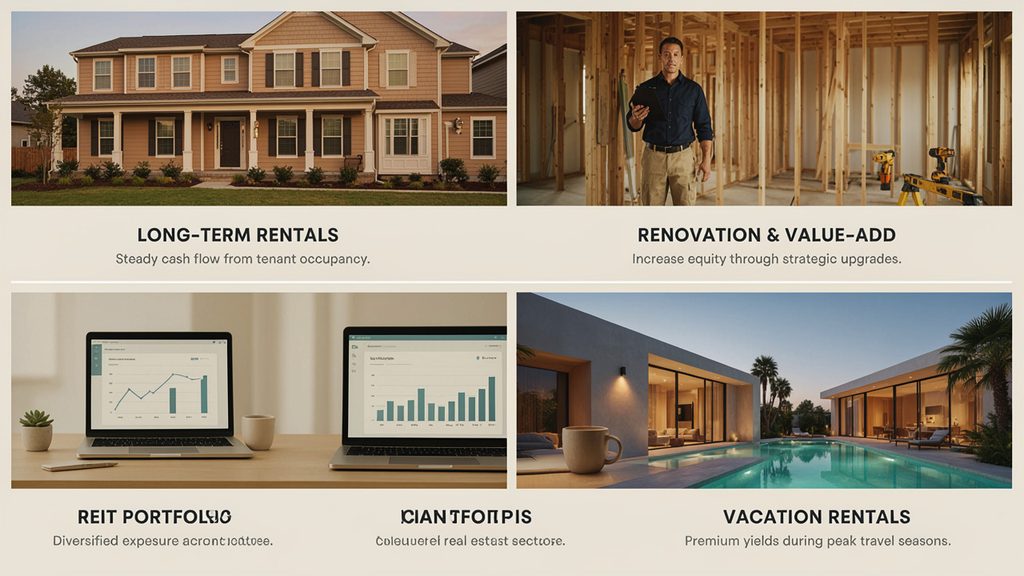
Compare investment costs, potential returns, risks, and management requirements before selecting a strategy.Copy filenameThe buy-renovate-sell approach, often called house flipping, can be highly profitable when done carefully. The process starts with identifying undervalued properties in desirable neighborhoods, often those needing cosmetic or structural work. A thorough inspection and accurate repair cost estimate are critical before making an offer.
Once purchased, prioritize renovations that boost resale value most, such as kitchen and bathroom updates, fresh paint, and improved curb appeal. Staying within a realistic budget and timeline prevents costs from eating into profits. Finally, pricing the renovated home competitively and marketing it effectively ensures a quicker sale and a stronger return on investment.
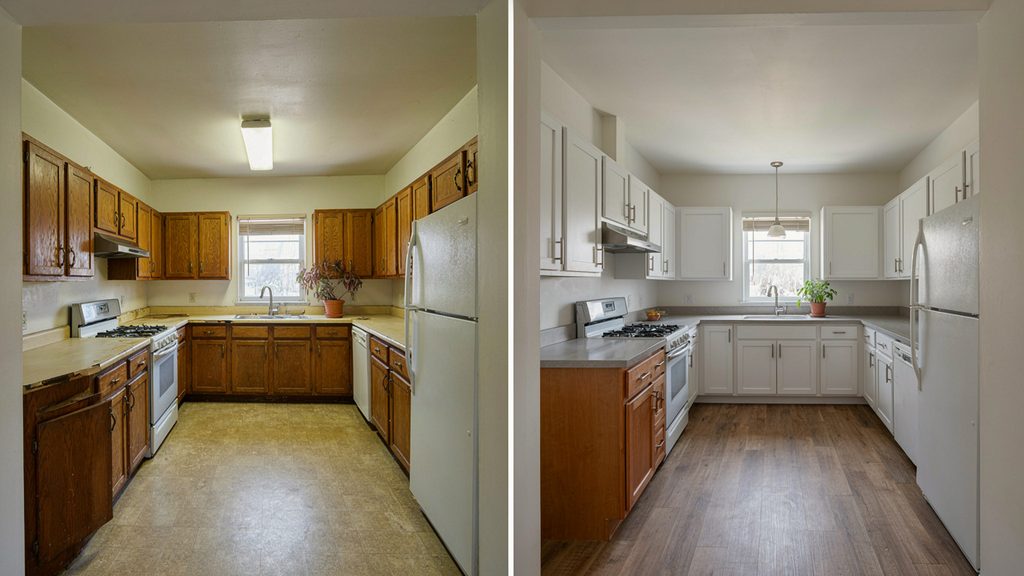
Well-planned kitchen improvements can make a property more appealing to buyers, although actual returns depend on local market conditions and renovation costs.Copy filenameConclusion: Shape Your 2026 Investment with Confidence
Real estate investing in 2026 offers diverse paths to building wealth, from steady rental income to the fast-paced world of house flipping. By understanding the fundamentals, carefully selecting a strategy aligned with your goals, and executing renovations wisely, you can position yourself for lasting success. The key is to start with research, stay disciplined with budgets, and adapt as market conditions evolve.