
How to Buy, Renovate, and Sell Houses for Profit
October 22, 2026
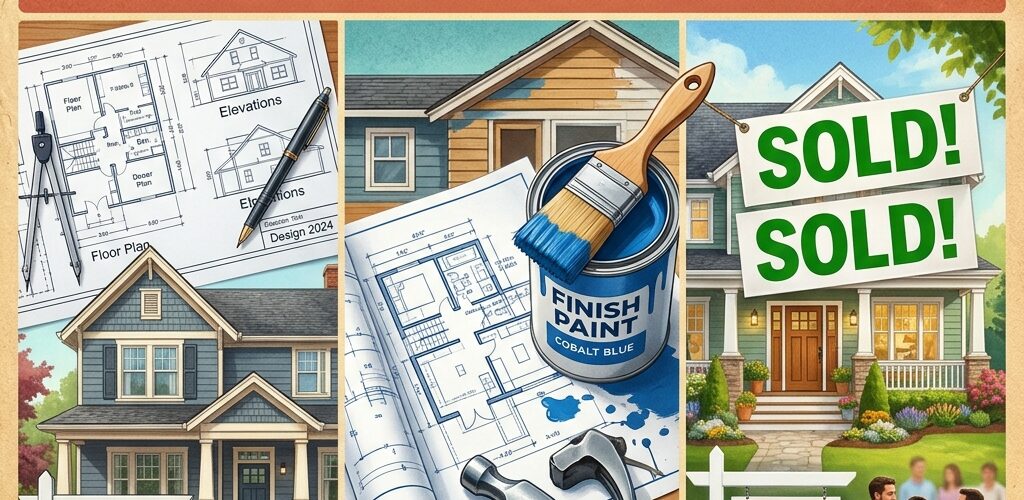
Quick answer: House flipping involves purchasing an undervalued property, renovating it strategically, and reselling it for a profit. Successful flippers research local market values, budget conservatively for repairs, prioritize high-return upgrades like kitchens and outdoor living spaces, and account for holding costs, taxes, and unexpected expenses before listing the home for sale.
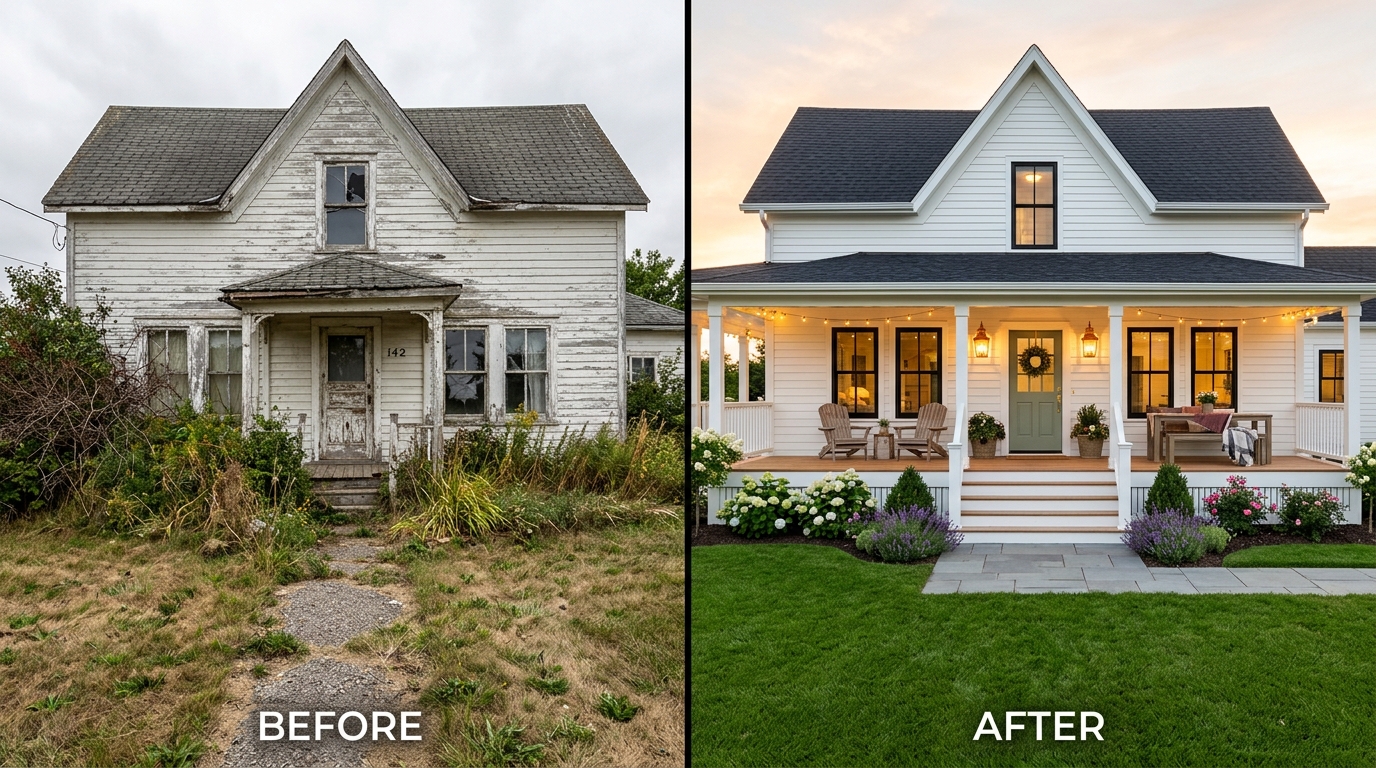
Buying a rundown property, fixing it up, and selling it for more than you paid sounds simple on paper. In practice, it’s a business that rewards careful math and punishes guesswork. Margins in real estate flipping have narrowed in many markets over the past few years as material costs, interest rates, and competition from experienced investors have all climbed. That doesn’t mean the opportunity has disappeared it means the people who succeed are the ones who treat every purchase like a spreadsheet exercise first and a design project second.
This guide walks through the full process: finding the right property, running realistic numbers, prioritizing renovations that actually pay off, and preparing the home for a sale that closes quickly and at a strong price.
What does it actually take to buy, renovate, and sell a house profitably?
Profitable house flipping depends on three things working together: buying below market value, controlling renovation costs, and timing the sale to current demand. Miss on any one of these, and the math falls apart quickly. A property purchased at a discount can still lose money if renovations run over budget or if the home sits on the market for months while carrying costs accumulate.
Why the purchase price matters more than the renovation
Many first-time flippers focus their energy on design choices countertops, paint colors, fixtures before they’ve confirmed the deal makes financial sense. The purchase price is the foundation everything else is built on. A common industry guideline is the “70% rule”: offer no more than 70% of the home’s after-repair value (ARV), minus estimated renovation costs. For example, if a home’s ARV is $300,000 and repairs will cost $40,000, the maximum purchase price under this rule would be $170,000.
This rule is a starting point, not a guarantee. In competitive markets, bidding above 70% of ARV can still work if renovation costs are lower than estimated or if the local market is appreciating quickly. In slower markets, even a 70% purchase can leave little room for error.
How do you find undervalued properties worth renovating?
Finding a property with genuine upside requires looking beyond the standard listing photos. Foreclosures, estate sales, and homes that have sat on the market for 60-plus days often carry more negotiating room than freshly listed properties. Working with a real estate agent who specializes in investment properties can also surface off-market opportunities before they’re widely advertised.
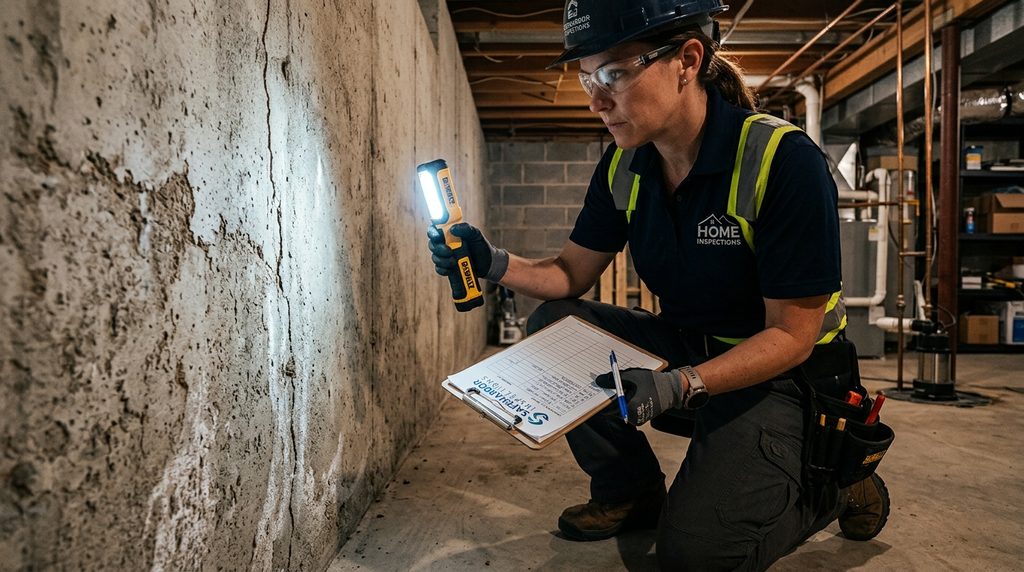
A property inspection is non-negotiable. Cosmetic issues outdated kitchens, worn carpet, dated wallpaper are inexpensive to fix and often scare away traditional buyers, which keeps the purchase price lower. Structural issues, on the other hand, including foundation cracks, roof damage, or outdated electrical systems, can turn a promising deal into a financial sinkhole. Budget extra time and money for an inspector who can distinguish between the two before you make an offer.
What renovations give you the best return on investment?
Not every upgrade pays for itself at resale. According to national remodeling cost-versus-value data published annually by Remodeling Magazine, exterior and kitchen improvements consistently rank among the highest-returning projects, while high-end additions like sunrooms or swimming pools tend to return less than half their cost.
Kitchens and bathrooms
These 2 rooms sell houses. Buyers walk through a kitchen and bathroom mentally calculating how much they’d need to spend to update it themselves and they’ll discount their offer accordingly if the rooms look dated. A minor kitchen remodel (new cabinet fronts, updated countertops, modern hardware) typically returns a higher percentage of its cost than a full gut renovation, since buyers respond more to a fresh, functional look than to luxury finishes they didn’t choose themselves.
Curb appeal and outdoor living spaces
First impressions start before a buyer opens the front door. Landscaping, fresh exterior paint, and an updated front entry all influence a buyer’s perception of the home’s overall condition. Outdoor living spaces have also become a bigger factor in resale value since more buyers prioritize space to entertain at home.
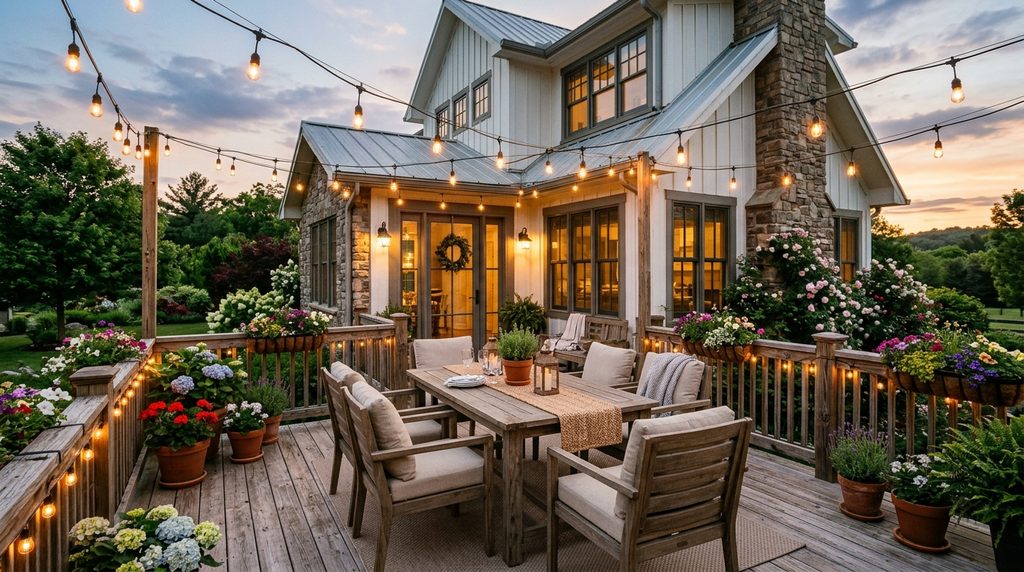
A well-built deck is one of the more cost-effective ways to extend a home’s usable square footage. Farmhouse deck ideas think natural wood tones, simple railings, string lighting, and built-in bench seating tend to appeal to a broad range of buyers because the look reads as warm and low-maintenance rather than trend-specific. Composite decking costs more upfront than pressure-treated wood but requires less maintenance, which can be a selling point for buyers who don’t want ongoing upkeep. Choose composite if the property will sit on the market for a while or if the local climate is hard on wood; choose natural wood if the budget is tight and the home will sell quickly in a warm, dry climate.
What to skip
Highly personalized upgrades bold tile patterns, unusual paint colors, built-in features tailored to one lifestyle rarely return their full cost, because they narrow the pool of buyers who can picture themselves living there. Neutral, broadly appealing finishes almost always outperform distinctive design choices when the goal is resale.
How do you budget realistically for a renovation?
Set aside a contingency fund of 15–20% above your initial renovation estimate. Older homes, in particular, tend to reveal hidden problems once walls are opened outdated wiring, plumbing that doesn’t meet code, or water damage behind drywall. Flippers who skip this buffer often find themselves either cutting corners on quality or going over budget mid-project, both of which hurt resale value.
Get at least three contractor quotes before committing to major work, and ask each contractor for a detailed, line-item breakdown rather than a single lump sum. This makes it easier to compare bids accurately and spot anyone who’s underbidding to win the job, only to add costs later.

How long should you plan to hold the property before selling?
Most successful flips close within four to six months from purchase to final sale, though this varies by renovation scope and local market speed. Every additional month a property sits unsold adds carrying costs: mortgage interest, property taxes, insurance, and utilities. These costs quietly erode profit margins, which is why experienced flippers often prioritize speed over perfection during renovation a home that’s 90% ideal and sells in month two can outperform a home that’s flawless but sits unsold until month seven.
How do you prepare a renovated home for sale?
Once renovations are complete, professional staging and photography make a measurable difference in how quickly a home sells and at what price. Buyers increasingly browse listings online before ever stepping inside, so strong photos of the kitchen, primary bathroom, and any outdoor living space including a deck, if the home has one often determine whether a buyer schedules a showing at all.
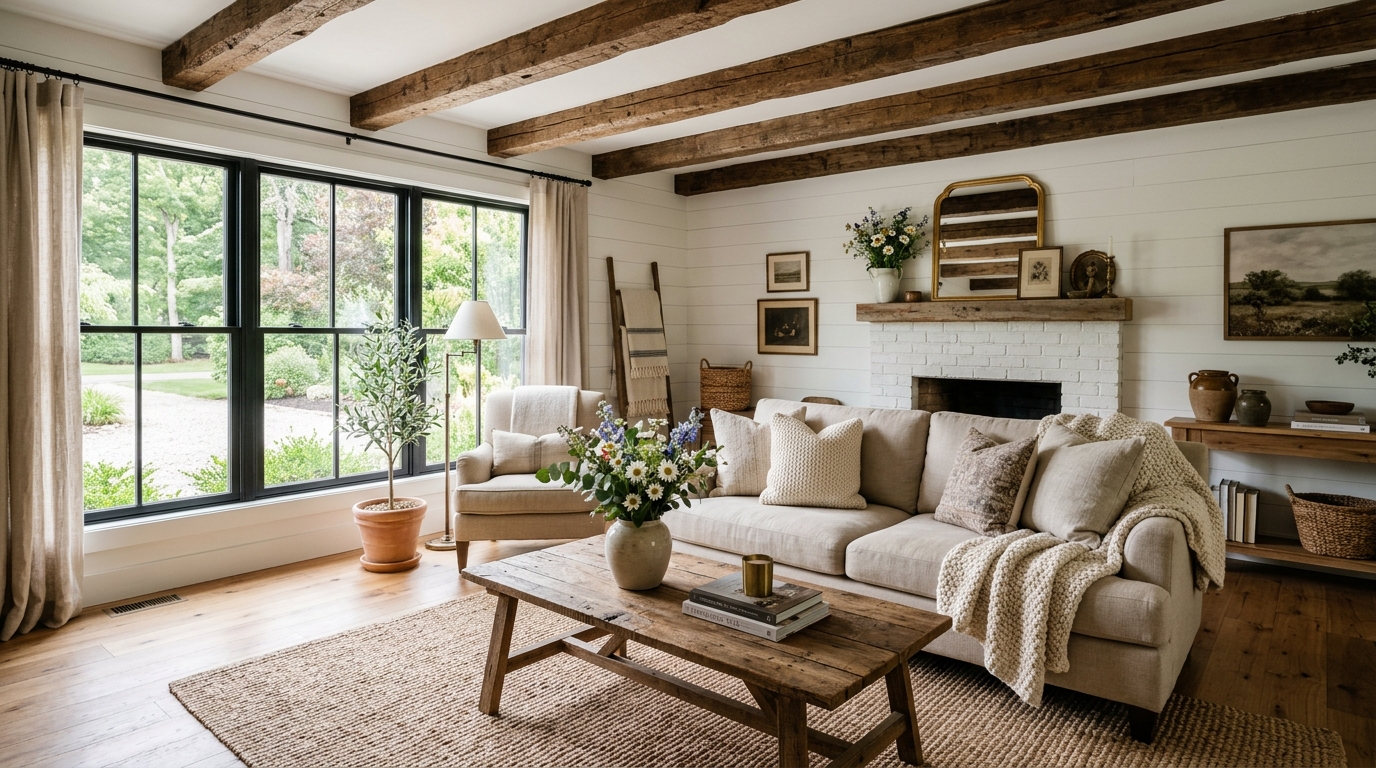
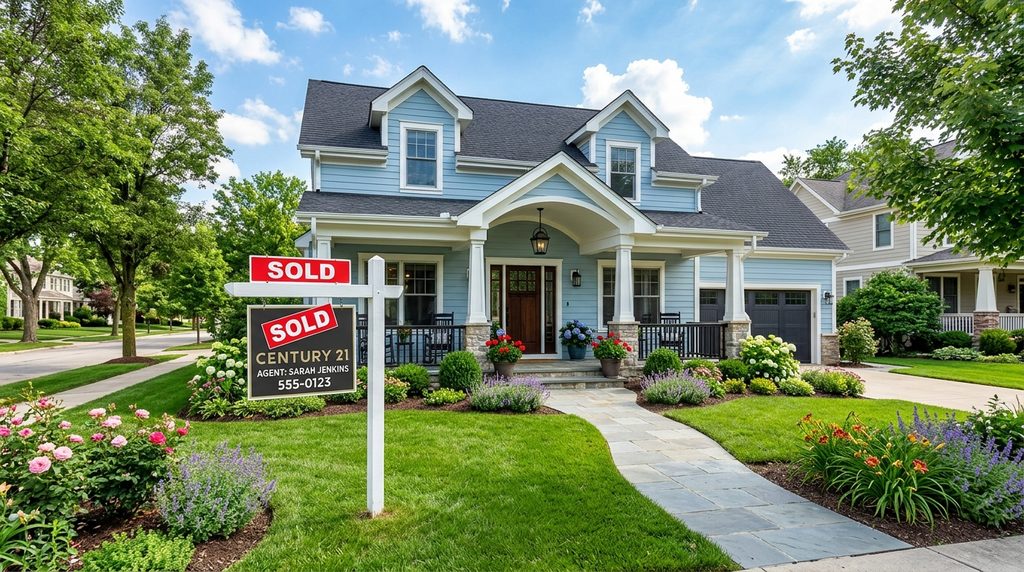
Pricing strategy also matters. An agent experienced in the local market can help set a price based on recent comparable sales, not just the total invested in renovations. Overpricing a flipped home to recoup every dollar spent often backfires, leading to price reductions that make buyers wonder what’s wrong with the property.
Getting the math right before the hammer swings
House flipping rewards discipline more than design talent. The investors who consistently profit are the ones who run conservative numbers before buying, prioritize renovations with proven returns, and resist the urge to over-customize a home that needs to appeal to the widest possible buyer pool. Before making an offer on any property, calculate the after-repair value, subtract a realistic renovation budget with a contingency buffer, and confirm the remaining margin justifies the risk and the months of carrying costs ahead.
Frequently Asked Questions
How much money do you need to start flipping houses?
Costs vary widely by market, but most flippers need enough capital or financing to cover the purchase price, renovation budget, and three to six months of carrying costs. Hard money lenders and private investors are common financing sources, though they typically charge higher interest rates than traditional mortgages.
How long does it take to renovate and sell a house?
Most flips take four to six months from purchase to closing, depending on the extent of renovations needed and how quickly the local market absorbs listings. Extensive structural repairs can extend this timeline significantly.
What are the biggest risks in house flipping?
The main risks include underestimating renovation costs, discovering structural problems after purchase, overpaying for the property, and market shifts that reduce the resale value before the home sells. Extended holding periods also increase financial risk through accumulating carrying costs.
Is it better to renovate everything or focus on key rooms?
Focusing renovation budgets on kitchens, bathrooms, and curb appeal including outdoor spaces like decks typically delivers a better return than spreading funds evenly across every room. Buyers weigh these areas most heavily when forming their impression of a home’s value.
Are there alternatives to traditional house flipping?
Some investors choose a “buy and hold” strategy, renting out a renovated property instead of selling it, which spreads returns over time rather than realizing a single profit at sale. Others pursue wholesaling, where they contract to buy a property and sell that contract to another investor without ever renovating it themselves.