
Global Real Estate Market Value 2026: Complete Guide
October 25, 2026
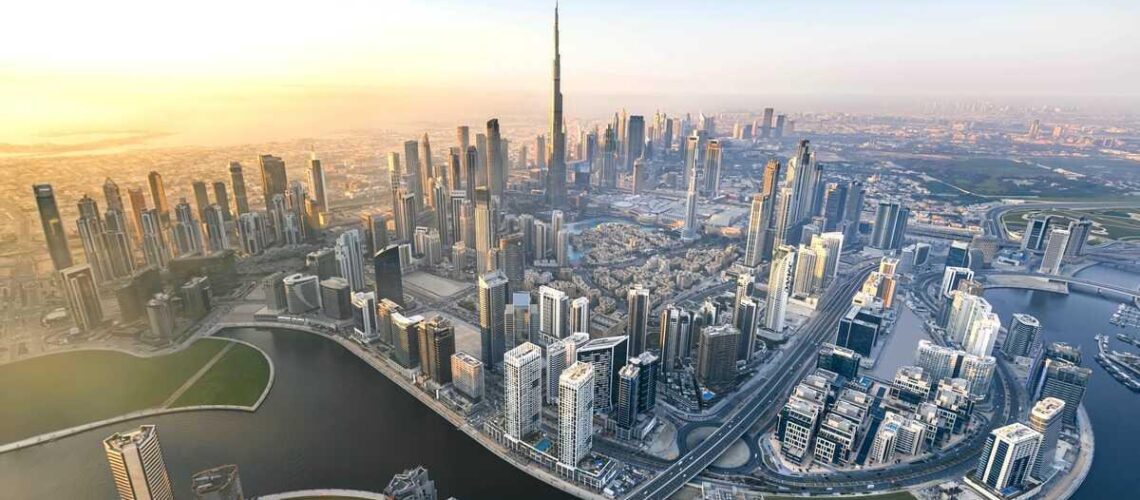
Global real estate is still one of the biggest and most powerful economic sectors in 2026. Property is important in wealth creation and economic development, from residential homes, luxury villas, commercial buildings, industrial buildings and agricultural land. Real estate is a key asset class that provided shelter, business operations, rental income, and long-term investment opportunities for millions of people around the world.
How much is actually the value of the worldwide real estate market in 2026? The answer is related to what is being measured. The total value of all property assets is not equal to the annual value of the sales, rents and leasing of property. This distinction is important for investors, homeowners, and members of the industry for making decisions.
The global real estate market was valued at around $393.3 trillion at the start of 2025, according to Savills. This includes land used for agriculture, commercial real estate and residential property. On the other hand, independent industry analysis projects that the global real estate market will be around $4.56 trillion by 2026.
The significance and size of a global property industry is evident from these figures and it remains a very significant sector of the international economy.
1. What will be the value of the global real estate market in 2026?
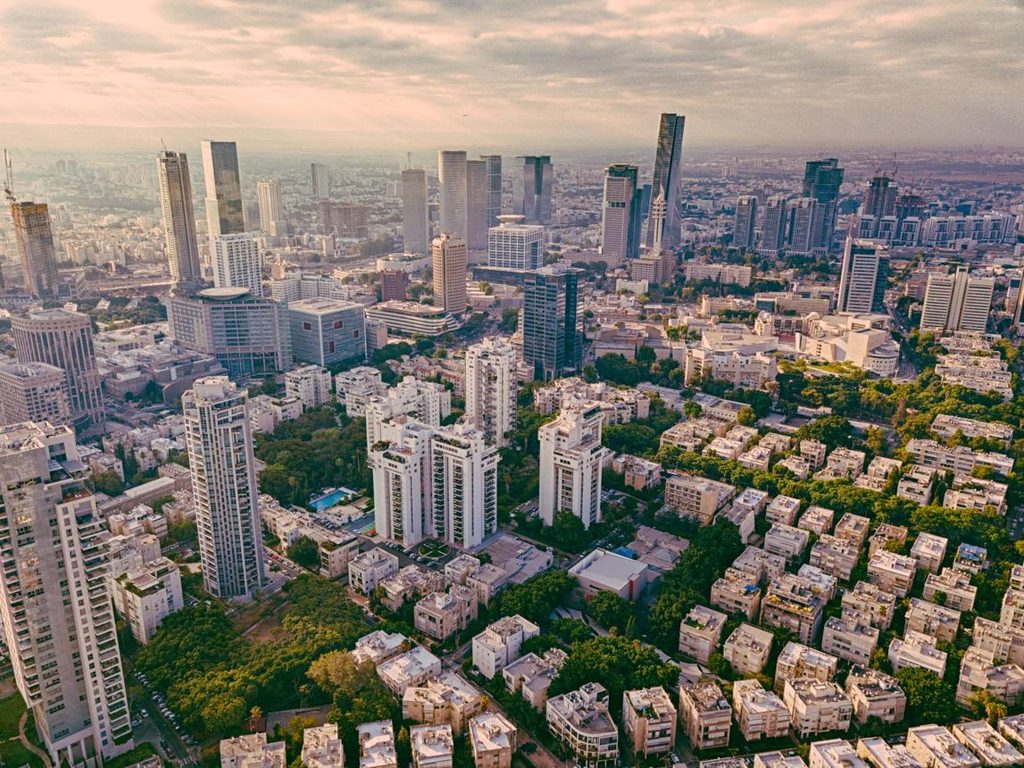
The global real estate market encompasses all major real estate categories, such as residential homes, apartments, office buildings, shopping centers, warehouses, hotels, and farmland.
One difference for 2026 is important: The total value of all real estate assets in the world, according to the most recent comprehensive valuation from Savills, is $393.3 trillion, as of the beginning of 2025. This is not an actual valuation of the end of 2026.
To get another view, according to Grand View Research, the real estate market is projected to grow to a value of $4.56 trillion by 2026 from $4.33 trillion in 2025. This is a measure of the market, not the value of the property assets, which already exist.
The size of the industry is determined by a number of major factors:
Population growth and formation of households.
- Urbanization and demand for housing.
- Growth of commercial property and businesses.
- International property investment.
Infrastructure development and economic growth.
Demand for rental homes and income-producing properties.
All these aspects combine to make real estate a crucial component of the international financial system.
2. Knowing about the various markets of Real Estate in the world.Knowing about the various segments of the Real Estate market.
There are a number of different categories of the worldwide property industry. Each segment caters to distinct needs and offers various groups of investors.
Residential Real Estate
Homes, apartments, condo, townhouses and luxury villas are all considered residential property. It’s the biggest asset class of real estate in the world.
At the end of 2024, global residential property was valued at around USD 286.9 trillion, according to Savills’ estimate. This also marked a 2.7% drop in the US dollar value of the global market, but residential property still dominated.
Population growth, income growth, home mortgage rates, home mortgage affordability, and the supply of new homes all affect housing demand.
Commercial Real Estate
Commercial real estate encompasses office buildings, shopping centers, retail buildings, hotel properties, and all others used for business purposes.
The global value of commercial real estate reached $58.5 trillion at the end of 2024, growing by 4.1% annually, Savills estimated.
This is a sector that offers opportunities via rental income, business leasing, property development and long-term investment.
Industrial and Logistics Real Estate
Industrial property is comprised of warehouses, distribution centers, manufacturing facilities and logistics buildings.
The development of e-commerce, international trade and supply chain operations has made these properties more important. Companies require strategically positioned facilities for both storage and product manufacture and distribution.
The data centre sector is also growing in significance as demand for cloud computing and AI infrastructure continues to rise.
38% of the rural area is classified as agricultural land.38% of rural area is classified under agricultural land.
Agricultural real estate refers to land that is used for farming and food production, as well as farmland and ranches.
At the end of 2024, Savills estimated the value of agricultural land worldwide at $47.9 trillion, representing a 7.9% increase per annum.
This is driven by a range of factors including population growth, food security, limited land availability, and agricultural productivity.
3. What are the top countries for real estate investment?
The real estate market is very different in different countries. The size of the population, economic development, property prices, urbanization and investment activity all have an impact on the value of national property markets.
China and the United States were the two biggest real estate markets by total property value according to Savills’ research from 2025.
China
Savills’ analysis suggested that China’s real estate value was around 23.5% of the global real estate market. It is one of the most important property markets in the world, with a large population and vast commercial development.
The housing market has not been immune from difficulties either in China, where the demand for housing has been a problem, as has been developer debt and residential values.
United States
Global real estate value was about 20.7% of which came from the United States. It’s sold for residential homes, commercial buildings, industrial sites, rental apartments, and luxury homes.
The interest of domestic and international investors is focused on major metropolitan areas like New York, Los Angeles, Miami, and Dallas.
Japan
The Japanese property market has been well established, backed by significant business centers, demand for urban housing, and commercial investments.
Tokyo continues to be a good place to invest in residential and commercial real estate.
Germany
Germany is a leading real estate market in Europe. It has a property sector including residential housing, office buildings, industrial properties and logistics properties.
Berlin, Munich, Hamburg and Frankfurt are key cities for property investment.
United Kingdom
The UK is a varied property market ranging from residential homes, commercial offices, retail buildings and rental properties.
London is still a prime international real estate market, and other cities have become significant markets for both residential and commercial investment.
The other big markets are France, Canada, Australia, South Korea and Italy. According to Savills, these 10 nations represent some 71% of the total global real estate value.
4. So What is the Growth Driver of Real Estate Market in 2026?
There are a few economic and technological factors that are affecting real estate demand in 2026. While the conditions vary from country to country, there are some trends that are making an impact in the industry globally.
The rise in the number of people in cities and towns.Increase in the number of people living in cities and towns.
Population growth affects the demand for housing, apartments, office space and public facilities.
The demand for urban housing can grow as more people migrate to cities for work, studies, and business. This affords chances to home builders and home investors in developing areas.
Explore the concepts of interest rates and mortgage affordability.Understand interest rates and mortgage affordability.
Interest rates directly impact on home buying. Larger loans will cost more and put buyers at a lower purchasing power with higher costs.
As finance conditions improve, there will be more households and investors entering the market. But cost, earnings and local loan availability are factors to take into account.
The growth in AI and Data Centers is rapidly accelerating.AI and Data Centers are experiencing rapid growth.
AI is bringing new demands on digital infrastructure. Specialized buildings, reliable electricity, cooling systems, and robust network connections are essential to data centers.
With the growth of technology companies, demand for appropriate properties for data centres may open up further opportunities for real estate developers and infrastructure investors.
Rental Housing Demand
Rental homes are still significant in the global real estate market.
Those unable to afford housing, who move often or who want flexibility in housing may opt for rental housing. This bolsters the demand for apartment housing, as well as homes where only one family lives and homes that are professionally managed multi-family residences.
Agricultural, Energy, and Public Works projects.Agriculture, Energy, and Public Works projects.
Property demand can be affected by new roads, airports, railway connections, business districts and so on.
Homeowners, businesses and investors may find it more appealing to locate in areas with improved transportation and access to employment opportunities.
5. Global Real Estate Investment Outlook for 2026
There are signs of improving activity in the investment outlook for 2026, but investors could be cautioned to check the local market before buying property.
Savills predict that real estate investment transactions will reach $1 trillion in 2026, up around 15% from 2025.
This is after accounting for expectations of more stable property valuations and higher investor appetite over certain sectors.
There are several regions of interest:
Rental housing and professionally managed apartment communities are defined as residential property.
- Prime offices: These are good quality office blocks in established business centres.
Industrial properties: Warehouses, distribution centers and manufacturing facilities.
Buildings that are used for cloud computing and artificial intelligence. - Luxury real estate: upscale homes, private villas and luxury vacation properties.
Investors need to keep in mind that while global conditions are favorable, it does not ensure returns. Investment returns may be influenced by any of the following: property taxes, financing costs, maintenance, vacancy rates, currency fluctuations and local regulations.
6. What are the challenges in the real estate market?
Although the global real estate market is massive, there are still some challenges that it is dealing with in 2026.
Housing Affordability
In many cities, the cost of real estate and housing are a serious challenge for middle-class households. The availability of housing and the interest rates are factors that may make it difficult to be a homeowner.
Economic Uncertainty
Buyer confidence and property investment decisions may be affected by inflation, interest rates, employment conditions and economic growth.
Construction and Development Costs
Development costs can rise as a result of building materials, labour, land acquisition and regulatory requirements. These expenses can have an impact on project profitability and on the affordability of housing.
Climate and Environmental Risks
Natural hazards such as flooding, extreme heat, storms and more have a potential impact on property value and insurance premium. Building resilience and sustainable construction are more at the forefront of developers and investors’ minds.
The demand for commercial property is changing.Demand for commercial property is evolving.
Some businesses have reimagined the use of their office space with remote and hybrid working arrangements. It may require improved building quality, technology and facilities on the part of the property owner to attract tenants.
7. What to expect from the future of the real estate industry worldwide?

Population growth, economic indicators, technology and availability of suitable real estate will all have a significant impact on the long-term prospects of global real estate.
Residential housing will be deemed as a critical component as people will always need a home. Commercial property will remain for businesses, Industrial/Logistics will remain for manufacturers, storage, and distribution.
Technology also is likely to influence the way properties are being bought, managed and developed. AI tools like chatbots and virtual property tours, smart home systems, and digital property managing systems are gaining significance.
Sustainability isn’t the only issue. Future property demand may be affected by energy efficient buildings, renewable energy installations, improved insulation and climate-aware building.
But real estate markets aren’t the same everywhere. In some countries, prices could rise rapidly and in some, there might be an oversupply, affordability issues or falling property prices.
For this reason, investors are advised to consider the specific city, type of property and financial status of the specific case besides the general market predictions.
Related Articles
- global real estate market size 2026
- worldwide property market value
- global real estate investment trends
- largest real estate markets in the world
- global property market forecast 2026
Conclusion
In 2026, the real estate sector continues to be a massive wealth-generating and economic force globally. According to Savills’ most recent comprehensive valuation, as of the start of 2025, the global real estate market is valued at some $393.3 trillion, while the annual real estate research by Savills estimates the size of the real estate market in 2026 to be around $4.56 trillion, as measured separately.
This global industry includes residential housing, commercial buildings, industrial facilities and agricultural land. Technology, urbanization, rental demand, and infrastructure investment are paving the way for its future.
Knowing these trends can be useful for investors, homeowners and property professionals to look for opportunities and assess potential risks. The most successful real estate investments will come from thorough research, logical budgeting and the understanding of the market.
FAQs
1. How much will the world’s real estate market be worth in 2026?
At the start of 2025, the total value of global real estate assets was estimated to be $393.3 trillion by the latest comprehensive Savills real estate valuation. However, according to the real estate market size by Grand View Research, the real estate market will reach a valuation of around $4.56 trillion globally in 2026.
2. What is the world’s biggest real estate market by real estate value?
China led the way with real estate value, with some 23.5% of the world’s property value. The second place nation was the United States, at ~20.7%.
3. What is the value of the world’s housing industry?
The global value of residential real estate was valued at $286.9 trillion by Savills at the close of 2024.
4. So, is real estate a wise investment for 2026?
Rental income, long-term appreciation, and portfolio diversification can be the possibilities in real estate. But returns are dependent on the purchase price, financing costs, location, taxes, maintenance and market conditions.
5. Which markets are experiencing the fastest rate of change in the global real estate market?
There is increased interest in data centers, industrial and logistics uses, rental housing, and technology-enabled uses. They perform in different ways depending on the geographic location and investment circumstances.
6. What factors are affecting world real estate prices?
Property values are affected by interest rates, availability of housing, population growth, jobs, household income, construction costs, government policies, and the economy.
7. How will the real estate industry develop over the next few years?
The industry has the support of long-term demand for housing, business facilities, logistics infrastructure, and digital infrastructure. But the growth and investments risks may vary across individual markets.
8. What options do people who have little or no experience investing in real estate have in terms of investing in real estate abroad?
New entrants should begin by studying local property markets, rental yields, financing costs and investment options in property. Before investing, they should also take into account legal requirements, taxes and risks.