
How to Increase Property Value Before Selling: 10 Tips
October 5, 2026

Selling a property is a major decision, and homeowners naturally want to present their home in the best possible condition. However, not every renovation or expensive upgrade will necessarily increase a property’s selling price.
The most sensible approach is to focus on improvements that address visible problems, improve functionality, enhance presentation, and make the property more appealing to potential buyers.
This guide explains how to increase property value before selling through practical improvements that can be considered according to your home’s condition, location, buyer expectations, and available budget.
Do Home Improvements Always Increase Property Value?
No. There is no guarantee that a particular renovation will increase a property’s market value by more than its cost.
The impact of an improvement can depend on:
- Local buyer preferences
- Property type
- Neighborhood
- Existing property condition
- Quality of the work
- Project cost
- Current market conditions
- Comparable properties
For this reason, homeowners should evaluate improvements carefully instead of assuming that a larger renovation automatically produces a better selling price.
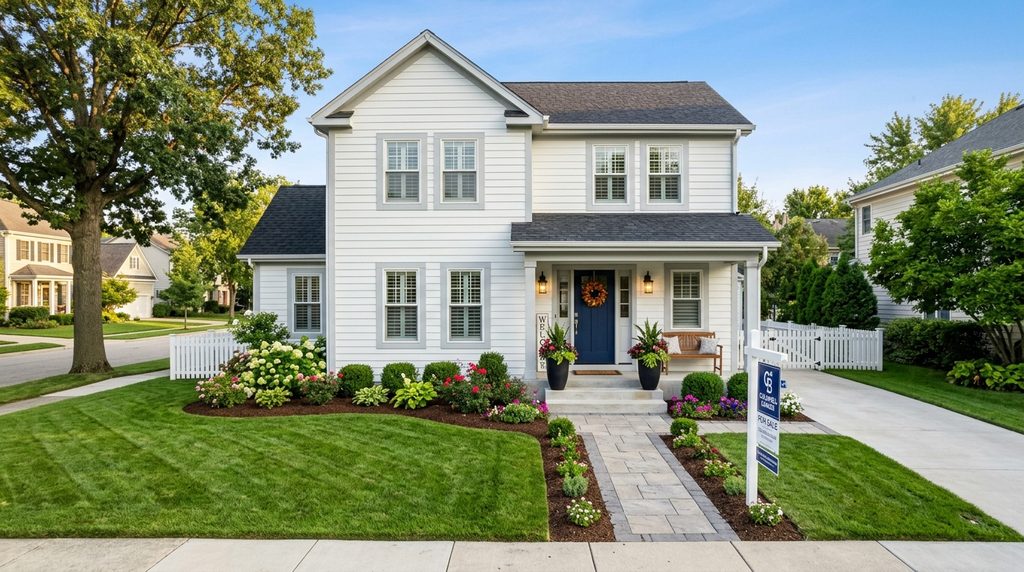
1. Improve the Home’s Curb Appeal
The exterior creates the first impression of a property.
Simple maintenance can make the home look cleaner and better cared for.
Consider:
- Cleaning exterior surfaces
- Trimming overgrown plants
- Maintaining the lawn where applicable
- Cleaning pathways
- Removing outdoor clutter
- Repainting worn exterior areas
- Improving the front entrance
- Replacing damaged outdoor lighting
You do not necessarily need expensive landscaping. A tidy and well-maintained exterior can make a property more inviting.
2. Declutter Every Room
Decluttering is one of the simplest ways to improve the presentation of a home.
Too many personal belongings can make rooms appear smaller or less functional.
Before listing your property, consider removing:
- Unused furniture
- Excess decorations
- Old paperwork
- Clothes you no longer use
- Items stored unnecessarily on floors
- Excess kitchen equipment
- Personal items that distract from the space
Organize the belongings you keep and store unnecessary items elsewhere where appropriate.
A cleaner layout allows potential buyers to focus on the property itself.
3. Deep Clean the Property
A clean home can create a stronger impression during viewings.
Pay attention to areas that are easy to overlook:
- Windows
- Floors
- Kitchen appliances
- Cabinets
- Bathrooms
- Grout
- Light fixtures
- Doors
- Baseboards
- Outdoor areas
If the property is large or heavily used, professional cleaning may be worth considering.
Cleaning is not a substitute for repairs, but it can improve the overall presentation.
4. Repair Visible Problems
Small defects can make buyers wonder whether a property has larger hidden problems.
Before selling, consider addressing visible issues such as:
- Leaking faucets
- Loose handles
- Damaged doors
- Cracked tiles
- Peeling paint
- Broken light fixtures
- Damaged switches or outlets
- Minor wall damage
- Sticking windows
- Damaged cabinet hardware
Prioritize repairs that are noticeable, functional, and reasonably affordable.
For electrical, structural, gas, roofing, or other specialized work, use appropriately qualified professionals.
5. Refresh the Walls With Neutral Paint
A fresh coat of paint can make rooms appear cleaner and more consistent.
Neutral colors can also help potential buyers imagine how they might use the space.
You may not need to repaint the entire property.
Focus on:
- Heavily marked walls
- Dark rooms
- High-traffic areas
- Rooms with outdated colors
- Areas where paint is peeling or damaged
Prepare the surfaces properly before painting to achieve a better result.
6. Improve the Kitchen Without Over-Renovating
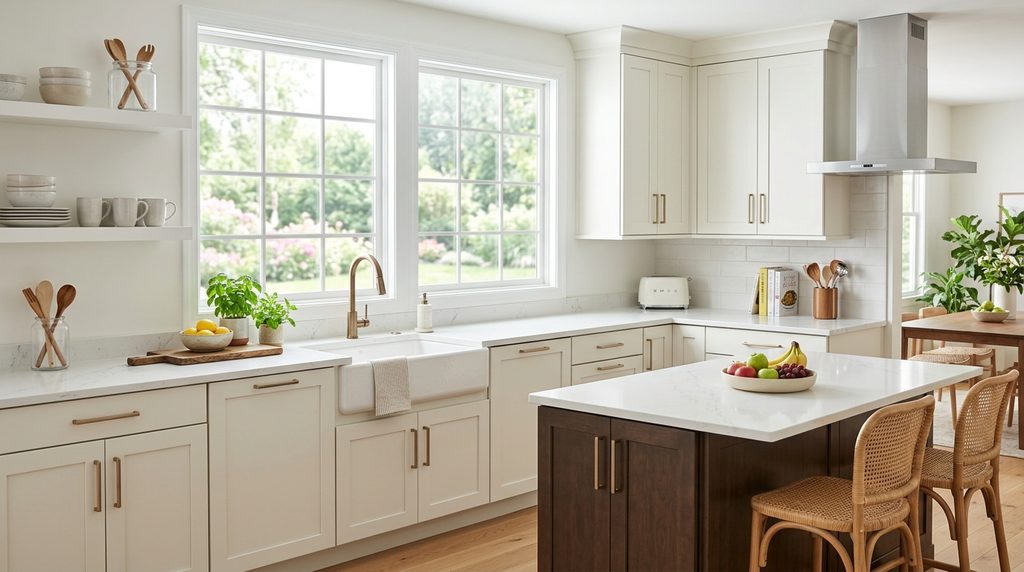
The kitchen can influence how buyers perceive a property, but a complete kitchen renovation can be expensive.
Depending on its condition, smaller improvements may include:
- Updating cabinet handles
- Replacing worn faucets
- Improving lighting
- Repairing damaged cabinets
- Repainting suitable cabinets
- Replacing damaged countertops
- Improving storage
Before spending heavily, research comparable homes in your local market.
An expensive kitchen renovation may not make financial sense if buyers in the area do not expect that level of finish.
7. Refresh Bathrooms
Bathrooms should be clean, functional, and well maintained.
Consider:
- Replacing damaged fixtures
- Updating cabinet hardware
- Improving lighting
- Repairing leaks
- Replacing worn caulk
- Cleaning grout
- Improving ventilation
- Repairing damaged tiles
Address moisture or water problems before making cosmetic improvements.
Covering up a leak or dampness with paint can create bigger problems later.
8. Improve Lighting
Good lighting can make rooms feel more comfortable and functional.
Review the lighting in:
- Living rooms
- Kitchens
- Bedrooms
- Bathrooms
- Hallways
- Entryways
- Outdoor areas
Replace damaged or outdated fixtures where appropriate.
Use lighting that suits the room’s purpose rather than installing fixtures simply because they look modern.
If electrical work is required, use a qualified electrician.
9. Make Important Energy-Efficiency Improvements
Energy efficiency can be attractive to buyers because it may affect ongoing household costs.
Potential improvements include:
- Sealing obvious drafts
- Improving insulation where appropriate
- Maintaining heating and cooling equipment
- Using efficient lighting
- Improving window coverings
- Addressing poorly sealed doors and windows
The financial benefit of an energy improvement depends on the property, climate, energy prices, and household usage.
Before making a major energy upgrade solely for resale, consider the likely cost and relevance to local buyers.
10. Improve Outdoor Living Areas
If your property has a garden, balcony, patio, terrace, or other usable outdoor area, present it clearly.
Consider:
- Cleaning outdoor spaces
- Repairing damaged surfaces
- Adding simple seating
- Improving outdoor lighting
- Organizing plants
- Removing unnecessary items
- Creating a practical seating or dining area
The goal is to show buyers how the space can be used without spending more than necessary.
How to Prioritize Home Improvements Before Selling
Not every project deserves the same amount of money.
A simple priority system can help.
Priority 1: Safety and Major Problems
Address issues that could affect safety, basic functionality, or the property’s condition.
Priority 2: Visible Repairs
Fix noticeable problems that could negatively affect buyer impressions.
Priority 3: Cleaning and Decluttering
Make the property feel clean, organized, and easier to view.
Priority 4: Cosmetic Improvements
Consider paint, lighting, hardware, and other relatively affordable updates.
Priority 5: Optional Renovations
Only consider major renovations after evaluating the local market, expected buyer demand, and potential return.
Research Comparable Properties Before Renovating
One of the most important steps is understanding what buyers expect in your local market.
Look at comparable properties that are:
- Similar in size
- In the same neighborhood
- Similar in age
- Similar in condition
- Similar in property type
Compare:
- Asking prices
- Recent sale information where available
- Kitchen quality
- Bathroom condition
- Outdoor areas
- Flooring
- Overall presentation
This can help you avoid spending heavily on upgrades that are not typical for comparable properties.
Should You Renovate Before Selling?
There is no universal answer.
A renovation may make sense when:
- The property has obvious defects.
- A major area is outdated or damaged.
- Comparable properties have a noticeably better standard.
- The improvement is relatively affordable.
- The work solves a problem buyers are likely to notice.
A renovation may not make sense when:
- The project is extremely expensive.
- The existing condition is already acceptable.
- The local market does not support the upgrade.
- The expected benefit is uncertain.
- The work is unlikely to matter to potential buyers.
When in doubt, seek advice from a qualified local property professional who understands your market.
Create a Pre-Sale Improvement Budget
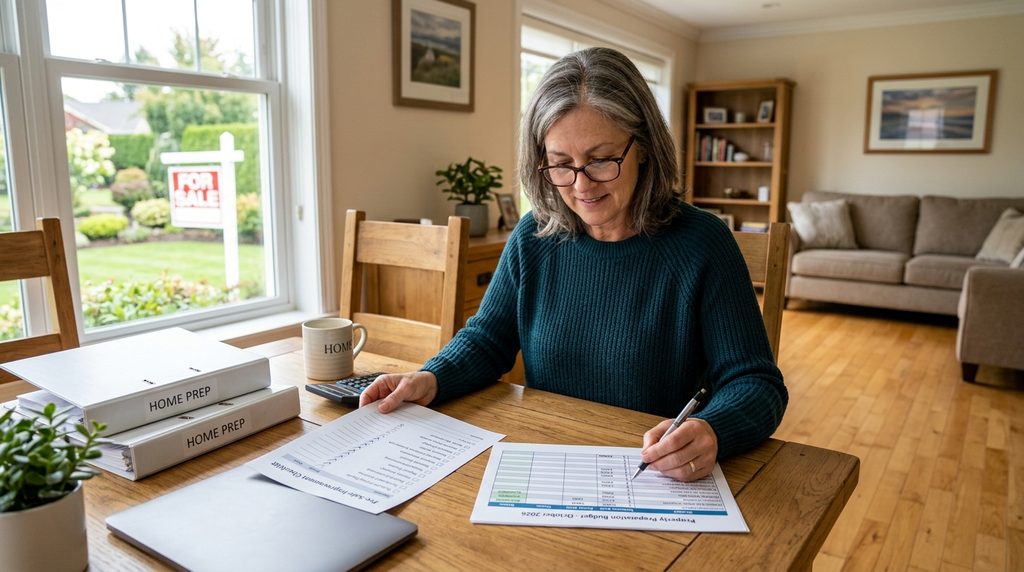
Before starting work, create a simple budget.
| Improvement | Estimated Cost | Priority | Completed |
|---|---|---|---|
| Repairs | — | High | ☐ |
| Cleaning | — | High | ☐ |
| Painting | — | Medium | ☐ |
| Lighting | — | Medium | ☐ |
| Kitchen updates | — | Medium | ☐ |
| Bathroom updates | — | Medium | ☐ |
| Exterior maintenance | — | High | ☐ |
| Outdoor improvements | — | Low/Medium | ☐ |
Keep some room in the budget for unexpected repairs.
Avoid starting multiple major projects at once unless you have sufficient funds and time to complete them properly.
Improve the Property Without Over-Personalizing It
When preparing a home for sale, remember that the next owner may have a different taste.
Avoid spending heavily on highly personal design choices.
Instead, consider:
- Simple colors
- Clean finishes
- Functional layouts
- Neutral presentation
- Good lighting
- Well-maintained surfaces
The objective is not to make the property appeal to every possible buyer. It is to present the home’s strengths clearly and make it easy for buyers to imagine living there.
Prepare for Professional Photography
Good property presentation matters online because many potential buyers first encounter a home through photographs.
Before photography:
- Clean every room
- Remove unnecessary objects
- Open suitable curtains or blinds
- Turn on appropriate lights
- Clear kitchen counters
- Organize bathrooms
- Improve the entrance
- Tidy outdoor areas
Do not use photography to hide significant property defects.
Accurate presentation helps set realistic expectations for potential buyers.
Common Mistakes to Avoid Before Selling
Over-Renovating
A large renovation does not guarantee a proportionate increase in selling price.
Ignoring Maintenance
Cosmetic upgrades cannot replace necessary repairs.
Choosing Very Personal Designs
Highly specific colors or finishes may not appeal to many buyers.
Spending Without Research
Always consider comparable properties and local buyer expectations.
Forgetting the Exterior
Buyers often form an impression before entering the house.
Leaving Clutter Everywhere
Too much furniture and personal property can make rooms appear smaller.
Trying to Hide Problems
A hidden defect can become a bigger issue during inspection or negotiation.
A Simple Pre-Sale Home Improvement Checklist
Before listing your property, walk through every room and ask:
- Is anything visibly damaged?
- Is the property clean?
- Is there unnecessary clutter?
- Does each room have suitable lighting?
- Are doors and windows functioning properly?
- Are there leaks or moisture problems?
- Does the exterior look maintained?
- Is the entrance welcoming?
- Are bathrooms clean and functional?
- Is the kitchen organized?
- Are important repairs complete?
- Does the property compare well with similar homes?
This checklist can help you focus on practical improvements instead of unnecessary spending.
Final Thoughts
Learning how to increase property value before selling starts with understanding that not every improvement has the same financial impact.
Focus first on maintenance, repairs, cleaning, decluttering, curb appeal, and practical cosmetic updates. Then consider larger renovations only after researching comparable properties and understanding what buyers in your market are likely to value.
A well-maintained, clean, functional, and properly presented property can make a stronger impression than a home filled with expensive but unnecessary upgrades.
Before making major financial decisions, consider getting advice from qualified local property, construction, legal, or financial professionals as appropriate.
Frequently Asked Questions
What improvements can increase property value before selling?
Useful improvements may include repairing visible defects, improving curb appeal, deep cleaning, painting, updating lighting, improving kitchen or bathroom condition, and maintaining outdoor areas. The effect varies by property and local market.
Should I renovate my kitchen before selling?
Not necessarily. A complete renovation can be expensive. Smaller improvements may be more appropriate if the kitchen is functional but dated. Compare similar properties in your market before deciding.
Does painting increase property value?
Fresh paint can improve the property’s presentation and make rooms feel cleaner and more modern. However, the financial effect varies and painting should not be viewed as a guaranteed increase in selling price.
Is curb appeal important when selling a house?
Curb appeal can influence a buyer’s first impression. Simple maintenance such as cleaning, landscaping, exterior repairs, and improving the entrance can help present the property more effectively.
Should I make expensive renovations before selling?
Expensive renovations should be evaluated carefully. Research comparable properties, local buyer expectations, project costs, and potential benefits before committing to major work.
How can I improve my home on a small budget before selling?
Start with cleaning, decluttering, minor repairs, paint touch-ups, improved lighting, exterior maintenance, and organizing rooms. These projects can often improve presentation without requiring a major renovation.
Should I hire a professional before making improvements?
A qualified local real estate professional can provide market-specific guidance, while contractors and specialists can advise on technical work. Professional advice can be particularly useful before major renovations.
Can energy-efficient improvements increase property value?
Energy-efficient features may be attractive to some buyers, but the effect on selling price varies. Consider the property’s existing condition, local buyer expectations, climate, and project cost before making a major upgrade