
Home Renovation Planning: 10 Tips for First-Time Homeowners
October 16, 2026

Buying your first home is an exciting milestone, but making it comfortable, functional, and attractive may require a few renovations. From updating an outdated kitchen to improving insulation, home renovation planning helps you decide what to fix first, manage your budget, and avoid unnecessary expenses.
For first-time homeowners in the United States, the best renovation plan starts with understanding the property’s condition, identifying essential repairs, researching local permit requirements, and comparing qualified contractors. A well-organized plan can also help you make informed decisions about materials, energy efficiency, and long-term maintenance.
In this guide, you’ll learn ten practical home renovation planning ideas for first-time homeowners, including budgeting tips, project priorities, contractor questions, and common mistakes to avoid.
1. Inspect Your Home Before Starting Renovations
Before choosing paint colors or replacing kitchen cabinets, understand your home’s current condition. A property may look attractive while hiding problems that need attention.
Start by checking the roof, foundation, plumbing, electrical systems, heating and cooling equipment, windows, and signs of water damage. If you recently purchased the property, review your home inspection report for recommended repairs.
Pay particular attention to:
- Roof leaks and damaged shingles
- Cracks that may indicate foundation movement
- Plumbing leaks and slow drainage
- Outdated or damaged electrical components
- Moisture, mold, and poor ventilation
- Worn heating and cooling equipment
- Drafty windows and insufficient insulation
Address safety concerns and active damage before investing in cosmetic upgrades. If you are unsure about a structural, electrical, plumbing, or moisture problem, consult a qualified professional.
Planning tip: Create a list of every issue you discover and classify each item as urgent, necessary, or optional. This simple step makes it easier to decide which renovations deserve your attention first.
2. Set a Realistic Home Renovation Budget

A renovation budget should cover more than the price of materials and contractor labor. Homeowners also need to account for permits, delivery fees, waste disposal, temporary accommodation when necessary, and unexpected repairs.
Begin by deciding how much money you can comfortably spend without affecting your mortgage payments, emergency savings, or essential household expenses.
Your renovation budget may include:
- Materials and fixtures
- Contractor labor
- Permit and inspection fees
- Tool rental and debris removal
- Temporary kitchen or bathroom arrangements
- Finishing work and cleaning
- A contingency fund for unexpected problems
Consider keeping an additional 10%–20% contingency allowance for many renovation projects, adjusting it to the home’s condition and the complexity of the work. Older properties and projects involving hidden plumbing or structural issues may require a larger reserve.
For example, if your planned renovation budget is $10,000, a contingency of 15% would equal $1,500. That means you would plan for a total available amount of $11,500, rather than committing every dollar to the initial contractor estimate.
This is an illustrative example, not a prediction of actual renovation costs. Prices vary by location, property condition, labor rates, and material selection.
3. Prioritize Essential Repairs Over Cosmetic Upgrades
First-time homeowners often want to personalize their properties immediately. New flooring, stylish lighting, modern cabinets, and fresh paint can make a home feel more inviting, but they should not take priority over problems that threaten safety or cause further damage.
A practical renovation priority list looks like this:
- Priority 1: Safety and damage prevention
- Repair roof leaks and active water intrusion.
- Address unsafe electrical or plumbing conditions.
- Investigate serious structural concerns.
- Resolve hazardous moisture problems.
- Priority 2: Essential functionality
- Repair unreliable heating or cooling systems.
- Fix plumbing fixtures and drainage problems.
- Improve insulation and weather sealing where needed.
- Repair damaged windows and exterior doors.
- Priority 3: Comfort and appearance
- Paint interior walls.
- Update lighting fixtures.
- Refresh cabinets and hardware.
- Replace worn flooring when necessary.
- Improve landscaping and outdoor living areas.
The exact order depends on your home’s condition. A failing heating system in a cold climate, for example, may require immediate attention.
If your renovation plans include energy upgrades, explore the official ENERGY STAR home improvement guidance. It provides information about insulation, air sealing, heating and cooling, and other efficiency improvements.
4. Divide Large Renovations Into Manageable Phases
You do not have to renovate every room at once. Completing projects in phases can help you spread expenses over time and reduce disruption to your daily routine.
A phased renovation plan might look like this:
| Phase | Main focus | Example projects |
|---|---|---|
| Phase 1 | Safety and repairs | Roof, electrical, plumbing, leaks |
| Phase 2 | Energy efficiency | Insulation, air sealing, HVAC improvements |
| Phase 3 | Essential rooms | Bathroom repairs, kitchen functionality |
| Phase 4 | Interior finishes | Paint, flooring, lighting |
| Phase 5 | Exterior improvements | Landscaping, patio, curb appeal |
Adjust this schedule to your home’s specific needs. If the kitchen is unusable or a bathroom has a serious leak, those repairs may need to move earlier in the plan.
Also consider how projects affect one another. For example, it is usually sensible to complete major electrical work before closing walls and applying fresh paint. Replacing flooring before finishing dusty demolition work may result in avoidable damage.
Planning tip: Write down the dependencies between projects before agreeing to a contractor’s schedule.
5. Research Contractors and Compare Written Estimates
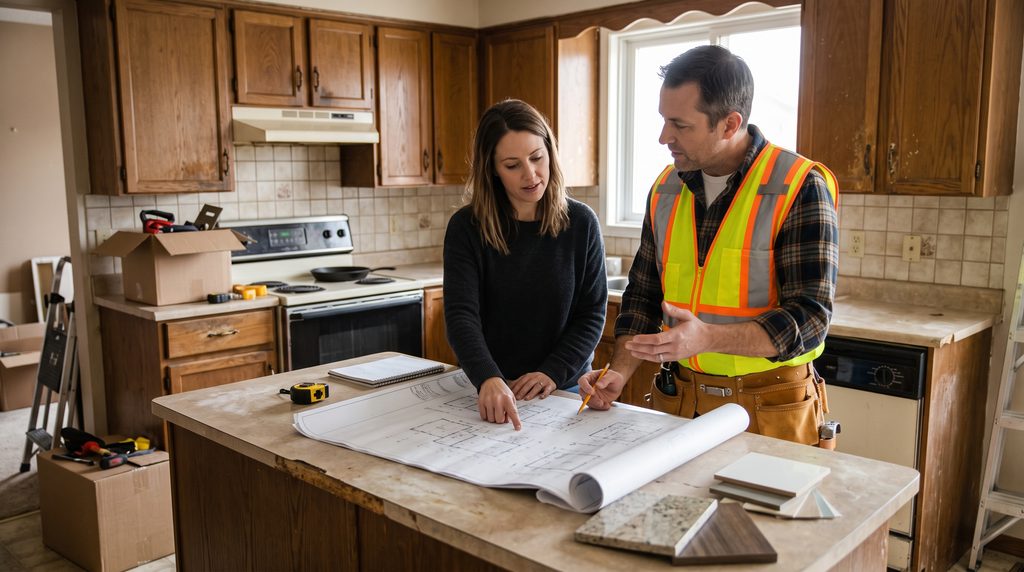
Choosing the right contractor is one of the most important decisions in home renovation planning. A low estimate may appear attractive, but it is not necessarily the best value if it excludes essential work or uses unsuitable materials.
Seek recommendations from people you trust, check references, and research contractors’ qualifications. Depending on your state and the type of work, contractors may need specific licenses, registrations, or insurance.
Before hiring anyone, ask:
- Are you licensed or registered as required locally?
- Can you provide proof of insurance?
- Have you completed similar projects?
- Can I contact previous customers?
- Who will supervise the work?
- What is included in the estimate?
- How will changes and additional costs be approved?
- What warranty or workmanship guarantee do you provide?
- What is the expected start and completion date?
Request written estimates from multiple qualified contractors when practical. Compare the scope of work, materials, labor, payment schedule, exclusions, and expected timeline—not just the final price.
Use a written contract that clearly describes the project, responsibilities, payment terms, change-order process, and procedures for resolving disputes. Avoid paying the entire amount upfront, and understand the contract before signing it.
6. Check Building Permits and Local Requirements
Some home renovation projects require building permits or inspections. Requirements vary by city, county, state, property type, and the nature of the work.
Cosmetic work may not require the same approvals as changes involving electrical systems, plumbing, structural components, room additions, or major mechanical equipment.
Before work begins, contact your local building department to confirm:
- Whether a permit is required
- Which drawings or documents must be submitted
- Whether inspections are necessary
- Whether zoning restrictions affect the project
- Whether a homeowners association has additional approval rules
- Whether the property is subject to historic-district requirements
Do not assume that a contractor’s estimate automatically includes permits. Ask who will obtain them and who is responsible for arranging inspections.
Skipping required approvals can lead to delays, fines, problems when selling the property, or costly work that must be corrected. Keep copies of permits, inspection results, warranties, and final invoices with your home records.
Important safety note for older homes
If your house was built before 1978, renovations that disturb painted surfaces may create lead-dust hazards. The U.S. Environmental Protection Agency explains its requirements and recommendations in the official Renovation, Repair and Painting Program consumer guide.
For applicable work, use an appropriately certified lead-safe contractor and follow relevant safety requirements. Do not begin sanding or demolishing potentially hazardous materials without understanding the risks.
7. Choose Materials That Fit Your Budget and Lifestyle
The cheapest material is not always the least expensive option over time. Durability, cleaning requirements, installation costs, climate, and replacement needs all influence the overall value of a renovation.
When selecting materials, consider:
- Flooring: Choose products that suit the room’s moisture exposure, traffic, and maintenance needs.
- Kitchen countertops: Compare durability, cleaning requirements, appearance, and installation costs.
- Paint: Select finishes appropriate for the room and its cleaning needs.
- Cabinets: Compare repair, refinishing, and replacement before purchasing new units.
- Windows: Consider local climate, energy performance, installation quality, and potential air leakage.
- Lighting: Evaluate brightness, energy consumption, and the purpose of each space.
Request samples when possible and view them under the lighting conditions in your home. A material that looks excellent in a showroom may appear different in a room with limited natural light.
For energy-related projects, the ENERGY STAR home improvement resource can help you explore options such as air sealing, insulation, efficient heating and cooling, and window upgrades.
Choose improvements based on your home’s actual needs rather than assuming every upgrade will produce the same savings in every property.
8. Plan for Energy Efficiency and Future Maintenance
A renovation is an opportunity to make your home more comfortable and easier to maintain. However, energy upgrades should be selected according to your home’s condition, climate, and existing systems.
Start by identifying common problems such as drafts, uneven room temperatures, moisture on windows, or unusually high utility bills. These symptoms may indicate areas that need further investigation.
Potential improvements include:
- Sealing air leaks around suitable openings
- Improving attic or crawl-space insulation
- Maintaining or upgrading heating and cooling equipment
- Installing efficient lighting
- Repairing water leaks before they damage finishes
- Improving ventilation where appropriate
- Choosing suitable energy-efficient appliances
The ENERGY STAR guide to identifying home energy problems explains how issues in areas such as attics, basements, and ducts can affect comfort and energy use.
Do not add insulation or seal a building without considering ventilation, moisture management, and combustion safety where applicable. A qualified professional can help determine the correct solution.
Also make a maintenance plan for the improvements you complete. Keep appliance manuals, paint colors, product specifications, contractor details, and warranty documents in one location.
9. Create a Renovation Timeline That Fits Your Routine
Renovations can affect your work schedule, family life, privacy, and access to essential rooms. A realistic timeline helps you prepare for the disruption.
Before work starts, discuss the schedule with your contractor and identify the tasks that may cause the greatest inconvenience.
For example, a kitchen renovation could require temporary meal preparation arrangements. Bathroom work might mean planning access to another bathroom. Extensive interior repairs could require moving furniture or temporarily staying elsewhere.
Your timeline should include:
- Planning and design
- Contractor selection and contract signing
- Permit applications and approvals, where required
- Ordering materials and fixtures
- Demolition and preparation
- Construction and installation
- Required inspections
- Finishing work and cleanup
- Final walkthrough and documentation
Build flexibility into the schedule because material delays, hidden damage, weather, and inspections can affect completion dates.
Agree on how frequently the contractor will provide updates and how you will approve changes. Keep a written record of important decisions instead of relying only on verbal conversations.
10. Avoid Common Home Renovation Planning Mistakes
Even a carefully planned project can become stressful when important details are overlooked. First-time homeowners can reduce avoidable problems by preparing before demolition or construction begins.
Here are common mistakes to avoid:
Starting without a clear scope: Define exactly what is included in each room or project. Vague instructions can lead to disagreements and unexpected charges.
Ignoring hidden problems: Do not cover up leaks, damaged wiring, or suspected structural issues just to keep the project moving.
Choosing a contractor solely on price: Compare qualifications, references, insurance, materials, and contract terms.
Forgetting permits: Confirm local requirements before starting regulated work.
Making frequent design changes: Changes after work begins can increase costs and extend the schedule.
Spending the entire budget upfront: Keep a suitable reserve for unexpected repairs and avoid taking on payments you cannot comfortably manage.
Buying materials too early: Confirm measurements, specifications, delivery arrangements, and the contractor’s requirements before placing major orders.
Failing to document the work: Save contracts, invoices, receipts, permits, inspection records, photographs, and warranty information.
Expecting every upgrade to increase resale value: Renovations can improve comfort and appeal, but resale outcomes depend on the local market, buyer preferences, quality, and project costs.
A renovation plan should support your current needs while leaving room for future maintenance and financial stability.
Home Renovation Planning Checklist for First-Time Homeowners
Use this checklist before starting your next home improvement project.
- Review the home inspection report.
- Identify safety concerns and urgent repairs.
- Set a realistic total budget.
- Reserve funds for unexpected costs.
- Decide which projects are essential.
- Divide larger renovations into phases.
- Research contractors and check references.
- Compare detailed written estimates.
- Confirm permits and local requirements.
- Choose materials that fit your needs.
- Create a realistic project timeline.
- Keep contracts, invoices, and warranties.
- Inspect completed work before final payment according to your contract.
- Plan ongoing maintenance.
Completing these steps can help you approach renovation decisions with greater confidence and avoid rushing into expensive commitments.
Frequently Asked Questions
1. What should first-time homeowners renovate first?
Start with safety concerns, active leaks, structural problems, electrical hazards, and other repairs that could cause further damage. After essential issues are addressed, consider comfort, energy efficiency, kitchens, bathrooms, and cosmetic upgrades according to your budget.
2. How much money should I save for home renovations?
The amount depends on your property’s condition, project scope, location, labor costs, and material choices. Obtain written estimates before setting your budget, and consider keeping a contingency allowance—often around 10%–20% for many projects—to help cover unexpected expenses.
3. Should I renovate my home all at once or in stages?
Renovating in stages can make expenses easier to manage and reduce disruption. However, related projects may be more efficient when completed together. For example, electrical work and wall repairs should generally be coordinated before final painting.
4. Do I need a permit for home renovation?
Some projects require permits, while others may be exempt. Requirements depend on local building codes and the type of work. Contact your city or county building department before beginning construction.
5. How do I choose a reliable home renovation contractor?
Check required licenses, insurance, references, and experience with similar projects. Compare written estimates and review the contract carefully. Make sure the scope, materials, payment schedule, timeline, and change-order process are clearly explained.
6. Are energy-efficient renovations worth it?
They may improve comfort and reduce energy consumption, but the results depend on the home’s existing condition, climate, equipment, installation quality, and project cost. Consider an assessment before choosing major energy upgrades, and compare expected benefits with the total investment.
7. Can I renovate an older home myself?
Some cosmetic projects may be suitable for DIY work if you have the necessary skills and follow safety precautions. Electrical, structural, plumbing, and other specialized work may require qualified professionals or permits. Older homes may also contain lead-based paint or other hazardous materials.
8. What documents should I keep after a renovation?
Keep the signed contract, estimates, receipts, invoices, permits, inspection results, product details, warranties, photographs, and any maintenance instructions. These records can help with future repairs, warranty claims, insurance questions, and property sales.
Final Thoughts
Home renovation planning for first-time homeowners begins with understanding your property’s condition and deciding what matters most. A realistic budget, clear priorities, qualified contractors, and knowledge of local requirements can make the process more manageable.
Focus on essential repairs before cosmetic upgrades, compare written estimates, and choose materials that suit your home and lifestyle. Where appropriate, consider energy efficiency and future maintenance as part of the overall plan.
Most importantly, avoid rushing into every project at once. A phased approach allows you to improve your home thoughtfully while protecting your budget and keeping unexpected problems under control.
Disclaimer: This article provides general educational information for U.S. homeowners. Renovation costs, permits, contractor licensing, and safety requirements vary by location and project. Consult the relevant local authorities and qualified professionals before undertaking major work.