
Buying Vacant Land? Five Survey Details to Check Before Making an Offer
November 10, 2026
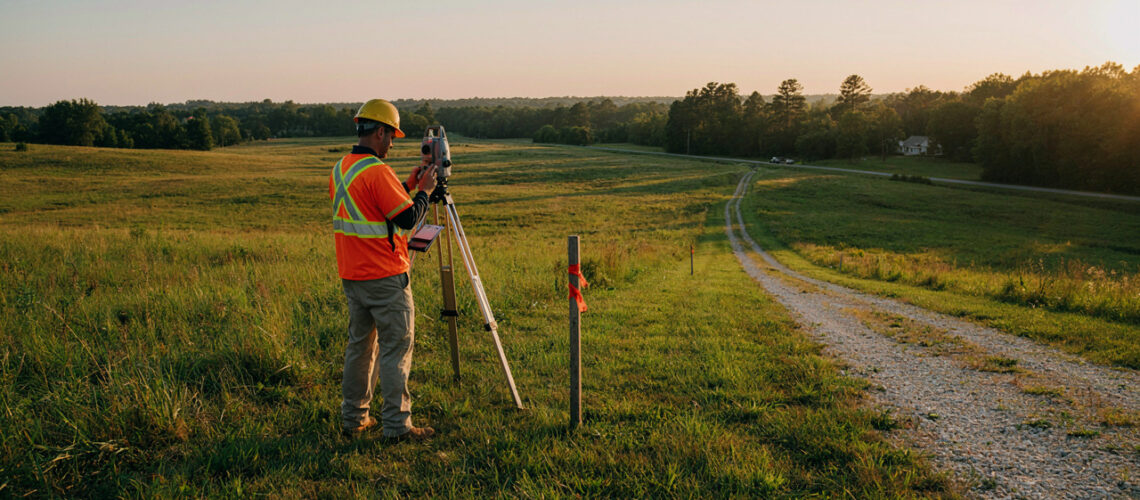
Vacant land looks simple. There’s no roof to inspect, no kitchen to measure, and no plumbing to worry about. Just open space and possibility. That’s exactly why so many buyers move quickly, and why so many regret it.
The truth is that empty land hides its problems well. A field can look flat and easy to build on, yet have a strip nobody is allowed to build over. A lovely plot can be hard to reach legally. The acreage in the advert might not match the ground at all.
A survey brings these things into the open. Below are five details worth checking before you put an offer on the table, plus a few other site conditions that often get missed.
Why Vacant Land Needs Extra Care Before You Offer
When you buy a house, you can see what you’re getting. With vacant land, you’re mostly buying lines on paper, and those lines don’t always match what’s out there. Old fences, rough markers and verbal promises from the seller are common, and none of them replace proper measurement.
It also tends to be harder to fix problems after the purchase. Once you own a parcel with unclear boundaries or limited access, the problem is yours. Checking first gives you the choice to negotiate, ask for conditions or walk away.
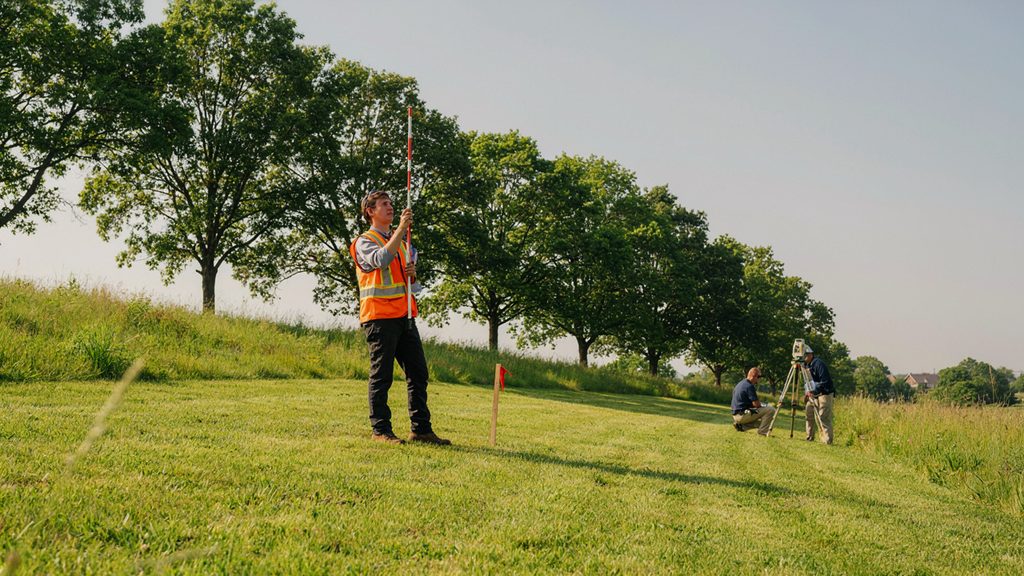
A licensed surveyor can review the records, visit the site and show you what’s real. If you’re looking for professional land surveying services, ask for someone with experience in the area where you’re buying, since local knowledge matters.

Detail 1: Property Boundaries and Corner Markers
The first thing to confirm is where the land actually starts and stops. This sounds obvious, but on open land there are often no clear signs. A fence may have been put up for cattle rather than to mark the legal line. Corner markers may be missing, buried or moved.
A boundary survey locates the corners of the parcel and marks the lines between them. That lets you see exactly what the seller is offering.
What to look for
- Whether the survey matches the legal description in the sale documents.
- Whether the original corner markers can be found, or have been replaced.
- Whether fences, tracks or hedges follow the real boundary.
- Whether any recent surveys exist and how old they are.
A quick example
Imagine a buyer who falls in love with a field bordered by an old stone wall. The seller says the wall is the boundary. A survey shows the true line runs ten meters beyond it on one side and several meters short on the other. The parcel is partly bigger and partly smaller than the buyer assumed. Knowing that before the offer changes the conversation completely.
This is where boundary surveying earns its keep. It turns a feeling about the land into something you can rely on.
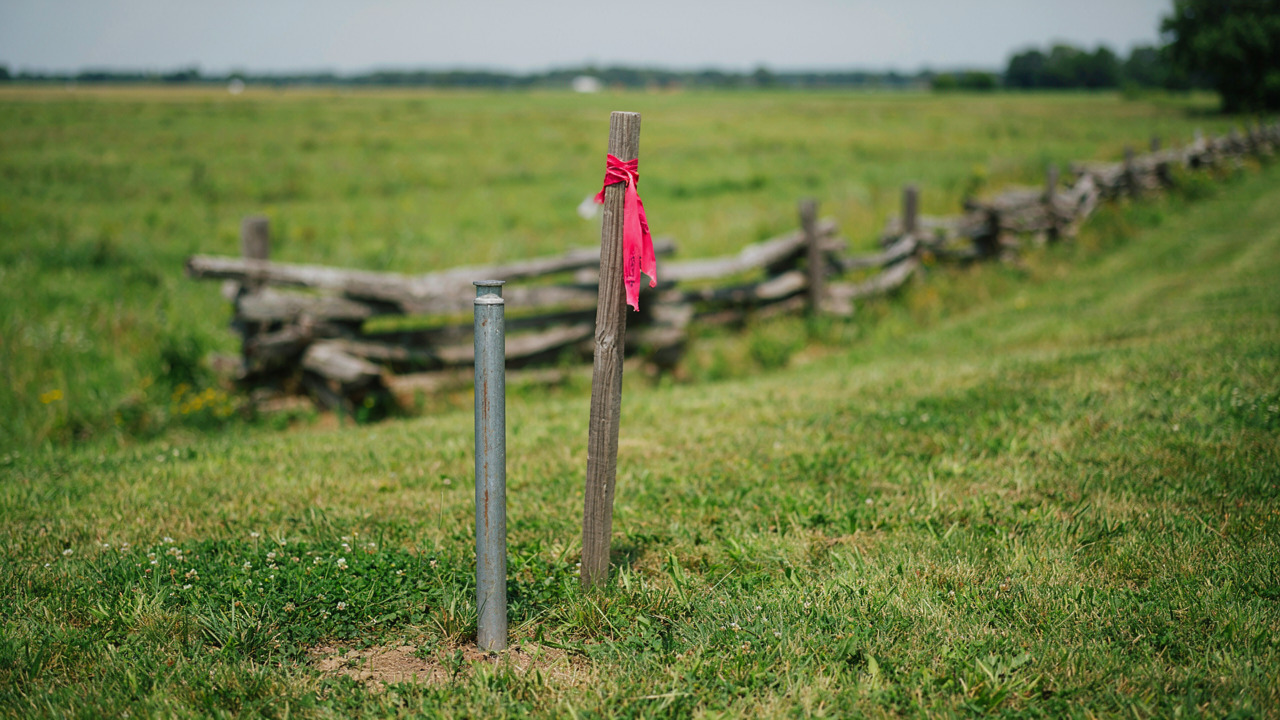
Detail 2: Easements Running Across the Land
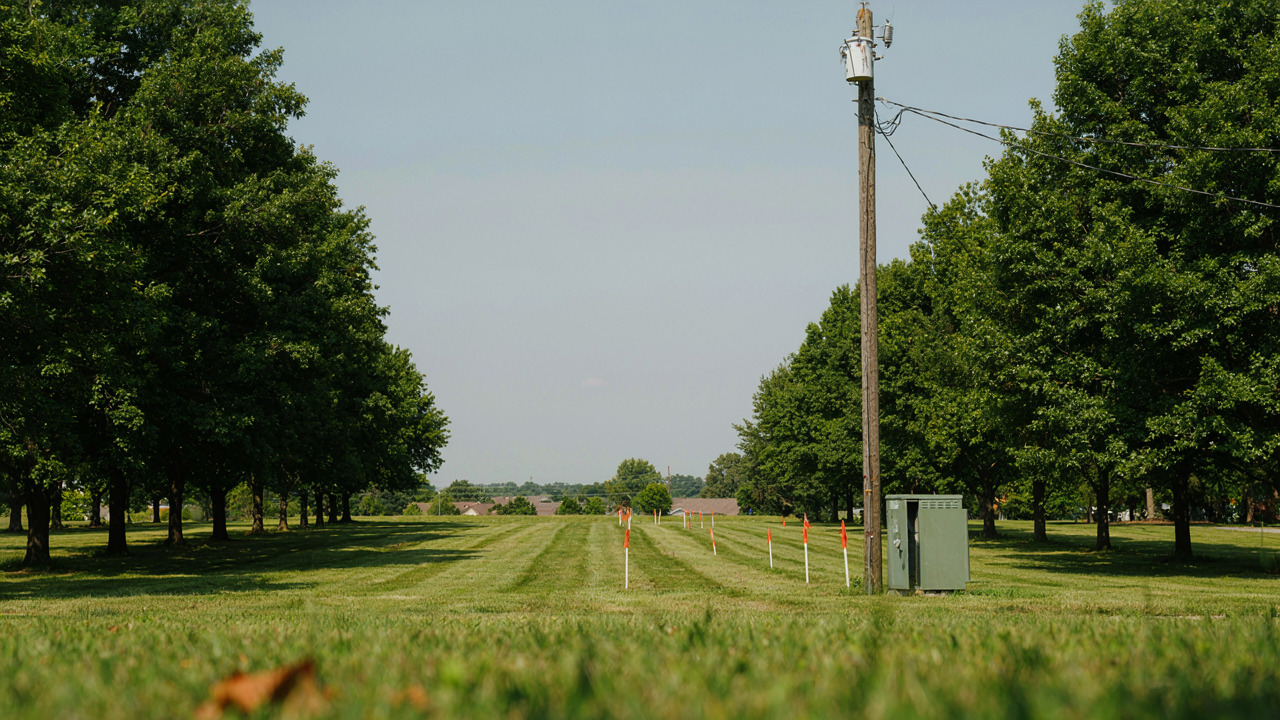
An easement gives someone else a legal right to use part of your land for a defined purpose. On vacant land, common examples are utility lines, drainage routes, pipelines and shared driveways. You can own the ground, but you may not be able to build on it or block it.
This matters because an easement can quietly take a big chunk out of the usable area. A buyer who plans a house in the middle of the plot might find that a utility strip runs right through it.
How to check
Start by asking for any easement information in the sale documents and the title records. A surveyor can then plot known easements on the drawing, so you can see exactly where they sit in relation to your building ideas.
Questions worth asking
- Are there utility lines or pipes above or below the land?
- Who has the right to use each easement, and for what?
- Can I build or plant near it, and under what conditions?
- Is the easement recorded, or only mentioned informally?
Not every easement is a problem. Some are harmless and barely noticeable. But you should know what exists before you commit, not after you’ve sketched out a house plan.
Detail 3: Legal Access to the Property
Being able to see a road from the land doesn’t mean you have the legal right to reach it. This is one of the most overlooked issues in vacant land purchases.
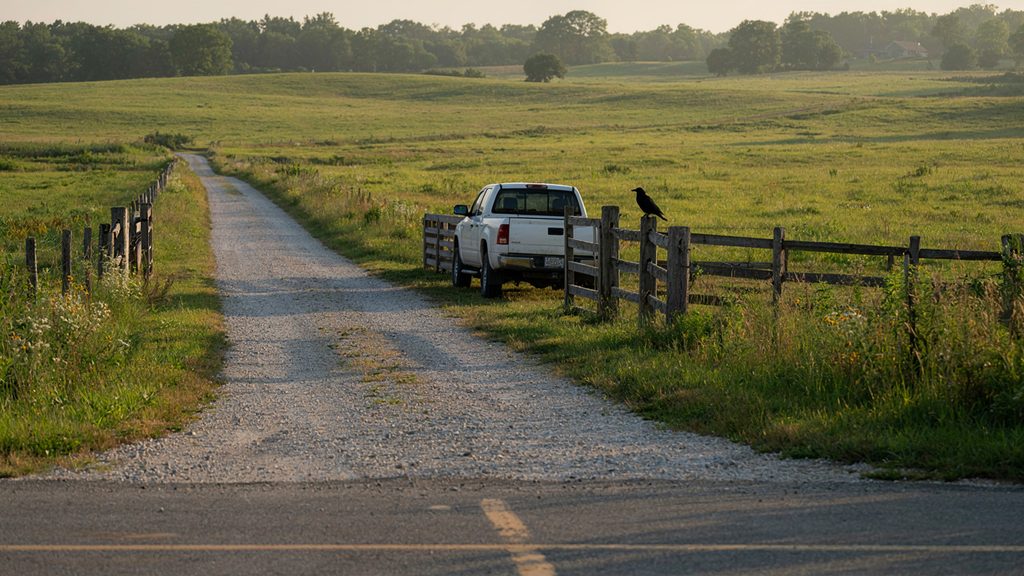
Some parcels sit directly on a public road. Others rely on a private track, a shared lane or a route across a neighbor’s property. In that case, your access depends on a recorded right, and if there isn’t one, you could be stuck.
What to confirm
- Does the land have direct frontage to a public road?
- If access is across someone else’s property, is the right of way recorded and permanent?
- Who maintains the access track, and who pays for it?
- Is the route wide and firm enough for vehicles, including construction traffic?
A surveyor can show where the access route runs in relation to the boundaries. Combined with a title check, that helps confirm whether the access is legal and usable. A lawyer can then help with the legal side. Rules and rights vary between places, so avoid assuming anything.
A beautiful plot with no secure access can be very hard to build on, sell or finance.
Detail 4: Land Measurements, Size and Shape
The size listed in an advert is not always the size you’ll get. Some figures come from old records. Others are rounded, estimated or copied from earlier sales. A modern survey measures the actual parcel.
Size matters for more than price. Shape, width and slope can decide what you can build and where. A long narrow strip might not fit the house you have in mind. A steep section might be too costly to develop.
Things a survey can tell you
- The true area of the parcel, in the units used locally.
- The exact length and bearing of each boundary line.
- The shape of the plot, including any odd corners or narrow sections.
- Where the usable, buildable area really lies once easements and slopes are considered.
Why it affects your offer
If the measured area is smaller than advertised, you have a good reason to renegotiate. If it’s larger, that’s useful to know as well. Either way, an offer based on real measurements is a stronger and fairer offer than one based on a rough number.
Some buyers also ask for a topographic survey, which maps the slopes, high points and drainage of the land. That can help if you’re planning to build, since it shows how the ground behaves.
Detail 5: Encroachments and Neighbor Use of the Land
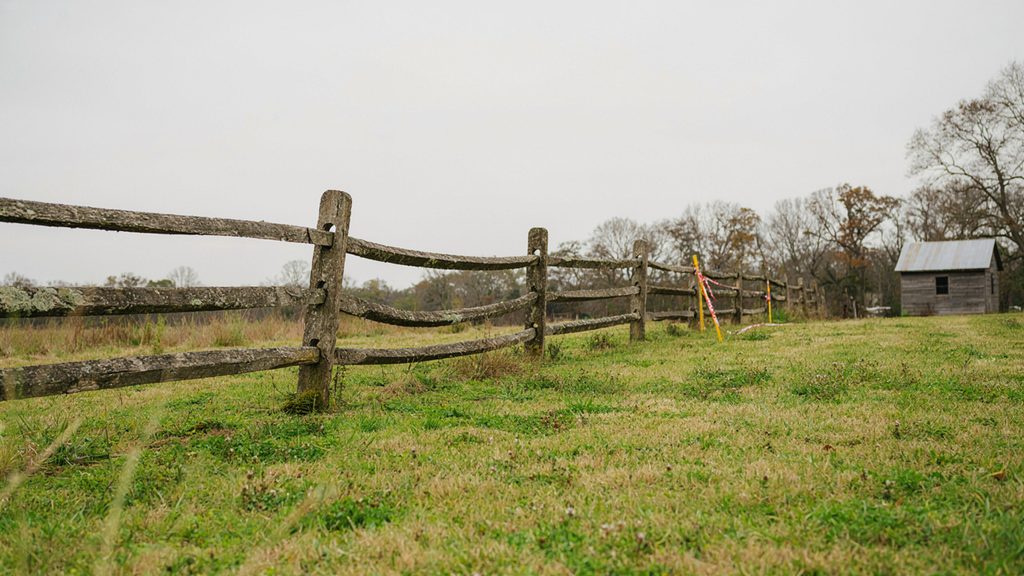
An encroachment happens when something belonging to a neighbor, or someone else, extends onto the land you’re buying. It might be a fence built inside the boundary, a shed, a driveway, a farm track or a garden that has slowly spread over time.
On vacant land, encroachments can be easy to miss because there’s little else to compare against. The land looks empty, but somebody may already be using part of it.
Common examples
- A neighbor’s fence sitting several feet inside the parcel.
- A track or path regularly used by others to cross the land.
- Animals grazing or crops planted by a neighbor.
- Structures or dumped materials left on the land.
A survey shows whether the boundary lines and the actual use of the land agree. If they don’t, you can raise it with the seller, ask for the problem to be fixed before completion, or reconsider your offer. Settling it before you own the land is far easier than doing it afterward.
Other Site Conditions Worth Checking
The five details above cover the main survey issues, but a few other conditions can affect how useful the land really is.
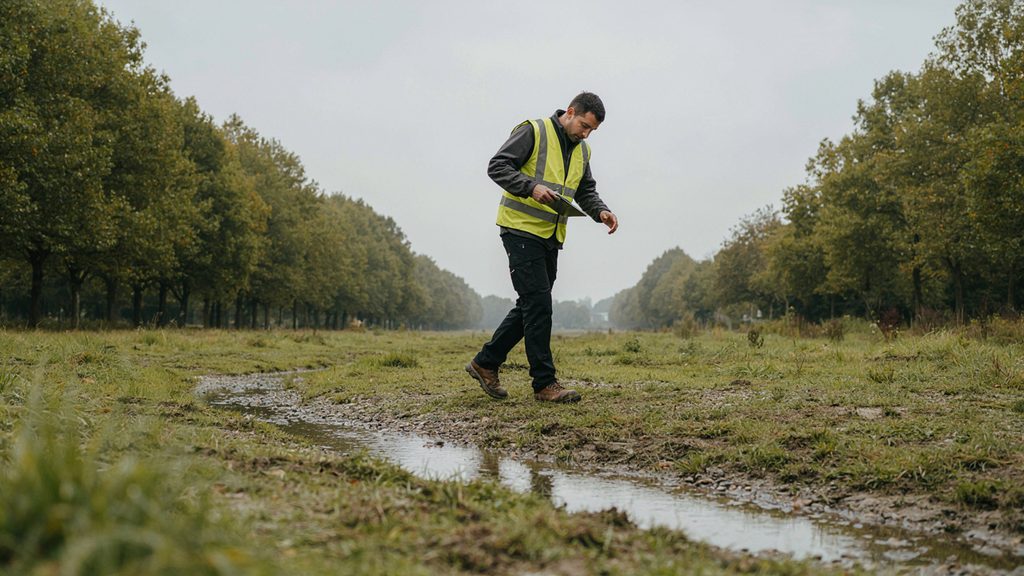
- Drainage and flooding: Look for low spots, streams or signs of standing water. Ask local authorities or your surveyor about flood records.
- Slope and soil: Steep or unstable ground can raise building costs. A site specialist can advise on soil and foundations.
- Utilities: Check whether water, power, sewer or septic options are available, and how far they are from the plot.
- Zoning and building rules: Confirm what you’re actually allowed to build. Local rules vary, so ask the relevant planning office.
- Trees and protected features: Some trees, habitats or heritage features may limit what you can clear or change.
None of these are strictly survey details, but your surveyor can often point you in the right direction or work alongside other experts.
Putting It Together: A Simple Checklist Before You Offer
It helps to treat the survey as part of your decision, not just paperwork. Here’s a straightforward way to use what you learn.
| What to check | What you want to know | If there’s a problem |
|---|---|---|
| Boundaries | True corners match the legal description | Ask for a corrected survey or renegotiate |
| Easements | Location and purpose of each one | Adjust your building plans or price |
| Access | Legal and permanent route to a road | Get legal advice or walk away |
| Measurements | Real area, shape and slope | Reconsider the offer based on usable land |
| Encroachments | Any neighbor use or structures on the land | Ask the seller to resolve it first |
If you’re serious about the plot, consider making your offer conditional on a satisfactory survey. That gives you a fair way out if something serious turns up. Speak to your agent or lawyer about how this works where you live.
When you’re ready, a firm offering land surveying services can tell you what’s needed for your type of parcel and give you a realistic idea of timing.
Conclusion: Look Closely Before You Leap
Vacant land can be a great investment or the start of a dream home, but only if it’s what it appears to be. Checking the boundaries, easements, access rights, measurements and encroachments gives you a clear view of the real parcel behind the listing.
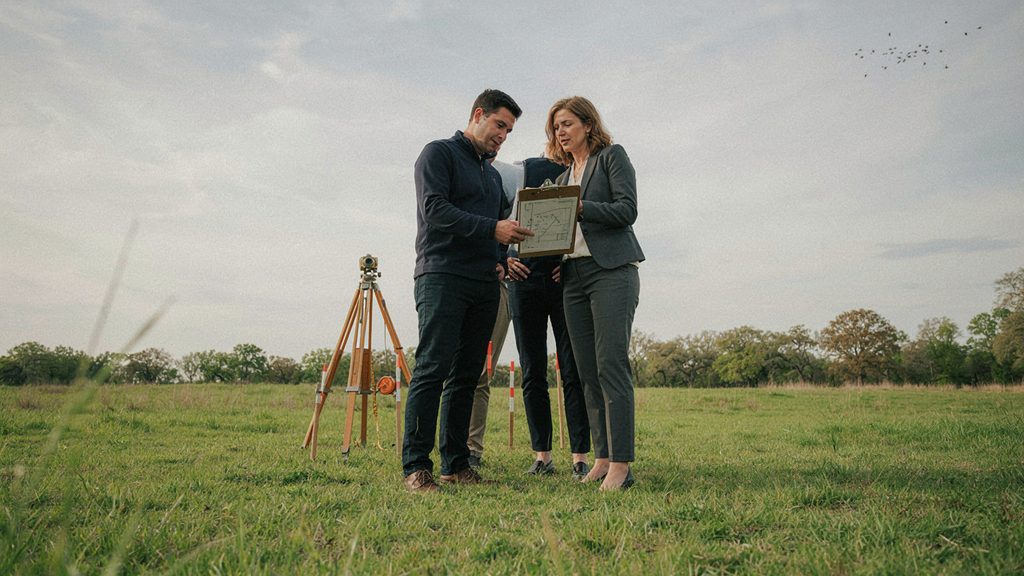
Take your time, ask questions, and bring in a qualified local surveyor before you make your offer. A little care now can save you from costly surprises later, and it puts you in a much stronger position at the negotiating table.
Frequently Asked Questions
1. Do I need a survey before buying vacant land?
It isn’t always legally required, but it is strongly advisable. A survey confirms the boundaries, size and any easements or encroachments. Rules vary by location, so check with your lawyer or agent about what applies to your purchase.
2. What is the difference between a boundary survey and a topographic survey?
A boundary survey shows the legal edges of the land and what sits on or near them. A topographic survey maps the shape of the ground, including slopes, high points and drainage. Many buyers who plan to build find both useful.
3. How do I know if I have legal access to vacant land?
Check whether the plot touches a public road, or whether access depends on a recorded right of way across another property. Your title records and a survey can help confirm this, and a lawyer can advise on the legal side.
4. What should I do if the land is smaller than advertised?
Use the survey result to discuss the price with the seller. You can ask for a lower price, request a correction or reconsider the deal. It’s much easier to raise this before the offer is accepted.
5. Can I make my offer conditional on a survey?
In many places, yes. A survey condition lets you withdraw or renegotiate if the results are unsatisfactory. Ask your real estate agent or lawyer how this works locally.