
Before You List: How a Boundary Survey Can Prevent a Sale-Day Surprise
November 10, 2026
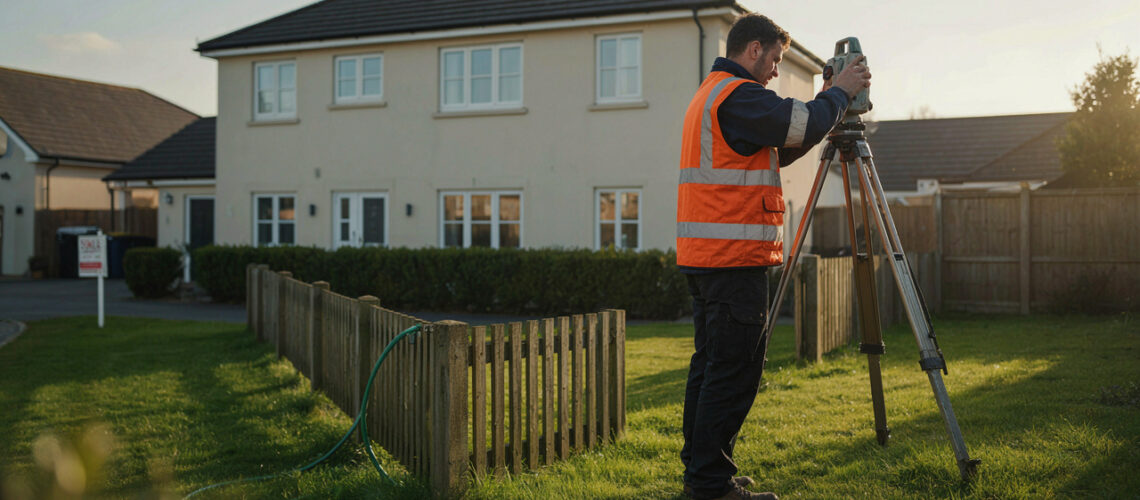
Picture this. You’ve accepted a good offer on your house, the buyer’s inspection went fine, and you’re already mentally packing boxes. Then the buyer’s lender or lawyer notices that your garage seems to sit a little too close to the neighbor’s land. Suddenly nobody is talking about closing dates. They’re talking about delays, renegotiation and “further investigation.”
This happens more often than most sellers expect, and it’s usually avoidable. A boundary survey before listing your home takes the guesswork out of where your land starts and stops. If you’re thinking about selling, it may be one of the smartest early steps you can take.
In this guide, we’ll walk through what a survey shows, what problems it tends to uncover, and how to use the results so your sale runs smoothly.
What a Boundary Survey Actually Shows You
A boundary survey is a detailed measurement of your property’s edges, carried out by a licensed surveyor. They study the legal description in your deed, check public records, visit the site and measure the land with proper equipment. The result is a drawing, often called a plat or survey map, that shows where your lot lines run.
It also shows what is sitting on or near those lines: the house itself, the garage, a shed, fences, walls, the driveway and sometimes trees or hedges. If something crosses a boundary, the survey points it out.
Many homeowners assume they already know where their property ends. They go by the fence, the line of hedges or whatever the previous owner told them. But fences get built in the wrong place all the time, and a hedge only marks where somebody once planted it. The paperwork and the ground can tell two different stories.
Boundary survey vs. other survey types
The word “survey” can mean several things. A boundary survey is focused on your lot lines. Other types, like topographic surveys or mortgage inspection reports, serve different purposes. If your goal is to confirm property lines before selling, a boundary survey is the one you want. If you’re unsure, a company offering professional land surveying services can tell you which type fits your situation.
Why old paperwork isn’t always enough
You may already have a survey from when you bought the house. That’s a good starting point, but it may be out of date. Fences, sheds, extensions and even neighboring buildings may have changed since then. A fresh look gives you a picture of the property as it stands today, which is what a buyer will care about.
Why Sale Day Is a Bad Time to Find Out
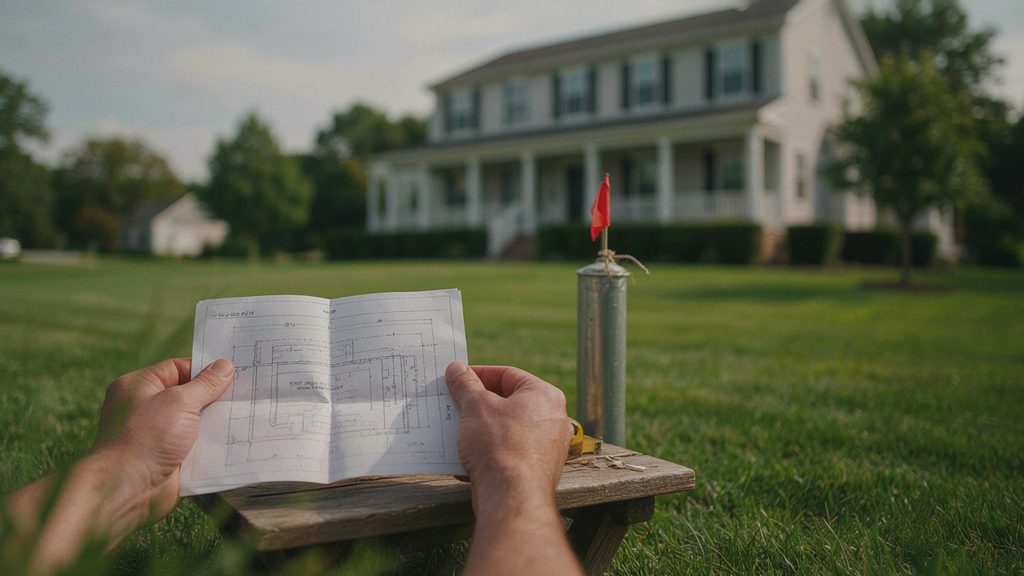
Here’s the uncomfortable truth: surprises are cheapest to fix when you find them early, and most expensive when a buyer finds them for you.
When you discover a boundary problem on your own schedule, you have options. You can talk to a neighbor calmly, adjust a fence, correct a record, or simply be ready to explain it. When a buyer’s side discovers it in the middle of a transaction, you’re on their timeline, and you’re negotiating from a weaker position.
Some of the things that tend to surface at the worst moment:
- A buyer’s survey shows the fence is a few feet inside the neighbor’s land.
- The driveway crosses the property line.
- A shed or extension sits over the boundary.
- The lot is smaller or shaped differently than the listing described.
- A shared wall or boundary feature has unclear ownership.
None of these automatically kills a sale. But each one gives a nervous buyer a reason to ask for a lower price, request repairs or walk away. Even a minor issue can burn weeks while lawyers trade letters.
A simple example
Imagine a seller who has lived in the same house for eighteen years. The back fence has always been “the boundary.” A buyer’s survey shows the real line runs about a meter further in, which means a corner of the seller’s patio sits on the neighbor’s side. The seller had no idea. Now there’s a delay, an awkward conversation and a possible price discussion, all because nobody checked earlier. With a survey done before listing, the same seller could have sorted it out quietly over a few weeks.
Selling is stressful enough without adding a mystery about where your own land ends.

Fences, Driveways and Other Things That Wander Over the Line
Walk around any older neighborhood and you’ll see fences that don’t follow the property lines. Maybe the original owner put it where it looked tidy. Maybe a storm took the old one down and the replacement went up a little to the left. Over twenty or thirty years, nobody thinks about it.
A boundary survey brings all of this to light.
Fences
A fence is the most common thing people use to define their boundary, and the most common thing to get it wrong. A survey will show whether your fence sits on your land, inside your neighbor’s, or leaves a strip of your own property outside it. If the fence is wrong, you can decide how to handle it before a buyer ever asks.
Driveways
Shared or narrow driveways are another frequent trouble spot. Sometimes a driveway has drifted slightly over the line after repaving. Sometimes two neighbors have shared one for years with only a handshake agreement. A survey clarifies who owns what, and whether any formal arrangement exists.
Sheds, garages and extensions
Outbuildings and add-ons deserve a close look, especially if they were built by a previous owner. A shed that’s a few inches over the line might never have bothered anyone, but a buyer’s lawyer will notice. Extensions are more serious, since a structure sitting too close to or over a boundary can raise questions about permits and setbacks. What’s actually required depends on local rules, so it’s best to confirm with your local authority or surveyor.
Trees and hedges
A big tree sitting right on the line can lead to arguments about branches, roots and responsibility. The survey won’t settle the argument, but it tells you whose tree it is in the first place.
Spotting a Boundary Dispute Before a Buyer Does
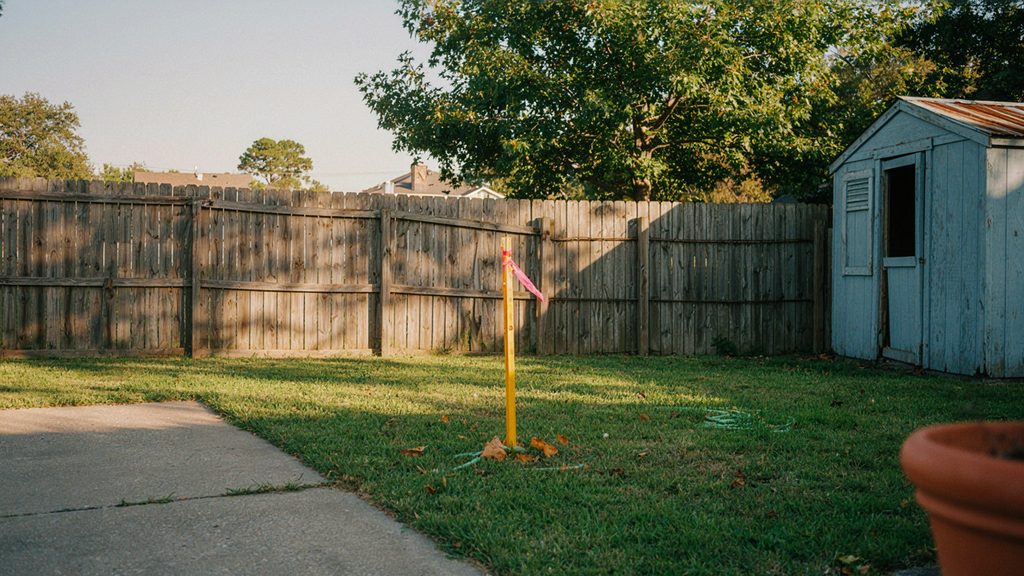
Most boundary disputes don’t begin with a dramatic fight. They start with a small disagreement. Someone’s contractor puts up a wall. A neighbor starts parking on a strip of grass. A hedge gets trimmed a bit too aggressively. Nothing happens for years, and then a sale puts everything under a spotlight.
A survey is useful here in two ways. First, it gives you facts instead of opinions. When two people argue about where the line is, they’re usually both going on memory and assumption. A professional survey replaces that with measurements.
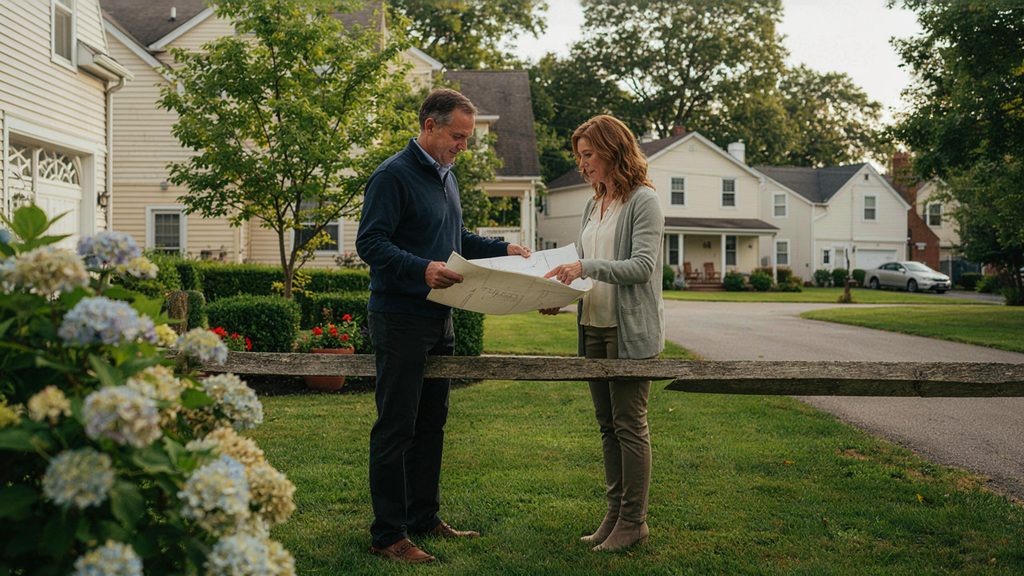
Second, it gives you time. If the results show a problem, you can approach your neighbor in a friendly way, long before a buyer is involved. Many of these conversations end well, especially when they’re not rushed.
A few practical tips if a problem turns up:
- Stay calm and stick to the survey. Show your neighbor the drawing rather than arguing from memory.
- Talk before you write. A friendly conversation tends to go further than a formal letter.
- Get advice where needed. If the issue is complicated, speak to a property lawyer before making promises or changes.
- Put agreements in writing. If you and your neighbor agree on a fix, document it properly so a future buyer can see it was resolved.
- Be honest with buyers. If an issue exists and has been dealt with, say so. Surprises hurt trust far more than disclosed, resolved problems.
Sorting out a disputed boundary can take time, and some issues can’t be solved quickly. That is exactly why finding out before you list matters so much.
Easements and Other Things Hiding in the Paperwork
Boundaries aren’t only about where your land ends. They’re also about who may use parts of it.
An easement is a legal right for someone else to use a portion of your property for a specific purpose. Common examples include utility lines, drainage paths and shared access routes. You might own the land, but you may not be free to build over it or block it.
Some easements are well documented. Others are buried in old records and forgotten until someone digs them up. A good survey, combined with a title search, helps reveal what’s attached to your land. Your surveyor will usually mark any easements they can identify from the records and the site.
This matters in a sale because buyers want to know what they’re getting. A pool that sits over a utility easement, or a planned extension that blocks a right of way, can cause real problems. If you already know what’s on the record, you can answer buyer questions honestly and quickly. That kind of openness tends to build trust.
Setbacks and building lines
Some properties also have setback rules, meaning a minimum distance a building must keep from the boundary. These rules vary from place to place, so don’t assume. If you’ve added a deck, garage or extension, ask your surveyor or local planning office whether it sits comfortably within local requirements.
How a Survey Makes the Whole Transaction Smoother
A lot of sellers think of a survey as an extra cost. In practice, it often works the other way. Here’s how it tends to help.
It builds buyer confidence. A buyer who sees a current survey knows the lot lines have been checked by a professional. That removes one of the big unknowns from their decision.
It speeds up conversations. When a buyer’s lawyer or lender asks a boundary question, you can hand over a document instead of starting a search. Fewer delays, fewer tense phone calls.
It supports your listing. If your property description mentions lot size or frontage, a survey helps make sure those details are accurate. An incorrect listing is a headache nobody wants.
It helps with pricing. Knowing exactly what you own, including any extra strip of land or any limits on use, gives you a clearer picture when you set your asking price.
It reduces last-minute stress. The best sales are the boring ones, where nothing surprising happens. A survey helps move you closer to that.
Of course, a survey doesn’t guarantee a perfect sale. But it removes one of the most common sources of avoidable drama.

What to Expect From the Survey Process
If you’ve never ordered one, the process may sound intimidating. It’s actually fairly straightforward.
Before the visit
The surveyor starts with paperwork. They’ll look at your deed, any earlier surveys and public records. It helps if you can share whatever you have: your closing documents, an old plat, or notes about fences and structures you’ve added. The more they know upfront, the smoother the fieldwork goes.
On the day
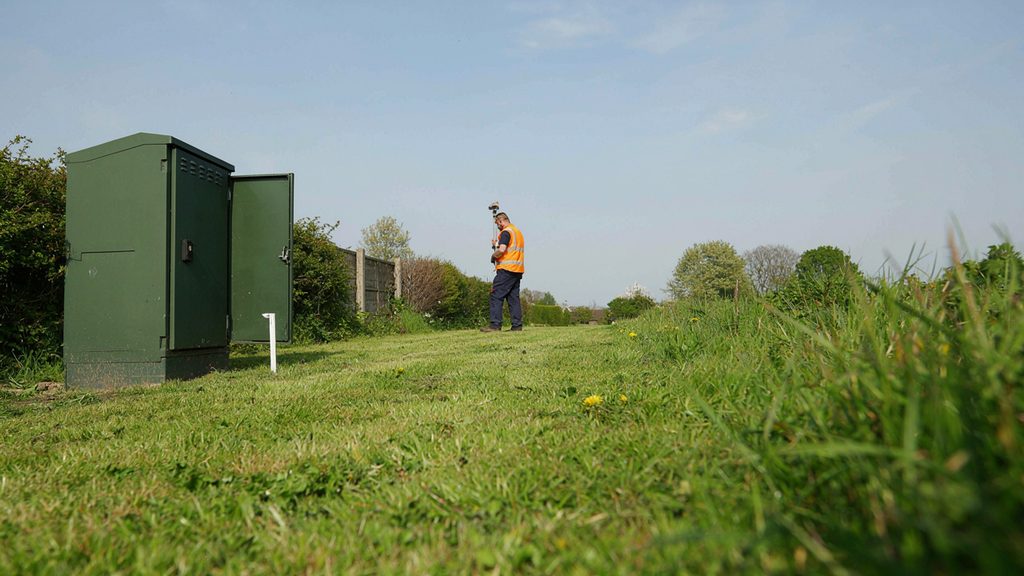
A surveyor or small crew visits your property with measuring equipment. They locate existing boundary markers, take measurements and record the position of buildings, fences, driveways and other features. You don’t usually need to do anything, though it’s worth making sure they can get access to the whole lot, including side and rear areas.
After the visit
The surveyor prepares a drawing and often a written report. It will show the boundary lines, measurements and any features that sit close to or over them. If something looks unusual, they’ll typically point it out and explain it.
Timing varies depending on the size of the lot, the weather and how complete the records are, so don’t leave it until the week before you list. Starting a month or two ahead gives you breathing room to deal with anything the survey uncovers.
Quick checklist for getting ready:
- Gather your deed and any previous surveys.
- Make a note of fences, sheds and additions, and when they were built.
- Make sure the surveyor can reach all sides of the property.
- Tell the surveyor if you’ve ever had a disagreement with a neighbor about the boundary.
- Ask what the final deliverable will include, such as a signed drawing or digital copy.
When choosing someone, look for a licensed professional with real local experience. A firm offering boundary surveying should be able to explain the process clearly and tell you what the report will cover before you book.

Conclusion: Know Your Lines Before You List
A boundary survey isn’t glamorous, but it can protect your sale. It tells you where your property really starts and ends, shows whether fences, driveways or outbuildings cross the line, and highlights easements that could affect a buyer’s plans.
Most importantly, it lets you deal with surprises on your own terms. If you’re planning to sell in the coming months, consider arranging a survey early, speaking with a qualified local surveyor, and sharing the results openly with buyers. A little preparation now can save weeks of stress later.
Frequently Asked Questions
1. Do I really need a boundary survey before selling my house?
It isn’t always required, but it’s often a smart move. A survey helps you confirm your property lines, spot fence or driveway problems, and answer buyer questions with confidence. Requirements vary by location, so check with your agent or lawyer.
2. How long does a boundary survey take?
The fieldwork on an average residential lot is often completed in a few hours, but the whole process, including research and the final drawing, can take longer. Lot size, weather and record availability all play a part, so ask your surveyor for an estimate.
3. What if the survey shows my fence is on my neighbor’s land?
Don’t panic. Start with a calm conversation, using the survey as a reference. Depending on the situation, you may move the fence, agree on a written arrangement or take legal advice. It’s much easier to handle this before listing than during a sale.
4. Can a boundary survey help me avoid a dispute with neighbors?
It can help a lot. A survey replaces assumptions with measurements, so you and your neighbor can discuss facts instead of memories. It won’t prevent every disagreement, but it gives both sides a clear starting point.
5. How is a boundary survey different from a home inspection?
A home inspection looks at the condition of the building, such as the roof, plumbing and electrical systems. A boundary survey looks at the land: where the lot lines are, and what sits on or near them. Many sellers and buyers use both.