
How to Research the Housing Market Before Buying
October 3, 2026
How to Research the Housing Market Before Buying a Property
Buying a property is a major financial decision, so it is important to understand the housing market before making an offer. Property prices can vary significantly between neighborhoods, property types, and even individual streets. Taking time to research the market can help buyers understand local price patterns, compare properties, and make more informed decisions.
This guide explains how to research the housing market before buying and what information you should review before choosing a property.
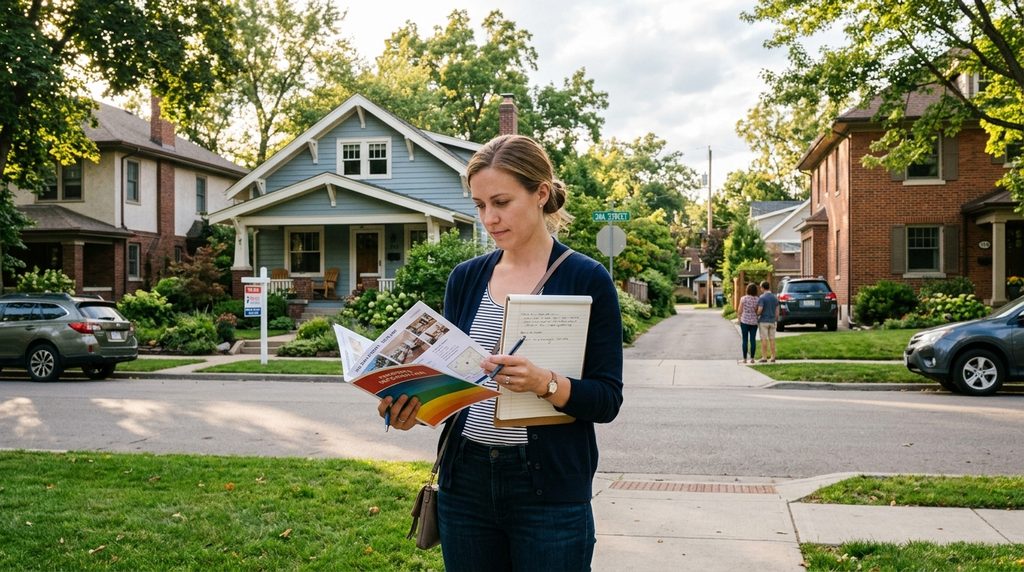
Why Housing Market Research Matters
Housing market research gives buyers a clearer picture of what properties are worth and what they may reasonably expect to pay.
Without proper research, a buyer may:
- Pay more than comparable properties justify
- Miss important neighborhood factors
- Underestimate ownership costs
- Overlook local supply and demand
- Make a decision based only on the appearance of a property
Market research does not guarantee that a property will increase in value. Instead, it helps you understand the factors that may affect its current and future marketability.
1. Start With Your Property Budget
Before researching individual properties, establish a realistic budget.
Consider more than the purchase price. Depending on your location and circumstances, you may also need to account for:
- Down payment
- Mortgage or financing costs
- Property taxes
- Insurance
- Inspection costs
- Legal or professional fees
- Maintenance and repairs
- Utilities
- Moving expenses
- Closing or transaction costs
Knowing your total budget makes it easier to compare properties within a realistic price range.
2. Research Local Property Prices
One of the most important steps in understanding a housing market is comparing recent property prices.
Look at properties that are similar in:
- Location
- Property type
- Size
- Number of bedrooms and bathrooms
- Lot or land size
- Age and condition
- Parking availability
- Major features and amenities
Avoid comparing a newly renovated property with an older property that requires significant repairs without adjusting for those differences.
The goal is to identify a reasonable range rather than relying on the asking price of one property.
3. Compare Similar Properties

Comparable properties, often called “comps,” can help you understand how similar homes are priced.
For example, if you are considering a three-bedroom house, research other three-bedroom houses in the same area with similar characteristics.
Pay attention to:
- Listing prices
- Recent sale prices when available
- How long properties stayed on the market
- Property condition
- Renovations
- Location within the neighborhood
Comparing several properties can reveal whether the property you are considering appears broadly consistent with the local market.
4. Study Supply and Demand
Supply and demand can influence property prices and how quickly homes sell.
A market with many available properties may provide buyers with more choices. A market with fewer suitable properties may have stronger competition among buyers.
Research:
- Number of properties currently listed
- Number of recently sold properties
- New construction
- Rental availability
- Buyer demand
- Average or typical listing periods where reliable local data is available
Remember that market conditions can differ significantly from one neighborhood to another. A national or citywide trend may not accurately describe the specific area where you want to buy.
5. Investigate the Neighborhood
The property itself is only one part of the buying decision.
Research the neighborhood carefully before making an offer.
Consider:
- Schools and educational facilities
- Public transportation
- Roads and accessibility
- Shopping areas
- Parks and recreational facilities
- Healthcare services
- Employment centers
- Noise levels
- Traffic patterns
- Planned developments
- Local amenities
If possible, visit the neighborhood at different times of day. A location that seems quiet during the afternoon may have different traffic or noise conditions during commuting hours.
6. Look at Property Price Trends
Historical property prices can provide useful context.
Review available information about how property values have changed over time in the specific neighborhood.
However, past performance should not be treated as a guarantee of future price growth.
Instead, use historical information to ask questions such as:
- Have prices changed significantly?
- Has the neighborhood experienced major development?
- Are similar properties selling consistently?
- Have market conditions changed?
- Are there factors that could affect future demand?
The objective is to understand the market rather than predict exactly what prices will do next.
7. Check How Long Properties Stay on the Market
Time on market can provide useful context about buyer demand.
If comparable properties frequently sell quickly, there may be strong demand for that type of property or location. If properties remain listed for extended periods, buyers may have more opportunities to negotiate, although there can be many reasons for slower sales.
For example, a property may take longer to sell because of:
- An unrealistic asking price
- Poor condition
- Limited parking
- An unusual layout
- Location issues
- Financing difficulties
- Seasonal market conditions
Never use time on market as the only measure of market strength. Combine it with other local information.
8. Research Rental Market Conditions
If you are considering a property as an investment, research the rental market separately from the sales market.
Look at comparable rental properties and consider:
- Typical rental prices
- Vacancy levels
- Tenant demand
- Property management costs
- Maintenance expenses
- Local rental regulations
- Insurance and taxes
- Financing costs
A property can look attractive based on its purchase price but produce weaker-than-expected cash flow after expenses.
For investment decisions, calculate potential income and expenses carefully rather than relying on estimated rent alone.
9. Check Local Development Plans
Future development can affect a property’s surroundings and potentially its desirability.
Research publicly available information about planned:
- Roads
- Transit projects
- Commercial developments
- Residential developments
- Schools
- Parks
- Infrastructure projects
- Zoning changes
Some developments may improve access and amenities, while others could change traffic, noise, or neighborhood character.
Because development plans can change, verify important information through appropriate local authorities or official sources before relying on it in your decision.
10. Understand the Property’s Condition
Market research should not replace a physical property inspection.
Two houses with similar sizes and locations can have very different values because of their condition.
Pay attention to:
- Roof condition
- Plumbing
- Electrical systems
- Heating and cooling systems
- Windows and doors
- Foundation or structural concerns
- Moisture or water damage
- Insulation
- Kitchen and bathroom condition
- Major recent repairs
A professional inspection can help identify problems that are difficult for an ordinary buyer to spot.
11. Research Taxes, Fees, and Other Costs
The purchase price is not the complete cost of owning a property.
Research the costs that apply in your location, such as:
- Property taxes
- Transfer or registration charges
- Homeowners association fees
- Insurance
- Maintenance
- Utilities
- Financing costs
- Legal and professional fees
These expenses can significantly affect affordability.
For accurate local information, check official government sources and consult qualified professionals where necessary.
12. Use Multiple Sources of Information
Good housing market research should not depend on one website or one property listing.
Use multiple sources, such as:
- Local property listings
- Recent sales information
- Government or municipal records
- Local planning information
- Property professionals
- Independent inspectors
- Mortgage or financing professionals
- Local market reports
Different sources can provide different pieces of information. Comparing them can help you identify inconsistencies and questions that need further investigation.
13. Avoid Making Decisions Based on Asking Prices Alone
An asking price is not necessarily the final market value of a property.
Sellers may price properties based on many factors, including their expectations, financial circumstances, marketing strategy, or previous investment in the property.
Instead of asking only, “What is the asking price?” consider:
“How does this property compare with similar properties that have recently sold or are currently available?”
That question can lead to more useful research.
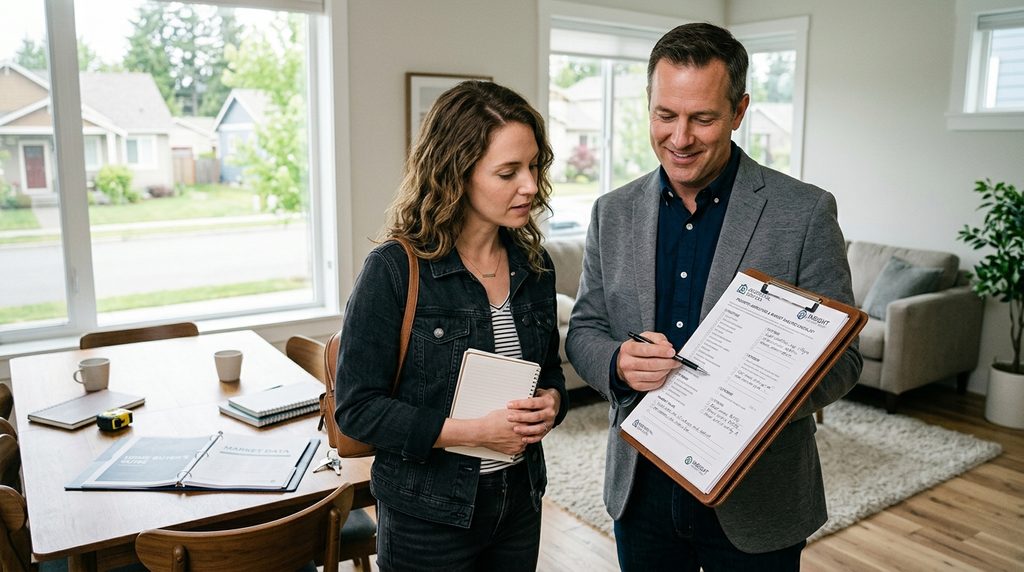
14. Create a Property Comparison Checklist
Once you have researched several properties, create a simple comparison table.
You can compare:
| Factor |
|---|
| Asking price |
| Property size |
| Bedrooms |
| Bathrooms |
| Property condition |
| Location |
| Recent comparable prices |
| Estimated ownership costs |
| Neighborhood amenities |
| Major concerns |
This makes it easier to evaluate properties using the same criteria instead of relying only on first impressions.
15. Know When to Get Professional Advice
Housing market research can provide valuable information, but buyers may still need professional guidance.
Depending on the transaction, you may benefit from advice from:
- A qualified real estate professional
- A licensed property inspector
- A mortgage or financing professional
- A property lawyer or conveyancing professional
- A tax professional
Professional requirements vary by country and jurisdiction, so choose appropriately qualified professionals who understand the local market.
Common Mistakes When Researching the Housing Market
Even careful buyers can make research mistakes.
Relying on One Property Website
Online listings are useful, but they may not provide the complete picture. Cross-check important information.
Looking Only at the Citywide Market
A city can contain many different neighborhoods with different property conditions, prices, and demand levels.
Ignoring Additional Costs
A property that fits your purchase budget may still be unaffordable after taxes, insurance, maintenance, financing, and other expenses.
Assuming Past Growth Will Continue
Historical price increases do not guarantee future appreciation.
Skipping the Inspection
Market research cannot reveal every physical problem with a property.
Making a Decision Too Quickly
A property may look attractive during the first viewing. Give yourself enough time to investigate the property, neighborhood, comparable prices, and potential costs.
A Simple Housing Market Research Process
If you want a straightforward process, follow these steps:
- Step 1: Set your total property budget.
- Step 2: Choose the neighborhoods that meet your requirements.
- Step 3: Research comparable properties.
- Step 4: Review recent sales information where available.
- Step 5: Study supply, demand, and listing activity.
- Step 6: Investigate neighborhood facilities and development plans.
- Step 7: Estimate taxes, financing, maintenance, and other ownership costs.
- Step 8: Inspect the property carefully.
- Step 9: Compare multiple properties using the same checklist.
- Step 10: Get professional advice before completing a major transaction when appropriate.
Final Thoughts
Learning how to research the housing market before buying can help you approach a property purchase with better information and realistic expectations. Research local prices, comparable properties, neighborhood conditions, supply and demand, ownership costs, and the property’s physical condition before making a decision.
Most importantly, avoid basing your decision on a single number or one online listing. A well-researched purchase considers the property, the neighborhood, the total cost of ownership, and the buyer’s own financial circumstances.
Frequently Asked Questions
What is the best way to research the housing market before buying?
Start by researching comparable properties, recent sales information, local supply and demand, neighborhood conditions, property taxes, ownership costs, and planned developments. Comparing multiple reliable sources can provide a more complete picture.
How do I know if a house is fairly priced?
Compare the property with similar homes in the same area, considering size, condition, location, features, and recent sale prices where available. A qualified local professional can also provide market-specific guidance.
Should I research the neighborhood before buying a house?
Yes. Research schools, transportation, amenities, traffic, noise, development plans, and other factors that could affect your experience of living in the area.
Do property prices always increase over time?
No. Property values can rise, fall, or remain relatively stable depending on economic conditions, local supply and demand, interest rates, employment conditions, neighborhood changes, and other factors.
Why are comparable properties important?
Comparable properties help you understand how similar homes are priced in the same market. They can provide useful context when evaluating whether an asking price is consistent with other properties.
Should I get a home inspection before buying?
A professional inspection can help identify physical defects or maintenance issues that may not be obvious during a normal viewing. The inspection requirements and process vary by location.
How can I research a property investment?
For an investment property, research both the sales market and rental market. Review purchase costs, expected rental income, vacancy assumptions, taxes, insurance, maintenance, financing, management costs, and applicable regulations.
What should I check besides the property price?
Consider financing costs, taxes, insurance, maintenance, utilities, legal or transaction fees, association fees where applicable, and other recurring or one-time expenses.